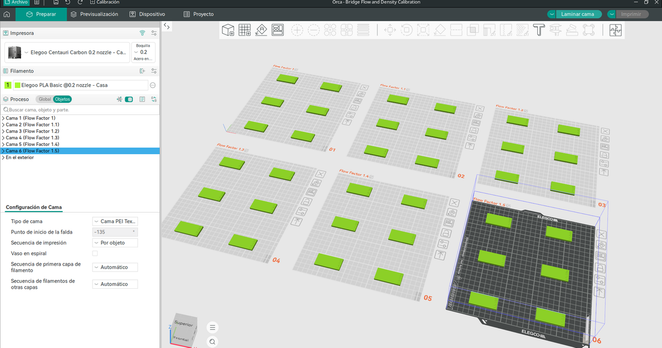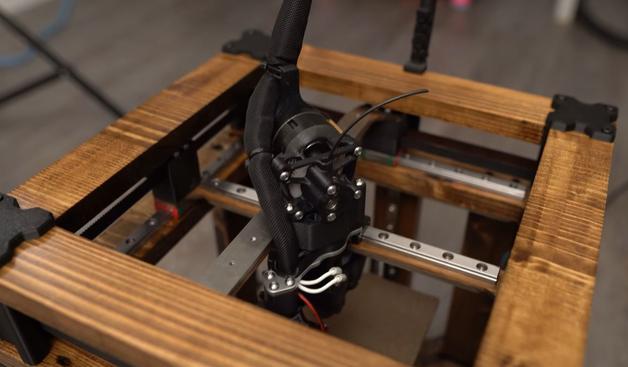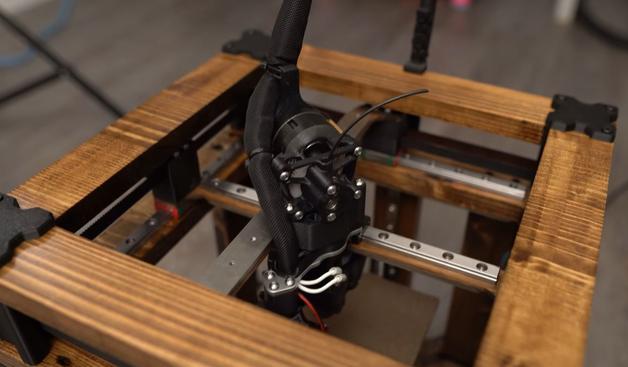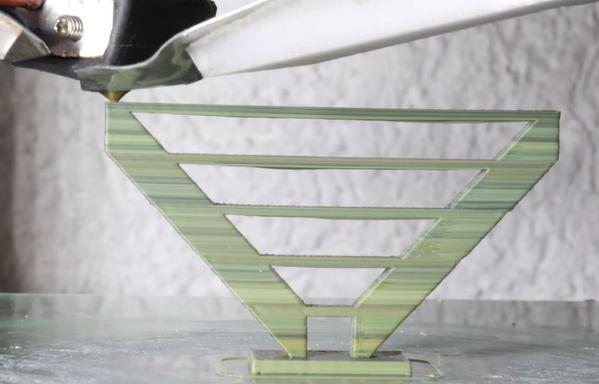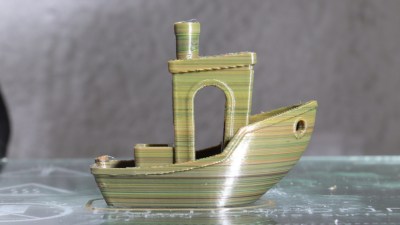
Me ha salido un print que madremia, fino fino. Y sin soportes ni nada. 😎
The Market Explosion: Numbers Don’t Lie – 3D Printing’s Industrial vs Desktop Boom in 2026 and Beyond
916 words, 5 minutes read time.
The 3D printing market is exploding right now, hitting around $24-30 billion in 2025 estimates, with 2026 projections climbing to $28-38 billion across major reports. Growth rates lock in at 17-24% CAGR from 2026 onward, some forecasts pushing 23%+ through the 2030s. Industrial segments dominate revenue—often 60-65% share—thanks to heavy-duty metal and polymer systems cranking out certified end-use parts for aerospace, automotive, and healthcare. Desktop setups, meanwhile, surge in accessibility and unit adoption, frequently at 15-23% CAGRs, putting real power on workbenches for prototyping, custom runs, and garage innovators like you.
This split isn’t random—it’s the market telling us where the money and momentum live. Industrial rigs handle the no-fail jobs: massive build volumes, high-strength alloys, and precision that lets planes fly lighter or implants fit perfectly. Desktop machines? They’re the fast, affordable entry point turning ideas into hands-on reality overnight.
Current 3D Printing Market Size and Key Drivers in 2025-2026
Right now, the overall 3D printing market clocks in at roughly $24-30 billion based on 2025 figures from leading analysts. Projections for 2026 push it toward $28-38 billion, fueled by supply-chain toughness, faster print tech, and exploding demand for customized, low-volume production. Aerospace slashes part weight and lead times, automotive prints on-demand spares without tooling headaches, and medical pros deliver patient-specific gear that traditional methods can’t match. It’s like your old mill finally getting a digital upgrade—quicker, smarter, and way less waste.
Explosive Growth Rates and Long-Term Forecasts Beyond 2026
Expect sustained double-digit growth from 2026 forward, with CAGRs ranging 17-24% depending on the slice. Some outlooks see the market ballooning to $130-170 billion by the early 2030s. Drivers include better materials (tougher filaments, advanced resins, metals), hybrid workflows blending desktop speed with industrial scale, and industries ditching traditional manufacturing limits. The math is brutal: additive isn’t a side gig anymore—it’s becoming default for complex, high-value runs.
Why Industrial 3D Printing Dominates Revenue Share
Industrial 3D printing owns the big dollars, grabbing 60-65% or more of market revenue in recent breakdowns. These beasts—powder bed fusion, large-format polymers—deliver certified parts where one failure costs a fortune. Think aerospace consolidating assemblies into single prints for massive weight savings, or automotive running production-grade components straight off the plate. High-precision, repeatability, and material performance make industrial the go-to for end-use in defense, energy, and heavy industry. It’s the diesel engine of the shop: reliable, powerful, built for the long haul where excuses aren’t tolerated.
Desktop 3D Printing: The Fastest-Growing Accessibility Revolution
Desktop isn’t sleeping—it’s the segment exploding in reach and units, often outpacing overall growth with CAGRs around 15-23%. Affordable FDM, resin, and SLA machines from trusted brands fit right on your bench, letting you iterate overnight, print custom jigs, or run small batches without shop delays. Education, SMEs, maker spaces, and hobby-to-hustle guys drive this: entry-level rigs under a few hundred bucks now pack auto-leveling, fast speeds, and killer software. It’s democratizing the game—turning “what if” sketches into functional parts in hours, not weeks.
How Industrial and Desktop Segments Compare and Complement Each Other
Industrial leads revenue because big players need bulletproof production—no room for trial-and-error on flight-critical or body-implant parts. Desktop wins on speed and accessibility, fueling grassroots innovation and rapid prototyping that feeds into bigger workflows. Picture it like this: industrial is your heavy-duty impact wrench that never strips, while desktop is the quick-release ratchet set letting you tweak on the fly. Together, they create hybrid setups where you prototype fast on desktop, then scale to industrial muscle. From 2026 on, expect tighter integration—better materials crossing segments, smarter software bridging gaps, and supply chains leaning harder on additive for resilience.
This boom means real opportunity staring you down. Whether you’re dialing in settings in the garage or pushing production in the shop, the tech’s hitting prime time. Master the workflows, chase material upgrades, and blend desktop agility with industrial power—because the market won’t wait.
In the end, 3D printing’s on a freight-train run: industrial hauling the heavy loads for revenue dominance, desktop igniting the revolution from the ground up. Let’s keep making.
Call to Action
If this post sparked your creativity, don’t just scroll past. Join the community of makers and tinkerers—people turning ideas into reality with 3D printing. Subscribe for more 3D printing guides and projects, drop a comment sharing what you’re printing, or reach out and tell me about your latest project. Let’s build together.
D. Bryan King
Sources
Disclaimer:
The views and opinions expressed in this post are solely those of the author. The information provided is based on personal research, experience, and understanding of the subject matter at the time of writing. Readers should consult relevant experts or authorities for specific guidance related to their unique situations.
#3DPrinterMarketForecast #3DPrinting2030sForecast #3DPrintingAdoption #3DPrintingAerospace #3DPrintingAutomotive #3DPrintingCAGR #3DPrintingDoubleDigitGrowth #3DPrintingEndUseParts #3DPrintingEnthusiastGuide #3DPrintingEnthusiasts #3DPrintingForecast2026 #3DPrintingFutureTrends #3DPrintingGarageBuilds #3DPrintingGrowth2026 #3DPrintingHealthcare #3DPrintingHybridWorkflows #3DPrintingIndustrialDominance #3DPrintingIndustryTrends #3DPrintingInnovation #3DPrintingMarket #3DPrintingMarket2030 #3DPrintingMarketAnalysis #3DPrintingMarketDrivers #3DPrintingMarketExplosion #3DPrintingMarketReport #3DPrintingMarketSegments #3DPrintingMarketSize #3DPrintingMaterials #3DPrintingPowderBedFusion #3DPrintingProjections #3DPrintingPrototyping #3DPrintingRevenueBreakdown #3DPrintingShopUpgrades #3DPrintingSMEs #3DPrintingStatistics #3DPrintingSupplyChain #additiveManufacturingIndustrial #additiveManufacturingMarket #additiveManufacturingTrends #affordable3DPrinters #certified3DPrinting #custom3DPrinting #desktop3DPrinterGrowth #desktop3DPrinting #desktop3DPrintingCAGR #desktopAccessibilityRevolution #FDM3DPrinting #FDMMarketGrowth #global3DPrintingMarket #industrial3DPrinterRevenue #industrial3DPrinting #industrialVsDesktop3DPrinting #largeFormat3DPrinting #makerSpace3DPrinting #metal3DPrintingMarket #resin3dPrinting #SLA3DPrintingMarket3D hubs no longer exists so I thought it would be nice to have a user-friendly alternative for requesting prints and offering to print for others. Because I seem to be a software engineer I built one myself:
Totally free and with all Bambu printers and most Bambu materials preloaded!