Manitoba asks Sobeys to scrap property restrictions near its stores or it'll go to municipal board
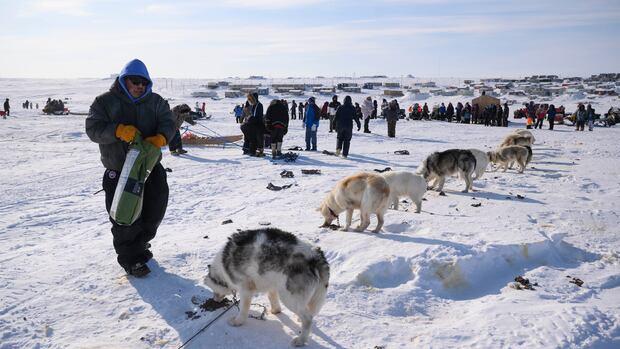
Manitoba is down to one grocery giant still using property restrictions to keep potential competitors away from its stores after the province curbed the practice through legislation it passed last year.
https://www.cbc.ca/news/canada/manitoba/sobeys-manitoba-property-controls-9.7125151?cmp=rss
Manitoba asks Sobeys to scrap property restrictions near its stores or it'll go to municipal board
Manitoba is down to one grocery giant still using property restrictions to keep potential competitors away from its stores after the province curbed the practice through legislation it passed last year.
https://www.cbc.ca/news/canada/manitoba/sobeys-manitoba-property-controls-9.7125151?cmp=rss

The real reason why Jeff Bezos killed the Washington Post. – Slate

The Media

Jeff Bezos Killed the Washington Post

The billionaire wanted the Post to die, because a vigorous, well-resourced newspaper does not help his bottom line.

By Alex Kirshner, Feb 05, 202611:07 AM

Photo illustration by Slate. Photos by Arnold Jerocki / FilmMagic and Andrew Harnik /Getty Images.

Copy Link Share Comment

Sign up for the Slatest to get the most insightful analysis, criticism, and advice out there, delivered to your inbox daily.

Jeff Bezos killed the Washington Post on Wednesday. The paper survives as a husk, but the institution that became one of the cathedrals of world journalism is gone. The biggest mistake one could make in analyzing this corporate slaughter is to lay the blame solely on the state of journalism. That’d be wrong.

Times are hard in journalism, just like they always are. The big new problem is A.I. swallowing up search traffic, which itself had already sucked up the ad revenue that used to go to newspapers and magazines. Otherwise, all of the things that have been hard for the past 20 years are still hard now. Powerful corporate interests have captured great newsrooms, or run their own old family businesses into the ground. Fox News, social media, and podcasts—in that chronological order—have cocooned a lot of people to want only “news” that isn’t really news. Megyn Kelly is now a red-meat podcaster instead of an occasionally punchy Fox host.

The Post laid off 300 journalists on Wednesday. This included more or less the entire remaining staff of the paper’s legendary sports section, which produced several of the best writers to ever do the job. The days of the superstar columnist with the biggest megaphone in town were long gone, but the section remained tremendous. The paper slashed its international coverage, laying off a journalist who found out as she reported from Kyiv. Many editors across desks lost their jobs. Worst of all, not that it’s a contest, but the Washington Post will now be a lot less Washingtonian. The paper has fired at least a substantial chunk of its metro reporters, who serviced a city and region that have been under a multifront attack from the Trump administration.

In a stiff email, Post executive editor Matt Murray tried to make this move sound like yet another example of a tough business forcing tough decisions. “The ecosystem of news and information, on- and off-platform, is changing radically,” Murray wrote to his staffers, fired and not. He lamented the “serious decline” of search traffic. He wrote of increased competition from other people, other platforms.

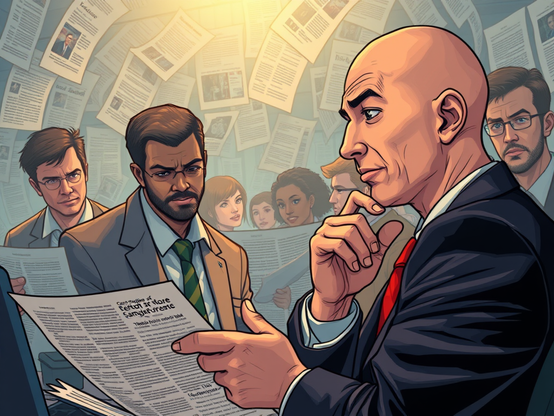
AI image…

He did not write about one specific person: Bezos, who bought the paper from the Graham family in 2013 for $250 million. (Note: Slate is owned by Graham Holdings, the company controlled by the Graham family.)

That is because Murray values his paycheck and didn’t want to point out the Post’s real cause of death—namely, that one of the richest people in human history staged a controlled burn to turn it into ash. Bezos wanted the Post to die, because a vigorous, well-resourced Washington Post does not suit his vision for the world or his own bottom line. The end of the Post is a matter not of journalistic economics but of Bezos’ incentives.

Whatever the Post is worth today is immaterial to Bezos’ wealth. It’s barely even what you’d call a rounding error. Bezos could sustain the Post’s operating losses for hundreds of lifetimes without even threatening his current wealth, let alone the additional wealth he and his heirs will amass passively in years to come from his stakes in Amazon, Blue Origin, and who knows what else.

A man worth more than $240 billion does not care even a little bit, in pure dollar terms, about a $100 million annual loss running a prestige business. When Bezos bought the paper, he made clear to the Post’s prior management that he viewed the paper not purely through a profit lens, the New York Times reported. Bezos wrote to Post employees, “The paper’s duty will remain to its readers and not to the private interests of its owners.” That turned out to be, at best, incredibly misleading.

The Post itself doesn’t affect Bezos’ vast fortune much, but what it represents does. One of the employees he laid off on Wednesday was the paper’s Amazon reporter, Caroline O’Donovan. More critically, even under Bezos’ ownership, the Post frequently published stories that upset the Trump administration, whose vindictive approach to regulation could pose obvious problems for Amazon and Bezos’ space company, Blue Origin.

Related From Slate

Mary ZieglerHow Trump Used a Law Meant to Protect Abortion Seekers to Arrest Members of the Press Read More

Bezos understood this risk more than a year ago, when he drove away 250,000 paying subscribers by stepping in to prevent the paper from endorsing Kamala Harris. Bezos then transformed the Post’s opinion section, away from a broad-based page and into a propaganda arm devoted to promoting “personal liberties and free markets.”

The paper’s executives and owner punted away from aggressively covering Trump’s second term, bleeding both subscribers and a general share of viral stories that instead went to competitors like the Times and Wall Street Journal. There was money to be made by investing in the paper’s reporting staff, who never stopped doing their best to provide honest (and necessarily adversarial) coverage of Trump. Bezos just didn’t want that money.

Editor’s Note: Read the rest of the story, at the below link.

Continue/Read Original Article Here: The real reason why Jeff Bezos killed the Washington Post.

#AI #Competitors #JeffBezos #Journalism #KatherineGraham #Killed #MattMurray #NewspapersChanging #RealReason #Slate #SocialMedia

The real reason why Jeff Bezos killed the Washington Post. – Slate

The Media

Jeff Bezos Killed the Washington Post

The billionaire wanted the Post to die, because a vigorous, well-resourced newspaper does not help his bottom line.

By Alex Kirshner, Feb 05, 202611:07 AM

Photo illustration by Slate. Photos by Arnold Jerocki / FilmMagic and Andrew Harnik /Getty Images.

Copy Link Share Comment

Sign up for the Slatest to get the most insightful analysis, criticism, and advice out there, delivered to your inbox daily.

Jeff Bezos killed the Washington Post on Wednesday. The paper survives as a husk, but the institution that became one of the cathedrals of world journalism is gone. The biggest mistake one could make in analyzing this corporate slaughter is to lay the blame solely on the state of journalism. That’d be wrong.

Times are hard in journalism, just like they always are. The big new problem is A.I. swallowing up search traffic, which itself had already sucked up the ad revenue that used to go to newspapers and magazines. Otherwise, all of the things that have been hard for the past 20 years are still hard now. Powerful corporate interests have captured great newsrooms, or run their own old family businesses into the ground. Fox News, social media, and podcasts—in that chronological order—have cocooned a lot of people to want only “news” that isn’t really news. Megyn Kelly is now a red-meat podcaster instead of an occasionally punchy Fox host.

The Post laid off 300 journalists on Wednesday. This included more or less the entire remaining staff of the paper’s legendary sports section, which produced several of the best writers to ever do the job. The days of the superstar columnist with the biggest megaphone in town were long gone, but the section remained tremendous. The paper slashed its international coverage, laying off a journalist who found out as she reported from Kyiv. Many editors across desks lost their jobs. Worst of all, not that it’s a contest, but the Washington Post will now be a lot less Washingtonian. The paper has fired at least a substantial chunk of its metro reporters, who serviced a city and region that have been under a multifront attack from the Trump administration.

In a stiff email, Post executive editor Matt Murray tried to make this move sound like yet another example of a tough business forcing tough decisions. “The ecosystem of news and information, on- and off-platform, is changing radically,” Murray wrote to his staffers, fired and not. He lamented the “serious decline” of search traffic. He wrote of increased competition from other people, other platforms.

AI image…

He did not write about one specific person: Bezos, who bought the paper from the Graham family in 2013 for $250 million. (Note: Slate is owned by Graham Holdings, the company controlled by the Graham family.)

That is because Murray values his paycheck and didn’t want to point out the Post’s real cause of death—namely, that one of the richest people in human history staged a controlled burn to turn it into ash. Bezos wanted the Post to die, because a vigorous, well-resourced Washington Post does not suit his vision for the world or his own bottom line. The end of the Post is a matter not of journalistic economics but of Bezos’ incentives.

Whatever the Post is worth today is immaterial to Bezos’ wealth. It’s barely even what you’d call a rounding error. Bezos could sustain the Post’s operating losses for hundreds of lifetimes without even threatening his current wealth, let alone the additional wealth he and his heirs will amass passively in years to come from his stakes in Amazon, Blue Origin, and who knows what else.

A man worth more than $240 billion does not care even a little bit, in pure dollar terms, about a $100 million annual loss running a prestige business. When Bezos bought the paper, he made clear to the Post’s prior management that he viewed the paper not purely through a profit lens, the New York Times reported. Bezos wrote to Post employees, “The paper’s duty will remain to its readers and not to the private interests of its owners.” That turned out to be, at best, incredibly misleading.

The Post itself doesn’t affect Bezos’ vast fortune much, but what it represents does. One of the employees he laid off on Wednesday was the paper’s Amazon reporter, Caroline O’Donovan. More critically, even under Bezos’ ownership, the Post frequently published stories that upset the Trump administration, whose vindictive approach to regulation could pose obvious problems for Amazon and Bezos’ space company, Blue Origin.

Related From Slate

Mary ZieglerHow Trump Used a Law Meant to Protect Abortion Seekers to Arrest Members of the Press Read More

Bezos understood this risk more than a year ago, when he drove away 250,000 paying subscribers by stepping in to prevent the paper from endorsing Kamala Harris. Bezos then transformed the Post’s opinion section, away from a broad-based page and into a propaganda arm devoted to promoting “personal liberties and free markets.”

The paper’s executives and owner punted away from aggressively covering Trump’s second term, bleeding both subscribers and a general share of viral stories that instead went to competitors like the Times and Wall Street Journal. There was money to be made by investing in the paper’s reporting staff, who never stopped doing their best to provide honest (and necessarily adversarial) coverage of Trump. Bezos just didn’t want that money.

Editor’s Note: Read the rest of the story, at the below link.

Continue/Read Original Article Here: The real reason why Jeff Bezos killed the Washington Post.

Tags: AI, Competitors, Jeff Bezos, Journalism, Katherine Graham, Killed, Matt Murray, Newspapers Changing, Real Reason, Slate, Social Media
#AI #Competitors #JeffBezos #Journalism #KatherineGraham #Killed #MattMurray #NewspapersChanging #RealReason #Slate #SocialMedia

Khách hàng im lặng có thể là đối thủ cạnh tranh!

Nhiều nhà sáng lập SaaS nhận thấy nhóm người dùng đăng ký nhưng không bao giờ phản hồi, dù đã khảo sát hay gửi email trực tiếp, thường rời đi sau khi hết dùng thử.

Thực tế, một số trong đó là đối thủ đang "nằm vùng" để nghiên cứu sản phẩm. Ngược lại, khách hàng thực sự gặp vấn đề thường sẵn sàng góp ý để sản phẩm hoàn thiện hơn.

#SaaS #Startup #KinhDoanh #Competitors #Feedback #Entrepreneur #KhoiNghiep #KinhNghiem

https://www.reddit.com/r/Saa

All 17 ‘Survivor’ Contestants Who Have Died Since Competing on the CBS Show – People

Kim Johnson. Credit: CBS

Remembering the 17 Survivor Contestants Who Have Died Since Competing on the Show

Seventeen former contestants have died since appearing on the CBS show, which premiered in May 2000, By Brendan Le

By Brendan Le, Brendan Le is a Writer-Reporter at PEOPLE with four years of experience working as an editor and writer.

People Editorial Guidelines

Published on December 17, 2025 07:00PM EST

Leave a Comment

Rudy Boesch, Cliff Robinson and Jane Bright. Credit : Monty Brinton/CBS Photo Archive via Getty (3)

The Survivor community has mourned the loss of 17 alumni over the years.

The CBS series, which premiered in May 2000, has seen 751 participants throughout its 49 seasons, and it has cultivated a close-knit community among viewers and contestants — which makes every loss hit closer to home.

Seventeen former players have died since competing on the show, with tributes pouring in from their fans, loved ones and fellow alumni. Ahead, look back at their lives and time on the reality competition show.

Jane Bright

Jane Bright. Monty Brinton / CBS via Getty

Survivor: Nicaragua contestant Jane Bright, who placed sixth in the 21st season and won the Spirit Fan Favorite audience prize, died at age 71 in her North Carolina home. Her daughter, Ashley Hammett, announced her mother’s death in a Facebook post on May 15, 2025.

“What stood out to me about Jane is that she didn’t let age be a barrier to adventure,” wrote host Jeff Probst in his tribute on the show’s official Instagram. “She dove headfirst into Survivor with grit and heart. Jane embodied the spirit of Survivor and leaves a legacy that I hope will continue to inspire others to apply for the adventure of a lifetime.”

Kim Johnson

Kim Johnson. Credit: CBS

Survivor: Africa runner-up Kim Johnson died at age 79, her daughter Kerry Johnson Tichi shared in a statement to PEOPLE on July 29, 2024.

“Our mom leaves a legacy of strength, resilience, kindness and generosity. She wore her rose colorized glasses right up until the end,” Johnson Tichi said. “She was the coolest mom and grandmother in the world. We will miss her forever…”

Her castmate, winner Ethan Zohn, wrote in an emotional Instagram post: “It was a blessing to call you my friend and a privilege to experience the final tribal council with you.”

Probst called Johnson a “pioneer” in his tribute to her.

He added, “I remember even then at just 56, how inspiring she was to other ‘older’ people because she showed that age was merely a number and that if you were willing to risk failing you might just amaze yourself.”

Editor’s Note: Read the rest of the story, at the below link.

Continue/Read Original Article Here: All 17 ‘Survivor’ Contestants Who Have Died Since Competing on the CBS Show

#17Contestants #Competitors #Contestants #Deaths #JeffProbst #Memories #PEOPLE #PeopleMagazine #Survivor #Winners
The prospect of rival rail operators gaining equitable access to the Deutsche Bahn's (DB) widely-used "DB Navigator" app appears to be receding, despite a clear... https://news.osna.fm/?p=24013 | #news #access #app #bahn #competitors
Deutsche Bahn Stalls Competitors' Access to Key Rail App - Osna.FM

Deutsche Bahn restricts competitors' access to its Navigator app, delaying rival access and impacting travel app options.

Osna.FM

Mortgage rates: TSB introduces 4.39% one-year fixed rate, putting bank ahead of competitors

“As a community-owned bank, we’re here to support Kiwi, and this is one of the ways we’re showing…
#NewsBeep #News #Headlines #439 #advertised #ahead #bank #competitors #fixed #introduced #introduces #lowest #market #mortgage #NewZealand #NZ #of #oneyear #putting #rate #rates #tsb
https://www.newsbeep.com/214657/