Divya Tripathi
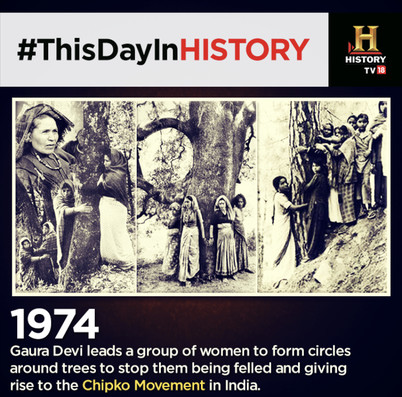
In 1973, villagers in a Himalayan village made history by hugging trees to stop logging.
The Chipko Movement showed the power of peaceful, community-led action- led largely by women and rooted in respect for nature.
From Uttarakhand to global environmental thought, Chipko reminds us that ordinary people can protect the planet and shape policy.
Read more:
https://unite4india.com/environment/the-chipko-legacy-how-indias-grassroots-environmental-movements-inspire-the-world/
#ChipkoMovement #EnvironmentalJustice
#CommunityPower #ForestConservation #SustainableFuture #ProtectOurForests
The Chipko Movement showed the power of peaceful, community-led action- led largely by women and rooted in respect for nature.
From Uttarakhand to global environmental thought, Chipko reminds us that ordinary people can protect the planet and shape policy.
Read more:
https://unite4india.com/environment/the-chipko-legacy-how-indias-grassroots-environmental-movements-inspire-the-world/
#ChipkoMovement #EnvironmentalJustice
#CommunityPower #ForestConservation #SustainableFuture #ProtectOurForests

 bsmall2
 Pahadi Tribal ⛰