 PUB-X
PUB-Xhttps://www.pub-x.com/831878/ 【FXライブ】結局、円安ゥ円安うううう!! #CFD #f(x) #jin115 #KPopBoys #KPopIdols #オレ的ゲーム速報 #ジン #ジン(JIN) #ドル円 #含み損 #投資 #株 #株価指数 #為替


#FluidX3D #CFD v3.7 brings faster Q-criterion isosurface rendering with #OpenCL local memory optimization! 🖖🤠
https://github.com/ProjectPhysX/FluidX3D/releases/tag/v3.7
Instead of 32 velocities for each #GPU thread, now an 8x8x8 workgroup loads & reuses 11x11x11 velocities in L1$, a 12x VRAM BW reduction.
Fascinating insight: Which thread loads which cell from VRAM to L1$, and which thread renders which grid cell within the workgroup, can be very different!
https://github.com/ProjectPhysX/FluidX3D/blob/master/src/kernel.cpp#L2827-L2956
PS: plugged X-wing Gif in #GitHub preview 🖖😜
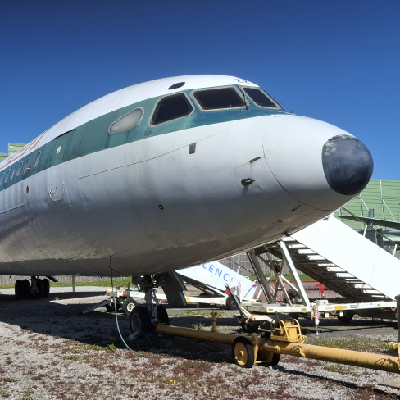
Tails Tuesday 3 12th May 2026.
G-ARPH, Hawker-Siddeley HS121 Trident 1C, in British Airways colours, on display outside RAF Museum, Cosford, 5th February 1996.
Sadly, this was broken up in 2006.
#Cosford #CFD #EGWC #RAFMuseum #Museum #HawkerSiddeley #HS121 #Trident #BritishAirways #TailsTuesday
#AvGeek #aviation #planespotting #photography
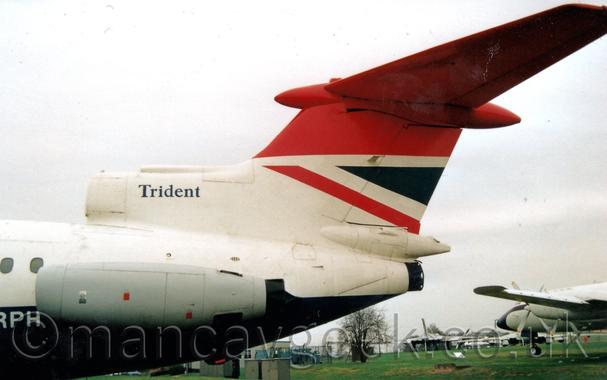
Photo of the Day 12th May 2026.
[…]https://mancavgeek.co.uk/2026/05/12/photo-of-the-day-12th-may-2026/
#Google Cloud Fraud Defence is just #WEI repackaged
https://privatecaptcha.com/blog/google-cloud-fraud-defence-wei/
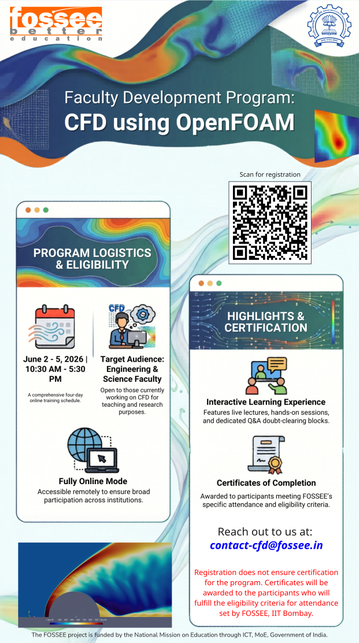
📣 Faculty members working in CFD and simulation are invited to join the Faculty Development Program on CFD using OpenFOAM by FOSSEE, IIT Bombay.
🗓 2–5 June 2026
💻 Online Mode
Learn OpenFOAM from basic to intermediate level with interactive sessions and receive a certificate upon fulfilling attendance criteria.
🔗 Register: https://shorturl.at/CYUzi
#CFD #OpenFOAM #FDP #FOSSEE #IITBombay #OpenSource #EngineeringEducation #Simulation #ComputationalFluidDynamics
Beginner mistake: choosing a broker based on bonuses or hype.
Better approach:
– Check regulation
– Compare spreads
– Test the platform
– Look at withdrawal speed
Simple, but most skip it.
#TradingTips #ForexBeginners #InvestingUK #BrokerChoice #CFD
Formuła 1 hakuje własne przepisy. Sztuczna inteligencja zastępuje drogie tunele aerodynamiczne
W królowej motorsportu o ułamkach sekund i mistrzowskich tytułach decyduje aerodynamika. Ale z nią jest pewien problem. I tu wchodzi AI.
Od lat inżynierowie wydają miliony na testy w tunelach aerodynamicznych i potężne symulacje komputerowe, ale federacje wyścigowe ograniczają im na to czas. Zespoły znalazły jednak pewną „lukę” w przepisach – do gry wkroczyła sztuczna inteligencja, która wykonuje tytaniczną pracę w kilka sekund.
Sekundy zamiast tysięcy godzin obliczeń
Symulacyjna mechanika płynów (CFD) to obecnie fundament projektowania współczesnych bolidów wyścigowych. Tradycyjne wyliczenie tego, jak powietrze opływa samochód (np. przy różnych kątach nachylenia), potrafi jednak zająć dziesiątki tysięcy godzin pracy najpotężniejszych procesorów. Koncern IBM we współpracy z firmą Dallara (tworzącą podwozia m.in. dla serii IndyCar i prototypów do wyścigu Le Mans) udowodnił właśnie, że ten żmudny proces można znacznie skrócić.
Opracowany przez nich model sztucznej inteligencji potrafi przeanalizować skomplikowane zjawiska aerodynamiczne w zaledwie kilka sekund na zwykłym procesorze. Narzędzie błyskawicznie weryfikuje m.in. to, jak powietrze z wirujących kół wpływa na docisk podłogi auta, zachowując przy tym margines błędu porównywalny z klasycznymi, potwornie drogimi i długotrwałymi symulacjami CFD.
W pełni legalne „oszukiwanie” regulaminu
W świecie Formuły 1 wdrożenie AI to już nie tylko ciekawostka naukowa, ale kwestia przetrwania. Regulaminy ograniczają zespołom czas na realne testy na torze, w tunelu aerodynamicznym oraz narzucają sztywne limity na wykorzystanie mocy obliczeniowej do klasycznych symulacji (im wyższe miejsce w tabeli zajmuje zespół, tym mniej czasu na testy dostaje w kolejnym sezonie).
Jak tłumaczy Pierre Baqué, szef współpracującego z zespołami F1 startupu Neural Concept, uczenie maszynowe pozwala w pełni legalnie wycisnąć maksimum z tych ograniczeń. Zamiast tracić czas i budżet na tysiąc dozwolonych przez limit symulacji, inżynierowie karmią bazowymi danymi model AI, który błyskawicznie „wypluwa” dla nich milion gotowych wariantów i punktów odniesienia.
Choć dzisiejsza sztuczna inteligencja nie jest jeszcze w stanie wymyślić mistrzowskiego bolidu od zera, pozwala inżynierom na błyskawiczne sprawdzanie tysięcy drobnych poprawek. Z perspektywy zwykłego kierowcy to doskonała wiadomość – technologie, które dziś wygrywają wyścigi na torach, za dekadę stają się standardem w autach cywilnych. Tańsze i szybsze projektowanie świetnej aerodynamiki z pomocą AI przełoży się w niedalekiej przyszłości na jeszcze oszczędniejsze samochody i znacznie większe zasięgi elektryków.
Widzę jednak pewną lukę w tym działaniu. Modele AI nie są nieomylne — działają w ramach danych, na których zostały wytrenowane, i wymagają weryfikacji przez klasyczne metody. Ponadto choć sama praca wytrenowanej sztucznej inteligencji jest zauważalnie szybsza od klasycznych symulacji dynamiki płynów, to ten czasowy zysk całkowicie pomija kwestię trenowania AI. A trening trwa najczęściej znacznie dłużej i jest znacznie bardziej obciążający obliczeniowo niż samo wnioskowanie „wyhodowanego” do konkretnego zadania algorytmu.
Aplikacja Apple Sports z pogodą dla F1 i nowymi widżetami na iPhone i CarPlay
#aerodynamika #CFD #Dallara #F1 #Formuła1 #IBM #NeuralConcept #sztucznaInteligencja #technologieWMotorsporcie #tunelAerodynamiczny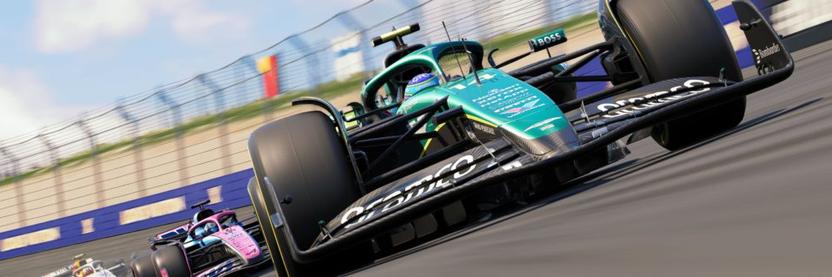
 Dr. Moritz Lehmann
 Manc AvGeek
 Manc AvGeek
 The New Oil
 FOSSEE IIT Bombay
 CompareForexuK
 Dariusz Hałas