This recipe calls for using juniper ash in place of baking powder. Wow!

#Navajo #BlueCornmeal Pancakes (Abe' Bee Neesmasi)

Servings 10 pancakes

Ingredients

1 cup flour
1 cup roasted blue cornmeal
2 tsp baking powder or juniper ash
2 tsp granulated sugar
1/2 tsp salt
1 1/2 cups milk
2 tsp cooking oil
Maple syrup or homemade jam for toppings optional

Instructions

- Whisk together flour, blue cornmeal, baking powder or juniper ash, sugar, and salt in large bowl.
- Add milk and stir.
- Heat pan or griddle to medium heat.
- Coat pan with cooking oil.
Use ladle to scoop approximately 1/4 cup of batter and pour into pan.
- Flip pancake when bubbles form on the top.
- Cook other side until golden brown.
- Serve plain (traditional) or with optional toppings.

Notes
Juniper Ash is a traditional ingredient used in cooking among the #Diné (Navajo) communities. Pancakes made with juniper ash will be denser and have a deeper purple color than those made with baking powder. Roasted blue corn and juniper ash are available through Navajo Agricultural Products Industry (#NAPI)."

Source:
https://tasteofmissions.com/navajo-blue-cornmeal-pancakes/

#SolarPunkSunday #TraditionalRecipes #PlantAsh #BlueCorn #CornRecipes #NavajoRecipes #DinehRecipes #TraditionalFood #BlueCornRecipes
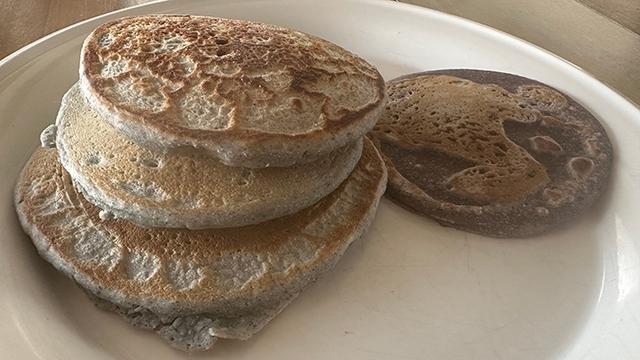
Navajo Blue Cornmeal Pancakes (Abe' Bee Neesmasi)

Navajo Blue Cornmeal Pancakes (Abe' Bee Neesmasi) 1 cup flour1 cup roasted blue cornmeal2 tsp baking powder or juniper ash2 tsp granulated sugar1/2 tsp salt1 1/2 cups milk2 tsp cooking oilMaple syrup or homemade jam for toppings (optional) Whisk together flour, blue cornmeal, b
Taste of Missions

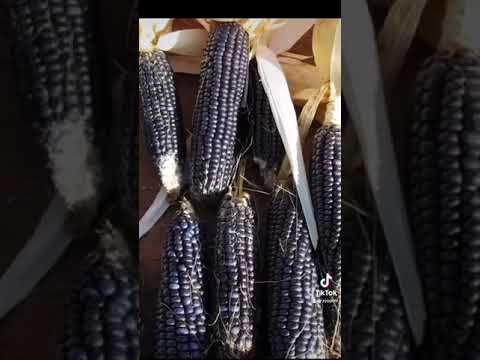
#BlueCornmeal Preparation (#ZuniPueblo)

by #ZuniYouth
Jan 25, 2023

"#ZYEP #FoodSovereignty Leader #KenziBowekaty highlights the traditional process of preparing blue corn flour . This video was created for Indigenous Day 2022 for our #Zuni Middle School students to view."

https://www.youtube.com/watch?v=uvSqr61UFqQ

#SolarPunkSunday #TraditionalRecipes #TraditionalFoods #BlueCorn #BlueCornRecipes #BlueCornFlour #NativeAmericanFoods #IndigenousFood

Blue Cornmeal Preparation (Zuni Pueblo)

YouTube

Hopi recipes

by Ordinary Spring, from 2018

I stumbled across this gallery about a month ago with some Hopi recipes and saved the link. I can't assert anything about them myself, just thought it worth sharing:
https://imgur.com/gallery/V4mUAl4

I've copied the text of the recipes below for search and just in case the gallery vanishes.

#PikiBread

Piki bread is on the list of endangered food traditions.

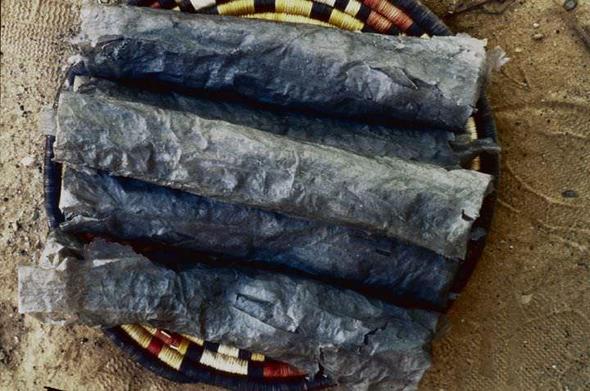
The first step to making piki is to grind up the blue corn. Then, you must add the ashes and some water until it is smooth. Next, the Hopi people would layer the
creamy mixture onto a hot rock. Then the bread looked almost overcooked, they would remove this thin sheet from the stone. They would repeat this six or seven times and then roll all the pieces together. Then, the delicate corn smell would gather nearby people it was so good.

• 3 Tablespoon #ChamisaAsh (Chamisa cooking ash results from the burning of various native plants)
• 1/2 Cup Cold Water
• 6 Cups Finely Ground #BlueCornmeal
• 8 Cups Boiling Water
• 6-8 Cups Cold Water

• Mix chamisa ash with 1/2 cup cold water and set aside
• Put cornmeal in piki bowl, push 1/3 of the meal to the back of the bowl
• Pour 4 cups boiling water into the 2/3 amount of cornmeal and stir until well blended
• Add remaining boiling water and stir until moist and stiff
• Gradually strain ash water through cheesecloth into the dough just until it turns blue
• When dough has cooled enough to touch knead until smooth
• Add the dry meal gradually
• Set dough aside and build fire under the piki stone and allow to heat up
• Meanwhile, gradually knead cold water into the dough until it is a thin consistency smooth batter, add more water during making process if necessary
• Wipe off hot stone and oil with bone marrow or cooked brains, repeat as necessary during making process
• Scoop small amount of batter from bowl with fingers and spread tissue paper thin across stone from left to right, eliminating any lumps
• Dip fingers into batter again to cool them and bring out another scoop
• Continue to spread and layer batter across stone until completely covered
• When piki is done it will seperate from the stone, gently lift away and place it on the piki tray
• The first piece should be fed to the fire
• Spread more batter onto the stone and let cook, then place the prepared piki back onto the stone to soften
• Fold two ends of the piki 1/4 way toward center, then gently roll piki away from you
• Place back on Piki Tray
• Remove Piki sheet from stone and spread with more batter to repeat process until all batter is used
• If Piki tears simply return it to the batter to dissolve and reuse.

Source:
https://bushcraftusa.com/threads/hopi-recipes.230103/

#SolarPunkSunday #TraditionalFoods #TraditionalRecipes #HopiRecipes #BlueCorn #PlantAshes

Something both the #Hopi and #Romans (and other cultures) shared -- using plant-based ashes in food and medicine!

#GladiatorGatorade? Ancient Athletes Had A Recovery Drink, Too

by Maria Godoy, October 27, 2014

Excerpt: "#PlantAshes were evidently consumed to fortify the body after physical exertion, and to promote better bone healing,' Fabian Kanz, a forensic anthropologist at the Medical University of Vienna who led the research, said in a statement. 'Things were similar then to what we do today."

"Evidence for this ancient dietary supplement comes from a second-century cemetery for gladiators in what was once the great Roman city of Ephesus, in modern-day Turkey. Kanz and his colleagues have been studying the remains buried there to unravel how these athletes lived. To figure out what they ate, the researchers examined the remains of 22 gladiators using stable carbon and nitrogen isotope ratio analysis.

"Carbon can tell us about the plants these people ate, while nitrogen offers hints of their animal protein consumption. The gladiators were eating a pretty varied diet, the analysis showed. Some went heavier on the #grains and #greens; some ate more meat.

"When the same tests were run on the remains of 31 regular folks from that era and region, they found the same sorts of variation. In other words, gladiators seemed to be eating the same way as everyone else.

"But the researchers also decided to look at the trace elements of strontium and calcium in those old bones. And that's where a huge difference jumped out. Compared with the regular Joes, the gladiators had a much larger ratio of strontium to calcium.

" 'This is strong evidence that the gladiators were consuming something high in calcium to replenish their calcium stores that other people weren't and that didn't show up in the isotopes,' says Kristina Killgrove, a biological anthropologist at the University of West Florida who studies imperial Rome through ancient bones.

"The researchers wondered: If the gladiators weren't eating more meat than their contemporaries, then where was this calcium boost coming from? A nearly 2,000-year-old encyclopedia offered a tantalizing clue.

"In his #NaturalisHistoria, published in the first century, #PlinyTheElder wrote: 'Your #hearth should be your #MedicineChest. Drink #lye made from its ashes, and you will be cured. One can see how gladiators after a combat are helped by drinking this.'

"Using ash in food and medicine wasn't limited to the Romans. The #Hopis used ash from burned plant leaves and pea pods to prepare #BlueCornmeal foods like #PikiBread and #BivilvikiDumplings. The ash provided essential elements like #calcium, #manganese, #copper and #iron."

Read more:
https://www.npr.org/sections/thesalt/2014/10/27/357903336/gladiator-gatorade-ancient-athletes-also-had-a-recovery-drink

#SolarPunkSunday #LowTech
#BoneHealth #History #RecoveryDrink
#Histodon #HistoricalRecipes
#ThirstQuenching #BlueCorn #TraditionalRecipes #CulinaryAsh