 💧🌏 Greg Cocks
🦫 Could Beavers Help Tackle One Of Climate Change’s Fastest-Growing Challenges? [UK] 🦫
--
https://www.linkedin.com/pulse/climate-change-beavers-hidden-battle-against-britains-rome-cook-frgve/ <-- shared technical article
--
https://www.bbc.com/news/articles/cx26r1gz1x8o <-- shared media article, “Beavers have helped reduce flood risk…”
--
https://www.wildlifetrusts.org/saving-species/beavers <-- shared overview, beavers in the UK
--
https://www.npr.org/2026/05/21/nx-s1-5738979/beavers-britain-climate-change-flooding <-- shared media article, “As floods get worse, Britain tries a new solution: beavers”
--
https://www.rewildingbritain.org.uk/why-rewild/reintroductions-key-species/key-species/eurasian-beaver <-- shared reintroduction overview
--
https://youtu.be/NXZjt1M6loY?si=pwjU0t1GXxGLfNnD <-- shared video, “Watch the moment wild beavers return to Cornwall” [UK]
--
https://youtu.be/65HBgO33GDo?si=2qfBAa2Qaz23I81g <-- shared video, “First Beavers in Bedfordshire in over 400 years” [UK]
--
https://scottishwildlifetrust.org.uk/our-work/our-projects/scottish-beavers/ <-- shared overview, beaver reintroduction into Scotland
--
https://youtu.be/vCjvCQHX7mQ?si=fJS9E1wi0LyDq5Fw <-- shared video, “Scotland Released 11 Beavers Into a Dead River — What They Did With Mud and Sticks Was [amazing]”
--
H/T @RomeCook
“In [this] article, [the author] explore[s]:
🌿 How beaver-created wetlands support biodiversity
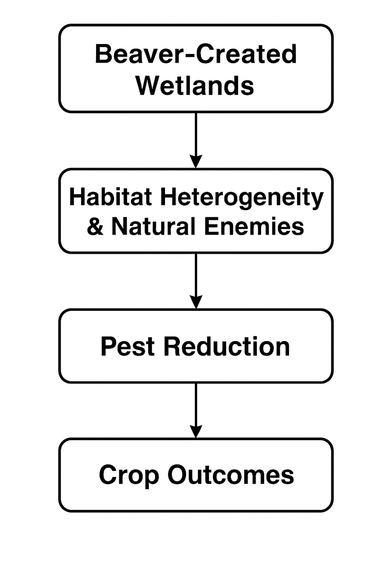
🦟 Their potential influence on mosquitoes and other insect pests
🕷️ The indirect role they may play in tick ecology
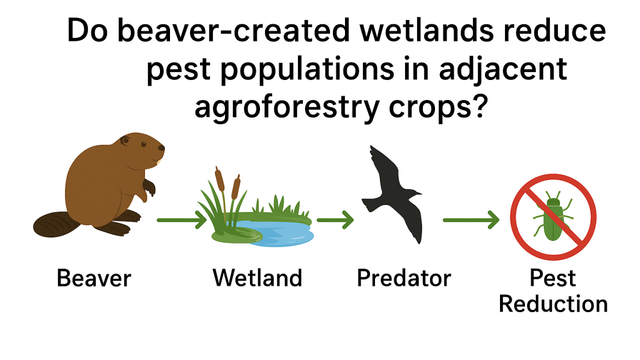
🦇 How dragonflies, bats, birds, amphibians and beneficial insects contribute to natural pest regulation
🚜 What this could mean for sustainable agriculture and agroforestry
🌍 Why this matters for biodiversity, farming, and human and animal health in a changing climate…
The beaver isn’t simply creating wetlands. It may be rebuilding the ecological balance that our landscapes have gradually lost….”
#Beavers #BeaverConference2026 #NatureBasedSolutions #Wetlands #Ecology #Biodiversity #Entomology #IntegratedPestManagement #BiologicalControl #Agroforestry #SustainableAgriculture #ClimateChange #OneHealth #EnvironmentalScience #Conservation #Research #ResearchCollaboration #Wildlife #EcosystemServices #bioviversity #conservation #restoration #landscaperecovery #trophiccascade #Rewilding #Nature #SpeciesReintroduction #Environment #EcosystemEngineers #nature #restoration #floodmanagement #FloodMitigation #flood #flooding #floodrisk #sustainability #wetlands #hydrography #hydrology #dams #impoundment #deadwood #waterresources #landscapeengineer # agriculture #benefits #agroforestry #vegetation #waterquality #ecology #ecosystem #restoration #riversystemsstabilisation #climatechange
--
https://www.linkedin.com/pulse/climate-change-beavers-hidden-battle-against-britains-rome-cook-frgve/ <-- shared technical article
--
https://www.bbc.com/news/articles/cx26r1gz1x8o <-- shared media article, “Beavers have helped reduce flood risk…”
--
https://www.wildlifetrusts.org/saving-species/beavers <-- shared overview, beavers in the UK
--
https://www.npr.org/2026/05/21/nx-s1-5738979/beavers-britain-climate-change-flooding <-- shared media article, “As floods get worse, Britain tries a new solution: beavers”
--
https://www.rewildingbritain.org.uk/why-rewild/reintroductions-key-species/key-species/eurasian-beaver <-- shared reintroduction overview
--
https://youtu.be/NXZjt1M6loY?si=pwjU0t1GXxGLfNnD <-- shared video, “Watch the moment wild beavers return to Cornwall” [UK]
--
https://youtu.be/65HBgO33GDo?si=2qfBAa2Qaz23I81g <-- shared video, “First Beavers in Bedfordshire in over 400 years” [UK]
--
https://scottishwildlifetrust.org.uk/our-work/our-projects/scottish-beavers/ <-- shared overview, beaver reintroduction into Scotland
--
https://youtu.be/vCjvCQHX7mQ?si=fJS9E1wi0LyDq5Fw <-- shared video, “Scotland Released 11 Beavers Into a Dead River — What They Did With Mud and Sticks Was [amazing]”
--
H/T @RomeCook
“In [this] article, [the author] explore[s]:
🌿 How beaver-created wetlands support biodiversity
🦟 Their potential influence on mosquitoes and other insect pests
🕷️ The indirect role they may play in tick ecology
🦇 How dragonflies, bats, birds, amphibians and beneficial insects contribute to natural pest regulation
🚜 What this could mean for sustainable agriculture and agroforestry
🌍 Why this matters for biodiversity, farming, and human and animal health in a changing climate…
The beaver isn’t simply creating wetlands. It may be rebuilding the ecological balance that our landscapes have gradually lost….”
#Beavers #BeaverConference2026 #NatureBasedSolutions #Wetlands #Ecology #Biodiversity #Entomology #IntegratedPestManagement #BiologicalControl #Agroforestry #SustainableAgriculture #ClimateChange #OneHealth #EnvironmentalScience #Conservation #Research #ResearchCollaboration #Wildlife #EcosystemServices #bioviversity #conservation #restoration #landscaperecovery #trophiccascade #Rewilding #Nature #SpeciesReintroduction #Environment #EcosystemEngineers #nature #restoration #floodmanagement #FloodMitigation #flood #flooding #floodrisk #sustainability #wetlands #hydrography #hydrology #dams #impoundment #deadwood #waterresources #landscapeengineer # agriculture #benefits #agroforestry #vegetation #waterquality #ecology #ecosystem #restoration #riversystemsstabilisation #climatechange

 ABC Feeds
 Journal of Plant Ecology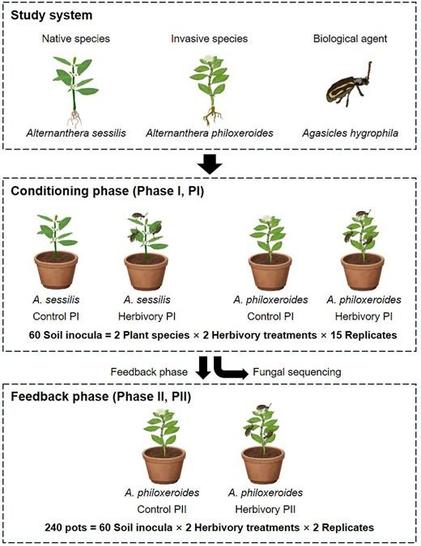
 Jon Sullivan
 NIOO-KNAW
 Sarah Arnold
 The-14