 13
13Binary and Digital Gradients for Telling Time https://hackaday.com/2026/01/21/binary-and-digital-gradients-for-telling-time/
#Clockhacks #Binary #Binaryclock #Digitalclock
#Clockhacks #Binary #Binaryclock #Digitalclock
M5StickC Binary Clock Original Project Aug 30, 2019

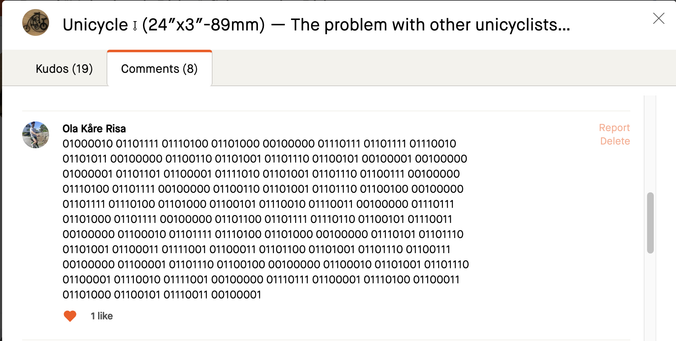
So now I get replies on #Strava from other unicyclists in binary. 😆🤓
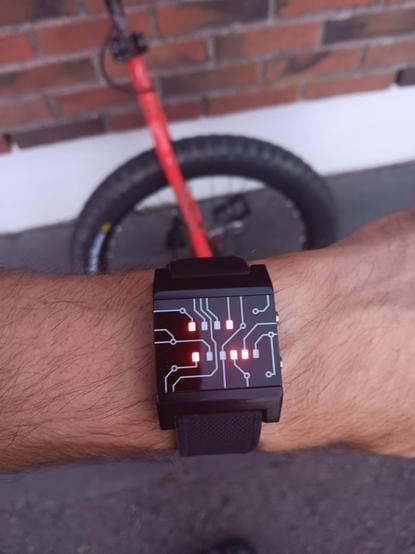
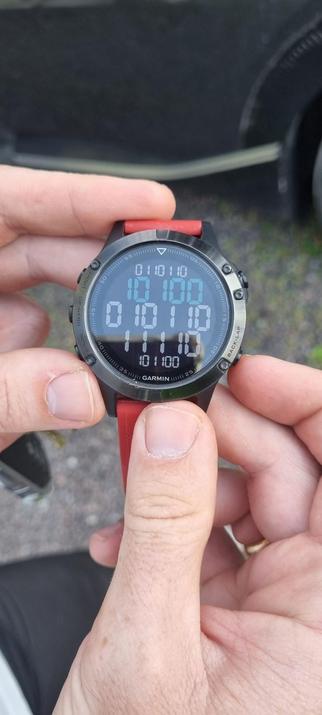
This started because we also both wear binary watches
#WristCheck #BinaryClock #UnicycleLife #Unicycle #Enhjulssykkel
M5StickC Binary Clock Original Project Aug 30, 2019
https://diode.zone/videos/watch/35bb3be2-7f1f-4730-b52c-330760393e51

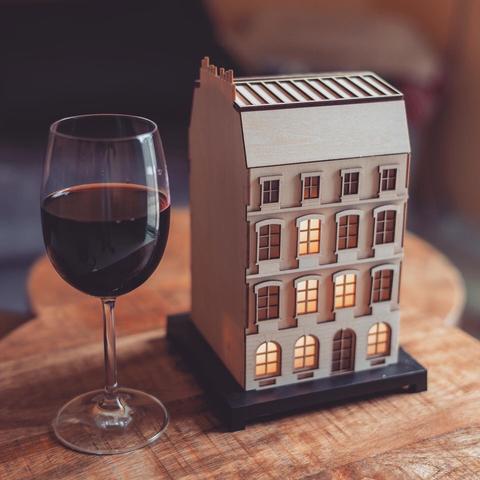
With my thoughts again on watches (and clocks) I am once again tempted to buy this Binary clock that is made to look like a little Parisian Haussmannian building
Cool Binary Clock Uses Old-School LEDs and a Fancy Graphic PCB
Ah, the 5mm LED. Once a popular choice, they've been supplanted in modernity by smaller SMD components and/or more capable RGB parts in recent years. However, they're still able to do the job and are a great way to give your project that proper homebrew look. [Ian Dunn] chose those very parts to produce his 4017 Decade Binary Clock.
The clock uses only digital logic ICs to tell the time - there are no microcontrollers here! After four or five iterations over almost a whole year, [Ian] was finally able to coax the circuit into reliable operation. As you'd expect, it relies on a 32.768 kHz crystal to provide a stable clock. Fed into a 4060 binary ripple counter, that clock is divided down 14 times to deliver a 2Hz square wave. This then goes through a 4027 flip flop to get the desired 1Hz signal. From there, a bunch of extra logic handles counting the seconds, minutes, and hours, and resetting the counters as appropriate.
The PCB that houses the project is printed on directly by a flatbed inkjet printer, which [Ian] purchased when inspired by our previous article on how to get your PCBs made at the mall. He didn't actually use it to make the PCB in this case, but the flatbed printer does a great job of putting graphics on the board.
The result is quite an attractive look that might surprise a few electronics enthusiasts who haven't seen a graphic printed board before. It's a technique we think could be used to great effect on conference badges, too. If you've experimented with similar techniques, be sure to drop us a line!

 LeRoy Miller
 Velocipede Rider
 LeRoy Miller
 Helles Sachsen

 hackaday unofficial
 hackaday