En back, WordPress ne reste ni plus, ni moins que du PHP (certes, moins "conventionnel" que des frameworks modernes, mais si tu l’utilises comme une dépendance via Bedrock, tu as un excellent compromis).

En front, c’est du HTML / CSS / JS. Se contenter de builder type Elementor ou Divi va vite polluer ton DOM et nécessiter une quantité morbide d’assets. Gutenberg offre selon moi la meilleure UX, autant pour le contributeur, que le designer ou le développeur #AtomicDesign

Is it time to ditch Gulp + SCSS for my #Drupal 11 projects? 🤔

As a back-end dev who usually avoids the theme layer, I’m looking at Atomic Design with Tailwind and Storybook. The idea of building in a sandbox instead of fighting global CSS sounds like a dream, but the Webpack/SDC overhead is giving me pause.

Has anyone made this jump? Is it a developer's paradise or just a shiny new version of the same old front-end headaches?

#WebDev #TailwindCSS #Storybook #AtomicDesign

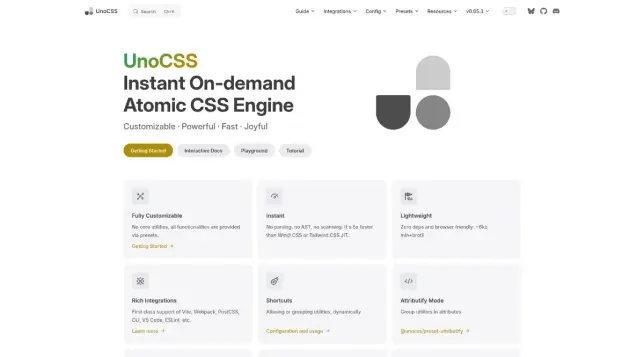
𝗨𝗻𝗼𝗖𝗦𝗦:

#CSS #AtomicDesign #Unocss

https://thewhale.cc/posts/unocss

The instant on-demand Atomic CSS engine. UnoCSS is an engine instead of a framework because there are no core utilities - all the functionalities are provided via presets or inline configurations. We are imagining UnoCSS being able to simulate the functionalities of most of the existing atomic CSS frameworks. And possibly have been used as the engine to create some new atomic CSS frameworks!

Certes, les interfaces ont peu évolué durant des années. Celleux qui refusent Gutenberg et FSE restent sur une image vieillotte de TinyMCE, ou de panneaux “incompréhensibles” et lourds de page builders plus ou moins qualitatifs.

Hors, WordPress a changé !

Il a notamment intégré la logique #AtomicDesign depuis 2018 via #Gutenberg. Et là est la vraie plus value des designers contribuant à l’open source. Fini les complaintes larmoyantes, voilà des actions concrètes.

En quelques clics et glisser / déposer, je peux rapidement créer des palettes personnalisées, et mettre en page différents éléments de contenus : atomes, molécules, organismes… Je suis la logique #AtomicDesign, j’assemble les petites briques pour en faire des compositions, également assemblées entre elles pour en faire des pages.

Beyond Atomic Design: Why Component Libraries Might Be The Better Starting Point | by Nick McLoota | Mar, 2025 | Design Systems Collective

https://www.designsystemscollective.com/beyond-atomic-design-why-component-libraries-might-be-the-better-starting-point-71594e889e2c

#designsystem #atomicdesign #ux #ui

Beyond Atomic Design: Why Component Libraries Might Be The Better Starting Point

If you’ve been anywhere near digital product design in the last decade, you’ve heard about atomic design. It’s practically the gospel of design systems — break everything down into atoms, molecules…

Design Systems Collective

Rethinking atomic design. I think it might be time to reconsider… | by Luis Ouriach | Mar, 2025 | Medium

https://medium.com/@disco_lu/rethinking-atomic-design-f578844efde2

#designsystem #atomicdesign #ux #ui

Rethinking atomic design - Luis Ouriach - Medium

I think it might be time to reconsider whether atomic design helps or hinders the creation of designs and systems. It’s been the de facto rule for looking at interfaces for a long time, but I find…

Medium

Atomic Design and Modern Design Systems | by Dan Balaban | Feb, 2025 | Medium

https://medium.com/@dan-balaban/atomic-design-and-modern-design-systems-104d981fe183

#designsystem #atomicdesign #ux #ui

Atomic Design and Modern Design Systems - Dan Balaban - Medium

Back in 2013, Brad Frost introduced Atomic Design, and it rocked the design world by giving designers a whole new way to think about UI components — breaking them down into reusable parts that could…

Medium