 jenbanim
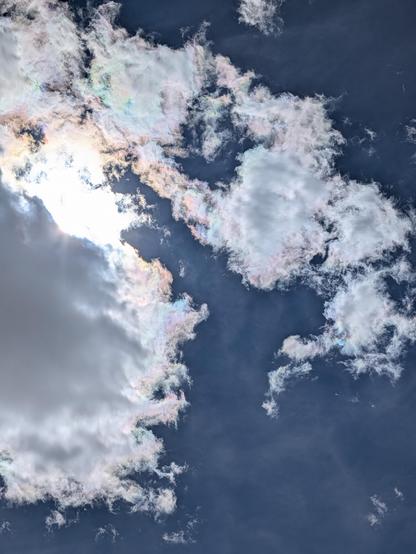
Cloud iridescence(?) in Colorado
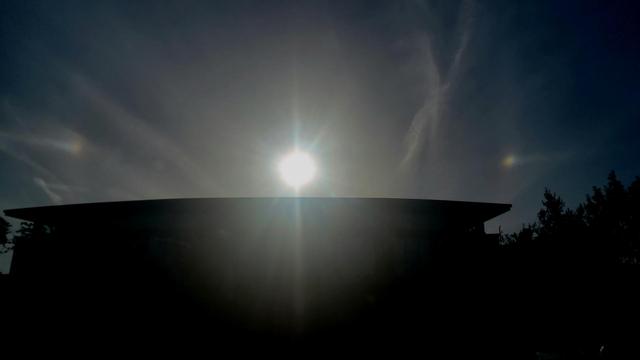
Saw a pretty good Sun Dog today. Hard to photograph as the sun was very bright and still pretty high above the horizon. Very distinct false suns to both the left and right.
"O, learn'd indeed were that astronomer
That knew the stars as I his characters;"
- #ShakespeareSunday, Cymbeline
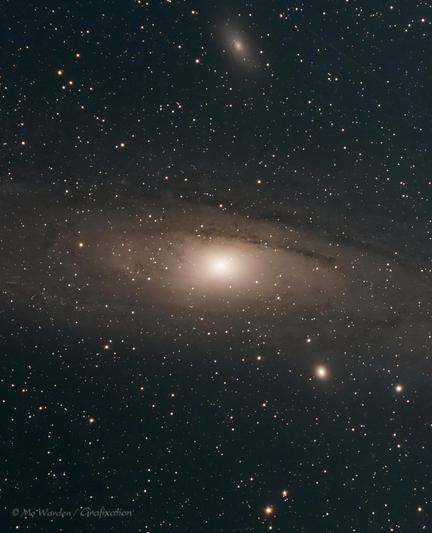
Approximately 765 kpc (2.5 million light-years) from Earth and the nearest major galaxy to the Milky Way, this is the Andromeda Galaxy (aka M 31 / NGC 224) with its "companion" galaxies M 32 and M 110.
Imaged from Fife, #Scotland using a Zwo SeeStar S30 smart telescope, during the night of 16th - 17th August 2025.
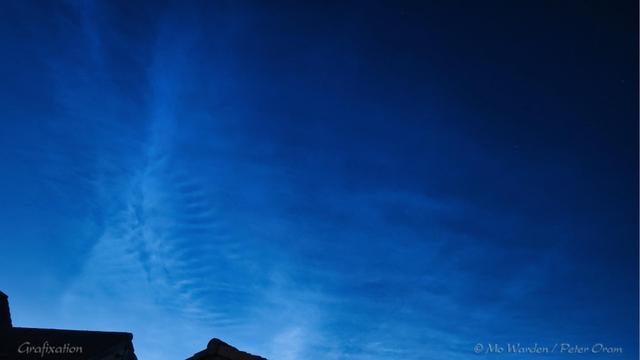
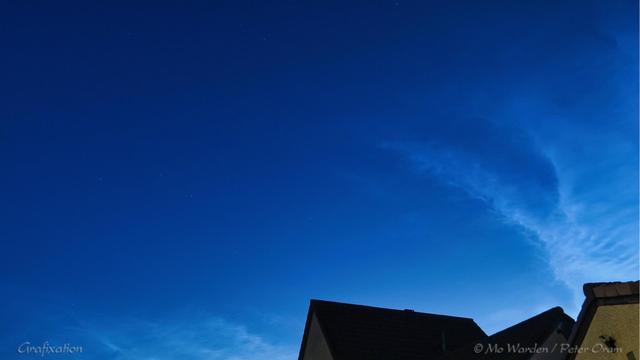
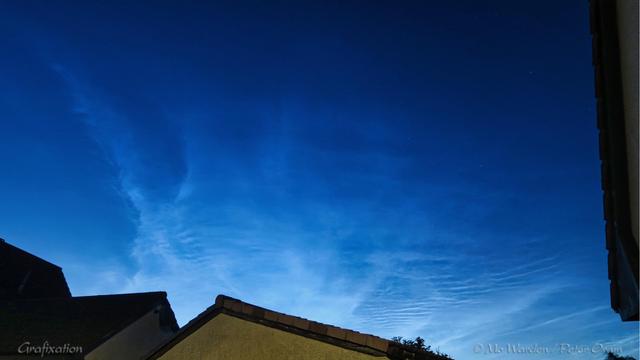
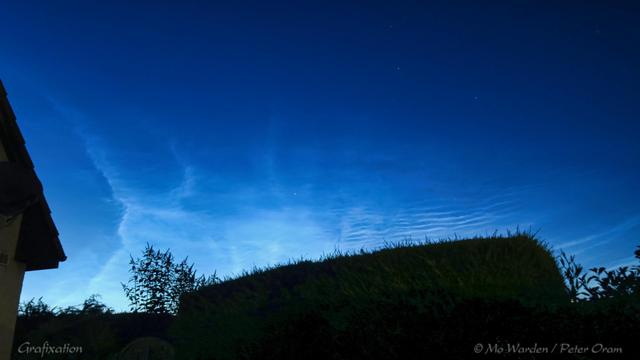
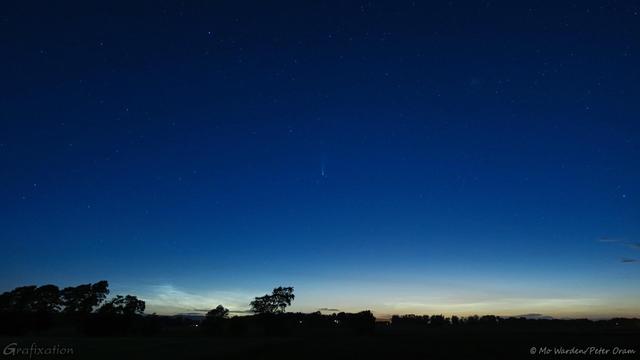
This morning's noctilucent cloud.
02:42 to 03:08, Fife in eastern #Scotland.
@Natasha_Jay With how bright and low that is to the horizon, I'm inclined to think that it might be a rainbow. A CHA would get fainter and fainter as the Sun approaches the altitude of 58°, after which the halo can no longer form. Still a very striking photo. Perfect timing with the Sun and the rain in just the right places! #atoptics
Whorled
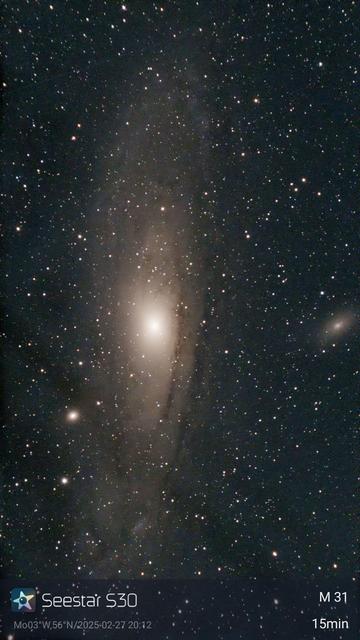
M31 (Messier 31 and NGC 224) also commonly known as the Andromeda Galaxy, the nearest major galaxy to our Milky Way. Two satellite galaxies are also in the frame, M32 (Messier 32 and NGC 221) is on the left and M110 (Messier 110 and NGC 205) is on the right.
Taken from Fife in eastern #Scotland, February 27th 2025 at 20:15.
Thank you all so much for your kind birthday wishes! So much genuine affection, I have a little tear in my eye now.
Or perhaps that's just the hangover... 😆
I had a lovely day with lots of phone calls, plenty of laughter and good company. What more could I possibly ask for?
My friends are still here so I must be away and make breakfast.
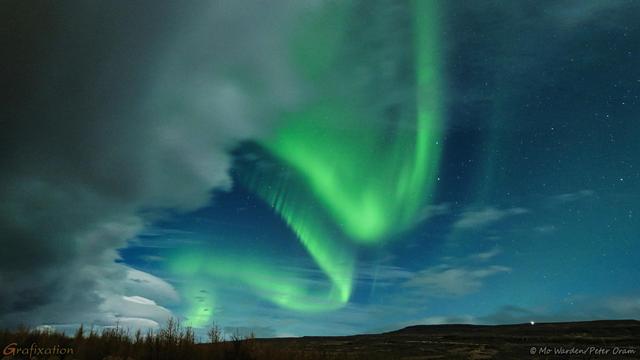
I leave you with a photo of the #aurora, a lovely image for a lovely bunch of people!
Night Shining
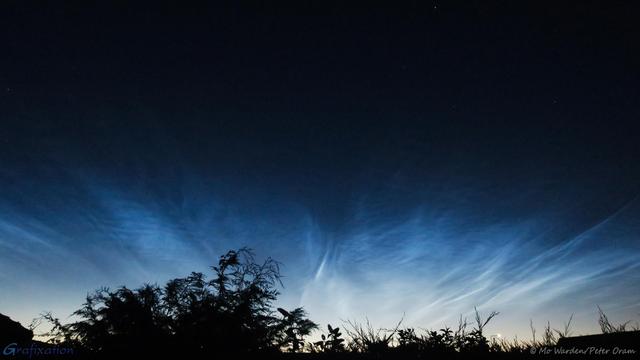
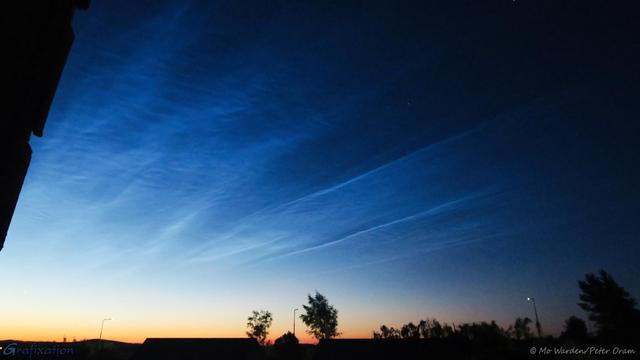
3am. Sometimes, insomnia is useful.
#Noctilucent clouds (NLCs) are made of water ice crystals that form below -120°C (-184°F) and at ≈ 76-85km (47-53mi), the highest clouds in our atmosphere.
NLCs are only visible during twilight and usually summer from latitudes of ±50° and ±70°, and when the lower atmosphere are in Earth's shadow but these clouds are in sunlight.
Text derived from https://en.wikipedia.org/wiki/Noctilucent_cloud
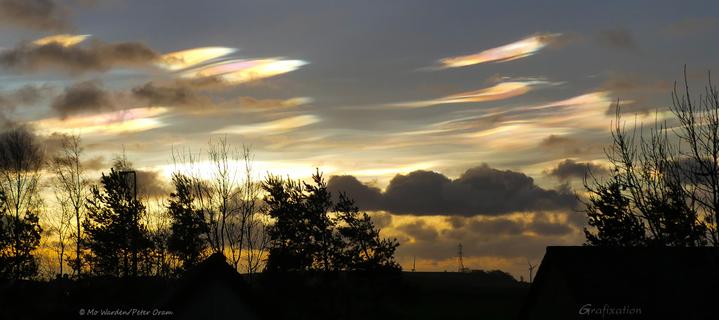
PSCs
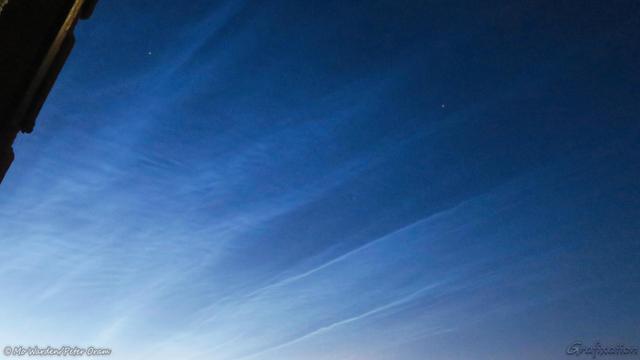
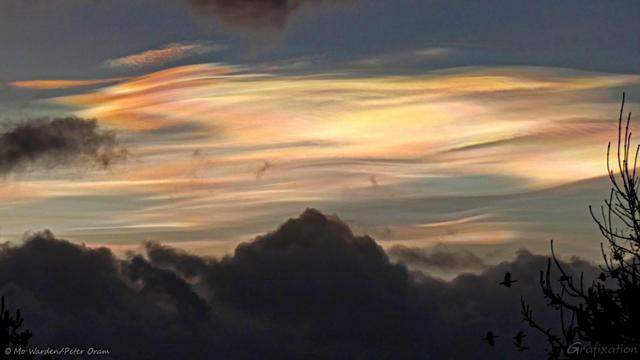
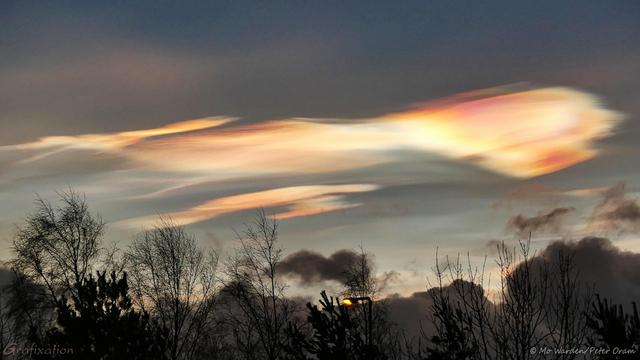
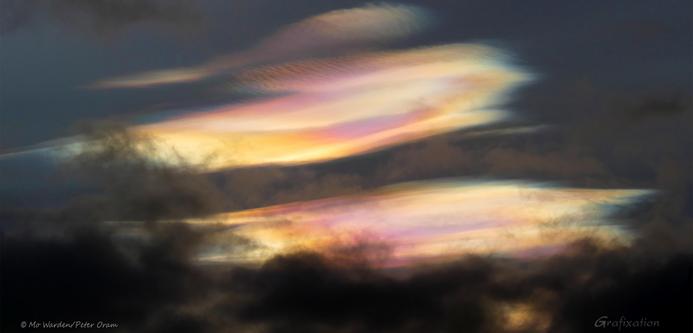
Nacreous or polar stratospheric clouds form in the winter stratosphere, at altitudes of 15 to 25 km (9 to15.5 miles) and at very low temperatures below −78 °C (−108 °F)
They are seen in winter when the sun is below the horizon, shining brightly well before dawn or after dusk.
This type of PSC is composed of super-cooled ice crystals which are not harmful to the atmosphere.
These were seen from my bedroom window in December last year.
 Tony Masiello ☮️
 Mo's other photos
 Tuomas Aumala
 Christian Sievers