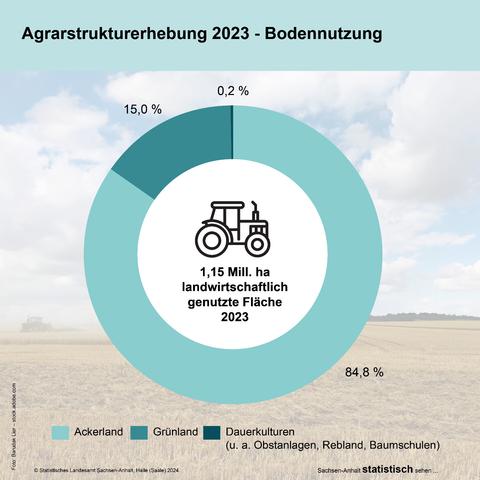
https://lsaurl.de/71npTl #ASE2023 🐐🐐🐐
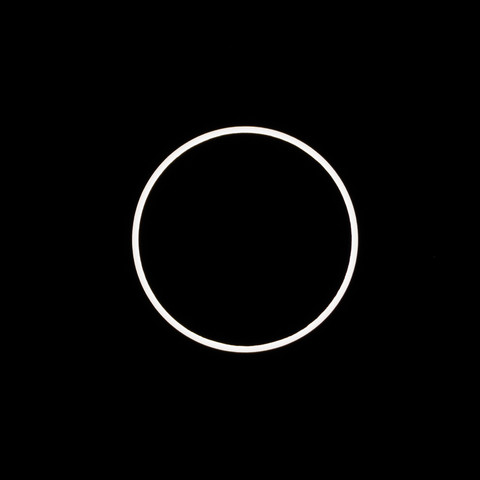
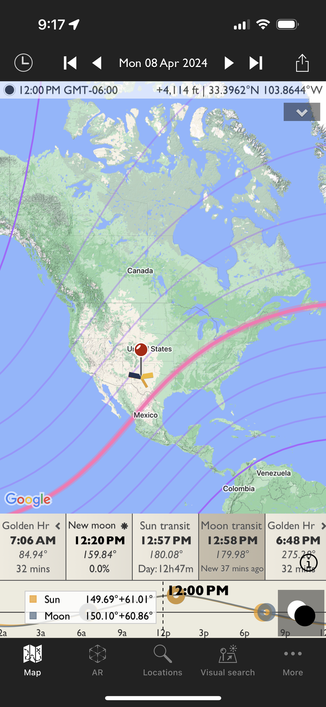
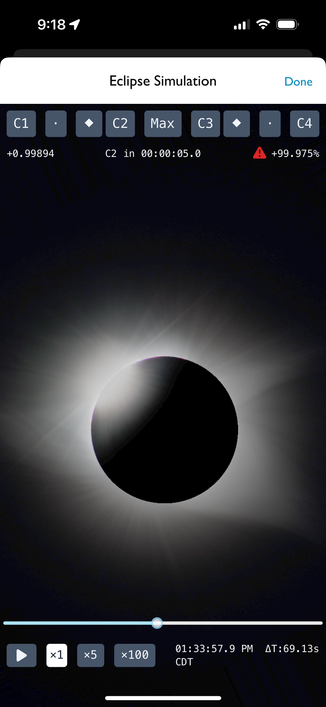
Second contact, max eclipse, and third contact as seen from the Bisti Badlands, New Mexico, earlier today.
Clouds in the forecast for Oct 14 may force some to change their eclipse plans - but if you do, be aware of the impact on what you’ll observe and when:
https://photoephemeris.com/articles/view-the-upcoming-eclipses-in-the-photographers-ephemeris
#solareclipse #annulareclipse #ase2023 #photography #planning
We have 2023 + 2024 solar eclipse paths and simulations in the current beta of our iOS app - interested in trying it? Drop us a line at support at photoephemeris.com
#app #ios #solareclipse #eclipse #ase2023 #tse2024 #testflight #beta
Very cool work on automatically fixing memory leaks in single page (React, Vue, …) web applications.
https://arxiv.org/abs/2308.08144
#reactjs #vue #javascript #AutomatedProgramRepair #ASE2023 #DistinguishedPaperAward #EuropeanConventionCenter #ECCL
Modern web applications often resort to application development frameworks such as React, Vue.js, and Angular. While the frameworks facilitate the development of web applications with several useful components, they are inevitably vulnerable to unmanaged memory consumption since the frameworks often produce Single Page Applications (SPAs). Web applications can be alive for hours and days with behavior loops, in such cases, even a single memory leak in a SPA app can cause performance degradation on the client side. However, recent debugging techniques for web applications still focus on memory leak detection, which requires manual tasks and produces imprecise results. We propose LeakPair, a technique to repair memory leaks in single page applications. Given the insight that memory leaks are mostly non-functional bugs and fixing them might not change the behavior of an application, the technique is designed to proactively generate patches to fix memory leaks, without leak detection, which is often heavy and tedious. To generate effective patches, LeakPair follows the idea of pattern-based program repair since the automated repair strategy shows successful results in many recent studies. We evaluate the technique on more than 20 open-source projects without using explicit leak detection. The patches generated by our technique are also submitted to the projects as pull requests. The results show that LeakPair can generate effective patches to reduce memory consumption that are acceptable to developers. In addition, we execute the test suites given by the projects after applying the patches, and it turns out that the patches do not cause any functionality breakage; this might imply that LeakPair can generate non-intrusive patches for memory leaks.
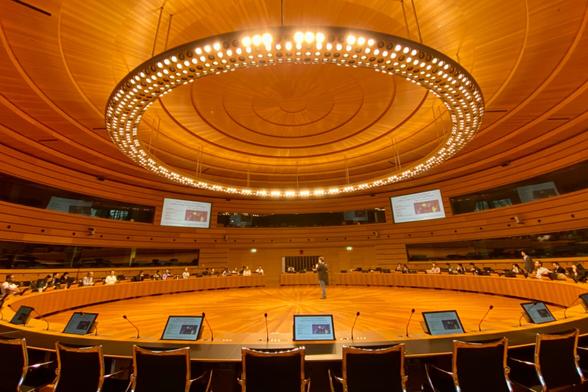
Today's #ASE2023 keynote on "resolving code review comments with ML".
Presented by Danny Tarlow (Google Deepmind).
Blog: https://blog.research.google/2023/05/resolving-code-review-comments-with-ml.html
Based on the DIDACT "Large sequence models for software development activities". https://blog.research.google/2023/05/large-sequence-models-for-software.html
Once again impressed by Julia Lawall's amazing work on the Coccinelle program matching and transformation engine. From her ASE2023 keynote today:
- "Over 9000 commits in the Linux kernel based on Coccinelle"
- "Probably everyone (attending this talk) uses some Coccinelle modified code"