 The Public Domain Review
Cyanotypes by Thomas Smillie (1843–1917) of the @Smithsonian's collection, by their very first curator of photography. More in our post: https://publicdomainreview.org/collection/smillie-smithsonian






#WritersCoffeeClub 5/29: "What (in terms of writing) do you fear?"
Running out of time for my work.
There are more than a hundred thousand German folk tales out there which have not yet been translated into English. Even if I could drop all my other obligations and dedicate myself to this work full time, there is no way I could translate them all.
However, maybe it's possible to translate a decent representative sampling of them. Which might be what, five thousand or so?
I have been doing this for a little more than seven years (in parallel to my full-time job), and translated 850 tales so far. I will reach retirement age in about 17 years (unless German chancellor #Merz screws me over and raises the retirement age, which I suspect he will). At the current pace, I might get another 2000 tales done by that time.
After reaching retirement age, I _should_ have more time for writing, but as I age further, I will have less energy. How much will I get done before I have to stop?
And the translations themselves are just one part of the equation - I also need to compile them into books, which is something I have been struggling with.
So... will I be able to get enough of these tales out so that I can be satisfied with my life's work before the inevitable occurs?






RE: https://mastodon.social/@arstechnica/116623546049061112
This needs to happen.
Paleontologists Discover an Ancient Marine Reptile They’ve Dubbed the T. Rex of the Sea, Crowning Another King of the Cretaceous
https://www.smithsonianmag.com/smart-news/paleontologists-discover-an-ancient-marine-reptile-theyve-dubbed-the-t-rex-of-the-sea-crowning-another-king-of-the-cretaceous-180988792/?utm_source=flipboard&utm_medium=activitypub
Posted into Smartnews @smartnews-Smithsonianmag
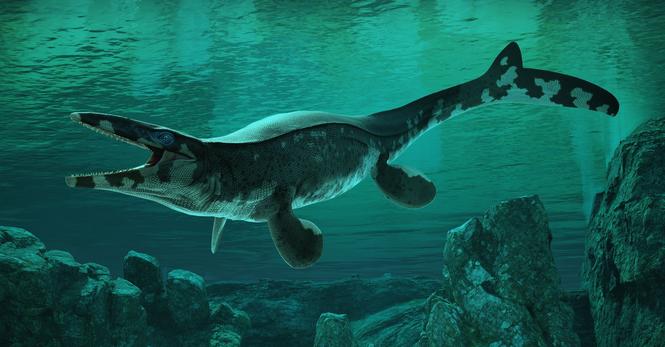
Scientists figured out that the predators were lumped in with a previously named mosasaur species. The new one, called Tylosaurus rex, could grow to 43 feet long, about the length of a school bus

 Jürgen Hubert
 Smithsonian Magazine
 Hermetic Library