
| Blog | https://obrl-soil.github.io/ |
| Bluesky | https://bsky.app/profile/obrlsoil.bsky.social |
| https://instagram.com/obrl_soil/ | |
| Github | https://github.com/obrl-soil |
| Blog | https://obrl-soil.github.io/ |
| Bluesky | https://bsky.app/profile/obrlsoil.bsky.social |
| https://instagram.com/obrl_soil/ | |
| Github | https://github.com/obrl-soil |
The detectCores() function of the parallel package is probably one of the most used functions when it comes to setting the number of parallel workers to use in R. In this blog post, I’ll try to explain why using it is not always a good idea. Already now, I am going to make a bold request and ask you to: Please avoid using parallel::detectCores() in your package! By reading this blog post, I hope you become more aware of the different problems that arise from using detectCores() and how they might affect you and the users of your code.
I'm not an #introduction fan but I guess I should.
Hi, I'm Lauren, I do regional soils mapping in New Zealand after having done the same in Australia for many years. #Taranaki is my main beat atm, but I get around.
I try to position myself in the middle of the old-school #pedology/new-school #pedometrics space. Life is more interesting when *all* of my colleagues are angry at me 🙃
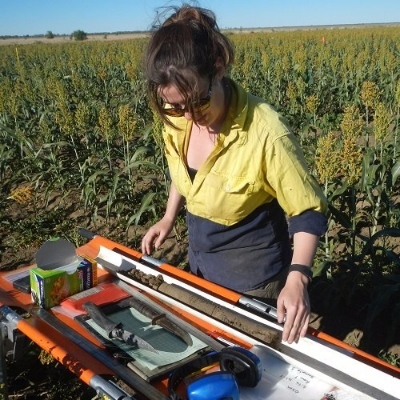
I'll mostly be shitposting about map stuff and #rstats here, and posting photos from my fieldwork adventures.