Peptide-based PROTACs: Current Challenges and Future Perspectives
Proteolysis-targeting chimeras (PROTACs) are an attractive means to target previously undruggable or drug-resistant mutant proteins. While small molecule-based PROTACs are stable and can cross cell membranes, there is limited availability of suitable small molecule warheads capable of recruiting proteins to an E3 ubiquitin ligase for degradation. With advances in structural biology and in silico protein structure prediction, it is now becoming easier to define highly selective peptides suitable for PROTAC design. As a result, peptide-based PROTACs are becoming a feasible proposition for targeting previously “undruggable” proteins not amenable to small molecule inhibition. In this review, we summarize recent progress in the design and application of peptide-based PROTACs as well as several practical approaches for obtaining candidate peptides for PROTACs. We also discuss the major hurdles preventing the translation of peptide-based PROTACs from bench to bedside, such as their delivery and bioavailability, with the aim of stimulating discussion about how best to accelerate the clinical development of peptide-based PROTACs in the near future.
An affinity-directed phosphatase (AdPhosphatase) system for targeted dephosphorylation of specific phospho-substrates - a useful tool as we start to build PHORC/PHIC induced proximity modulators
#inducedproximity #PFEColleague https://bit.ly/3Hl9Kj5RT @[email protected]
Today on #WorldNTDDay, we recognize the need to address neglected tropical diseases such as #trachoma. So I am incredibly proud to celebrate the donation of the one billionth dose of our antibiotic as part global efforts to eliminate this disease. https://bit.ly/3kPHe1s
🐦🔗: https://twitter.com/AlbertBourla/status/1620093566944157702

Setting Our Sights on Eliminating Trachoma
Today is World NTD Day, a day to raise awareness for addressing neglected tropical diseases (NTDs). It is fitting, then, that Pfizer is celebrating the donation of the one billionth dose of our antibiotic as part of the global effort to help prevent and treat #trachoma, an NTD that is the leading in
RT @[email protected]
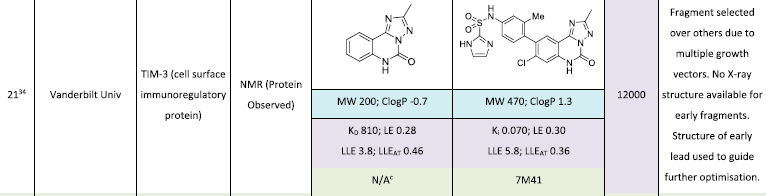
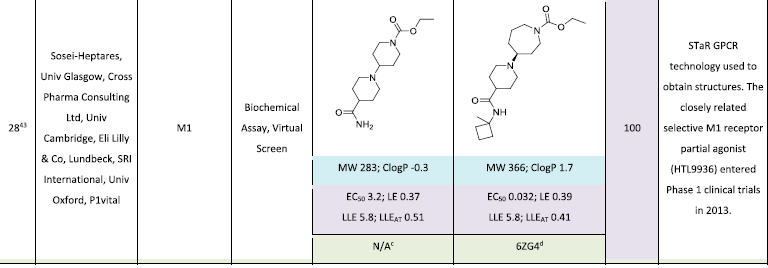
One of my must-read papers in J. Med. Chem. @[email protected] is the annual compilation of fragment-to-lead cases. The 2021 edition comprises 28 entries, several for difficult-to-drug targets. For kinases fragments can provide an entry into structure-based design https://pubs.acs.org/doi/10.1021/acs.jmedchem.2c01827
🐦🔗: https://twitter.com/HartungIngo/status/1619997596784955392
RT @[email protected]
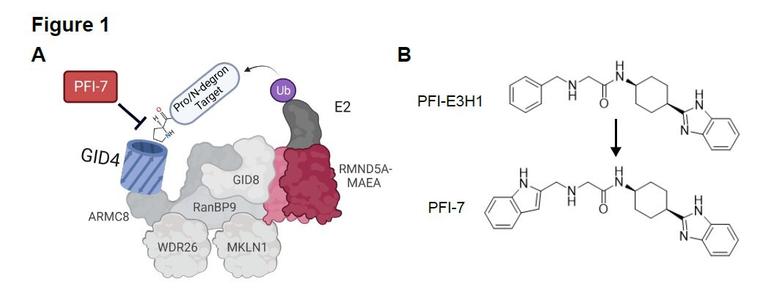
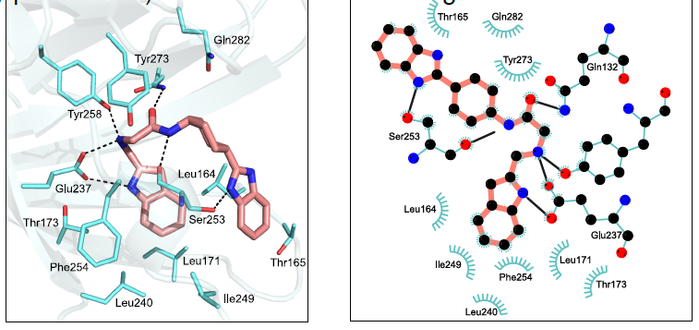
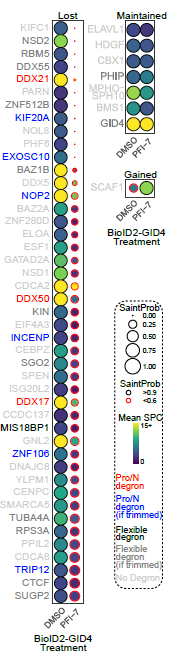
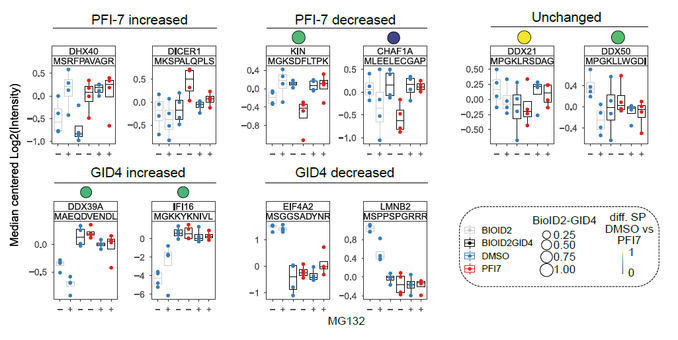
Progress in targeted protein degradation (#TPD) is limited by a scarcity of know-how about human E3s. High quality chemical probes can help to bridge that gap as now exemplified for #GID4 by scientists @[email protected] & @[email protected] #OpenScience https://www.biorxiv.org/content/10.1101/2023.01.17.524225v1 @[email protected]
🐦🔗: https://twitter.com/HartungIngo/status/1619664917963104257