Curiosity Drive 🚐
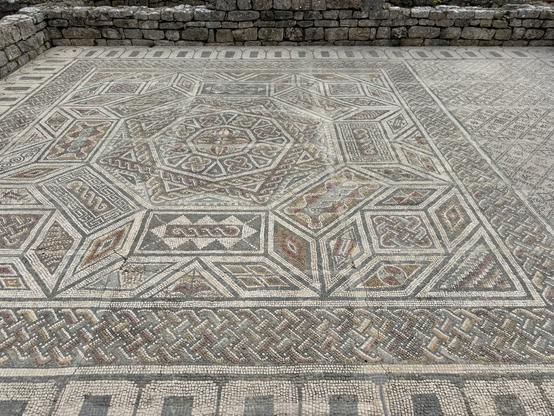
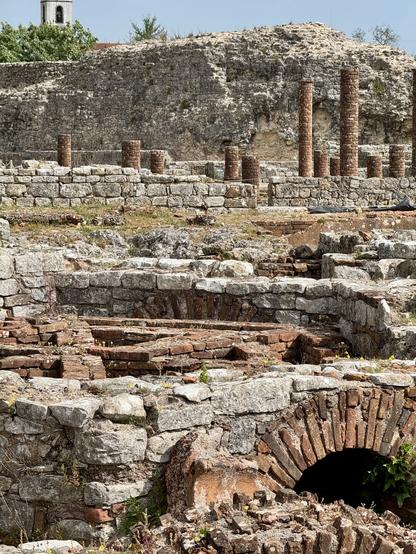
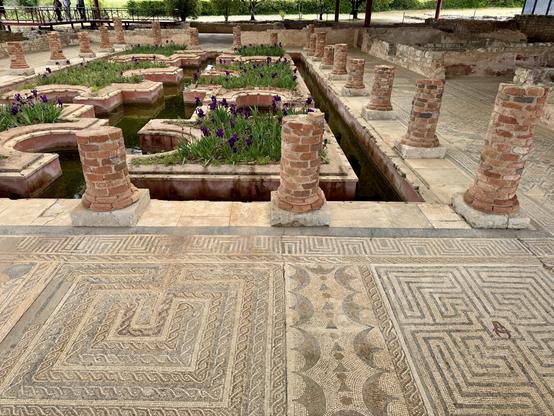
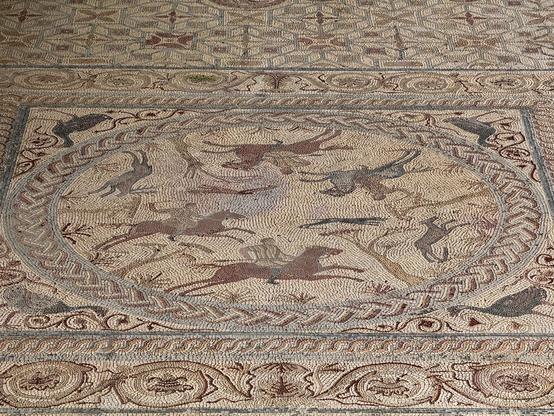
Conímbriga, south of Coimbra, is the largest and best-preserved Roman archaeological site in Portugal; its mosaics are considered among the best surviving in Europe. Originally a Celtic settlement (“-briga” implies fortification & pre-Roman foundations are visible), it flourished from the 2nd C. BCE due to its strategic position on a key road linking Olisipo (Lisbon) & Bracara Augusta (Braga). It became a prosperous city of some 10,000 people at its peak in the Roman province of Lusitania, before being gradually abandoned during 5th C. CE Germanic (Swabian) invasions. Although ~80% of the site remains underground, excavations reveal the typical features of a Roman town. The ruins comprise houses of the elite, a forum (civic centre), thermae (baths), defensive walls, road infrastructure and an amphitheater remnant. The open-air site offers in-situ insights into provincial Roman urban planning, social stratification (elite villas vs. common housing) & engineering (water systems, heating, fortifications), while the on-site museum exhibits items from daily life, coins, tools, mosaics & sculptures recovered from the (ongoing) excavations.
3rd C. mosaic in the “House of the Skeletons” (📷1). 2nd C. private baths in the “House of Cantaber” (📷2). Water garden & mosaics in the 1st C. “House of Fountains” (📷3); note the minotaur in a maze on the right. Also in the same house, a hunting scene mosaic (📷4).
🇵🇹 #portugal 🇪🇺 #europe 🚀 #travel 🚐 #camperVan #nomad #roadTrip #vanLife 🏛️ #roman