 Palm Oil Detectives
Oil palm in Latin America: monoculture and violence
The rapid expansion of oil palm plantations across #SouthAmerica is causing significant environmental, economic and social problems. This growth is leading to #deforestation, #landgrabbing displacement of #indigenous and farming communities, and increased militarised and police #violence, particularly affecting Indigenous and Afro-descendant populations. Despite the global demand for #palmoil, the consequences of its production on peasant communities in South and Central America are raising serious questions about its viability and #humanrights rigour.
In this in-depth @GRAIN_org report, understand the #landgrabbing #violence and abuses in #palmoil #agribusiness in #SouthAmerica #LatinAmerica. Resist every time you shop #Boycottpalmoil 🌴🧐⛔ #HumanRights #LandRights @palmoildetect https://wp.me/pcFhgU-9cD
Share to BlueSky Share to TwitterOriginally published by GRAIN. Republished under the Creative Commons Attribution Licence, read original.
The global oil palm craze
Oil palm plantations are rapidly gaining ground in Latin America, driving communities from their lands and causing deforestation, violence, and poverty.
Global production of palm oil has increased by almost 600% from 14.72 million tonnes in 1994 to 80.58 million tonnes in 2021. The cultivation area has also expanded drastically from 7.86 million hectares in 1994 to 28.91 million hectares in 2021. [1] The multiple uses of palm oil, together with its relatively low price, are factors that have driven constant demand, despite the problems and conflicts in peasant, Indigenous and Afro-descendant territories.
Figure 1: Global oil palm production and cultivation area (in millions of tonnes and hectares) in Latin America and worldwide (1994 – 2021)
Source: FAO, 2024 [2]. Production: GRAIN
Consumption of palm oil has increased over the last 30 years from 2% to 41% of total oil production worldwide, replacing soybean oil as the most consumed vegetable oil in the world. [3] This demand is due, in particular, to large food corporations seeking cheaper raw materials to manufacture ultra-processed products and agrofuels. In other words, demand for this oil is linked to profits, rather than providing people with healthy nutrition.
The industry continues to seek land to expand cultivation. This expansion is only possible in certain tropical areas with abundant rainfall. With 84% of palm oil production concentrated in Malaysia and Indonesia, and with a shortage of land to expand cultivation, the industry has been seeking new horizons. [4] Latin America and West Africa have become the new areas for expansion.
Figure 2: Top producing countries of palm oil as of December 2023 in metric tonnes.
Source: USDA, 2024 [5]. Production: GRAIN
Almost without exception, palm plantations lead to extreme poverty and an increase in violence. [6] In many cases, companies promote the expansion of plantations on land that encroaches on areas where communities have built their livelihoods on farming and other subsistence activities. Some of the impacts of these plantations include mass deforestation, illegal land grabbing, pollution, destruction of water sources and loss of land for subsistence farming. Moreover, women bear a disproportionate share of its consequences, and are now the main victims of this monoculture production model. [7]
Despite this, governments and corporations promote these plantations based on a series of false promises, such as job creation in rural areas, an increase in income for peasant communities, better infrastructure such as schools and health centres, among others. In most cases, these promises never come to fruition. [8]
Expansion of palm oil in Latin America
In this region, the area covered by palm plantations has continued to grow, particularly since 2000. Currently, the top palm-producing countries in the region are Colombia, Honduras, Guatemala, Brazil, and Ecuador. [9]
Figure 3: Tonnes and hectares of palm oil production in Latin America’s top producing countries in 2021
Source: FAO, 2024 [10]. Production: GRAIN
Moreover, palm oil exports from Latin America primarily go to the European Union, the United States and Mexico, to be used by large transnational corporations in the production of ultra-processed foods.
Table 1. Export destinations of the top oil palm producing countries in Latin America in 2022
European UnionUnited StatesLatin AmericaOthersColombia41.70%4.90%48.80%4.60%Guatemala67.10%0%31.90%0.01Honduras53.80%19.30%26.80%0.001Brazil53.60%9.30%30.30%6.80%Ecuador13.80%17.10%66.80%2.30%* Most of the exports to Latin America are sent to Mexico for the production of ultra-processed foods, which has expanded in recent decades with the signing of NAFTA.
Source: Trade Map, 2024 [11]. Production: GRAIN
Colombia is the leading oil palm producer in Latin America. It has close to 500,000 hectares. These plantations and their expansion are located in areas where armed groups are present in the country. [12]
Research: Certifying Palm Oil as “Sustainable” Is No Panacea
University of Michigan research reveals that RSPO certification is associated with deforestation and human rights abuses in Guatemala. Boycott palm oil! The results of this paper show that these plantations were responsible for 28% of the region’s deforestation, and RSPO-certified plantations did not significantly reduce deforestation. The study links this deforestation to the supply chains…
Keep readingSpoiled Fruit: Land-grabbing, violence and slavery for “sustainable” palm oil
C4ADS analysis shows that the food conglomerates that feed millions—including giants such as Nestlé, Cargill, Adani Wilmar, IOI, Olenex and more —continue to enable forced labor through their indiscriminate import of tainted palm oil associated with slavery, indigenous land-grabbing, deforestation and human misery in the developing world.
Keep readingSnack giant PepsiCo allegedly sourced “sustainable” palm oil from razed Indigenous land in Peru
PepsiCo’s supply chain is linked to environmental and human rights violations in Peru, involving Amazon deforestation and Indigenous land invasion. For three years, palm oil from deforested Shipibo-Konibo territory has been used in products like Gatorade and Cheetos. PepsiCo sources oil from Ocho Sur, a company notorious for environmental crimes and forest loss. The palm…
Keep reading“Sustainable” Palm Oil No Different in Land Conflicts
Research reveals no significant difference between RSPO-certified “sustainable” palm oil and non-certified palm in Indonesian land conflicts. Boycott palm oil!
Keep readinghttps://youtu.be/eG8V-Cmj4Es?si=VTO_FayEsR3s0XQA
Oil palm monocultures in Colombia tend to be dominated by large landowners. In many cases, they have expanded their plantations by displacing thousands of peasants from their lands, using violence and intimidation. In the Tumaco region, for example, it has been documented that landowners have seized peasant land through intimidation, legal trickery, and the corruption of local authorities. [13] A large number of palm-growing companies were established in conflict areas during the years of armed violence in the country. Oil palm cultivation has been linked to paramilitary groups and identified as causing acts of violence against peasants in the regions in which they operate. [14]
Many of the impacts caused by palm oil companies affect Indigenous territories. For example, the Sikuani people, who suffered various forms of violence due to the internal armed conflict, were ultimately displaced from their land by a palm oil company. This forced the Sikuanis to change their way of life. The loss of land to grow their own food led to displacement of members of the Sikuani people to surrounding urban areas, where they suffer from hunger and overcrowding. [15]
The most recent land grab in Colombia also involved palm oil companies, such as the Italian-Spanish company, Polygrow, which recently seized thousands of hectares to expand its oil palm plantations. [16] Land grabbing by palm agribusiness often occurs with the backing of favourable public policies, little state oversight and through violence and threats to peasants and Indigenous peoples.
In Ecuador, oil palm cultivation accounts for 4% of the agricultural Gross Domestic Product. Palm plantations have grown at an average annual rate of 8%, making it the country’s seventh largest agricultural export. [17]
Today there are almost 152,000 hectares of oil palm. [18] Large palm oil producers are primarily located in the provinces of Esmeraldas, Sucumbios and Los Rios. [19]
While several Indigenous and Afro-descendant communities, particularly in the province of Esmeraldas, received collective land deeds, legal loopholes have allowed individual deeds to the same land to be sold to palm oil companies, such as Energy & Palma. [20] This has led to at least two land disputes between Afro-Ecuadorian communities and the Energy & Palma company in recent years. [21]
In 2015, thousands of hectares of palm were affected by the outbreak of “bud rot” disease. Small-scale palm growers, who represent the majority of palm plantation owners in Ecuador, were the ones who fell into debt and lost everything. These smallholder farmers had acquired loans, put up their land as collateral and were then unable to sell their produce. Although large companies also lost some of their produce, they did not lose their land and had other economic resources to rely on. [22] They also took advantage of the crisis to buy land at below-market prices and further consolidate their control.
In Bolivia, palm plantations are being fiercely promoted by the government as a way of substituting fuel imports. As regards diesel, a 2022 decree created the “programme to promote the cultivation of oil-producing species”. [23] Its principal aim is to develop oil palm, jatropha and macororó crops for the production of biodiesel. [24]
The Bolivian government intends to expand the plantation area by over 60,000 hectares in the coming years. [25] The national coordination for the defence of Indigenous peasant territories and protected areas of Bolivia (Coordinadora Nacional de Defensa de Territorios Indígenas Originarios Campesinos y Áreas Protegidas de Bolivia) was one of the first organisations to denounce the expansion and impacts of palm monocultures. [26]
In Central America, Guatemala is one of the main producers of palm oil with 210,000 hectares of palm plantations. Numerous conflicts have been reported in the country as a result of this monoculture, mainly due to the displacement of Indigenous and peasant communities from their lands as a result of expansion of these plantations. [27]
In Honduras, almost 210,000 hectares of palm are registered. Palm expansion is taking place on Indigenous and Afro-descendant territories, particularly in Garifuna and Bajo Aguan communities. These communities are subject to violence, harassment, and threats by the military and paramilitary groups with ties to politicians in the country. [28] Oil palm plantations in Honduras benefit from a series of fiscal incentives and pro-expansion policies promoted by powerful groups. [29]
In Nicaragua, there are 35,000 hectares of oil palm. However, the figure is believed to be higher due to unauthorised expansion, with no oversight by local authorities. Many of the existing oil palm companies in Nicaragua have managed to expand plantations illegally, by leasing land to small farmers or through contract farming. They also displace communities and settle on state conservation land without incurring penalties.
Brazil has seen rapid expansion in recent years. Today, there are some 200,000 hectares of palm plantations in the state of Pará, with production currently earmarked for the domestic market. There are expansion plans in other states, for example 120,000 hectares in the municipality of São João de Baliza in the state of Roraima, for the Brazil Biofuel (BBF) project. It is used as an agrofuel in the country. [30]
BBF is the top company in Brazil dedicated to oil palm production. It has been accused of environmental crimes and violence against communities, such as the community of Virgílio Serrão Sacramento, linked to the Small Farmers Movement (Movimiento de Pequeños Agricultores – MPA). [31] For the most part, the company supplies palm oil to multinational food companies.
Companies, transnationals, and banks promoting the expansion of oil palm
In Latin America, companies growing oil palm are generally large family groups that control political and economic aspects of the countries where their plantations are located (see Table 2).
Table 2: Top oil palm producing companies in Latin America
CountryCompanyColombiaCargill, Louis Dreyfus Company, Fedepalma, Palmas y Extractora Monterrey S.A.S, Bunge LimitedHondurasIndustrias Chiquibán, Continental de Grasas, Grupo JaremarEcuadorEnergy & Palma, Palmeras del Ecuador, PALESEMA, Palmeras de los AndesBrazilBBF, Agropalma, AmaggiGuatemalaGrupo Natura, Reforestadora de Palma del Petén, Palmas del IxcánPeruPalmas del Espino, Ocho Sur, Plantaciones de PucallpaEl SalvadorGrupo Sol, Inversiones La Palma, Palmas del SalvadorProduction: GRAIN, based on local sources of information available to the public.
A number of these companies have been involved in acts of violence and criminalisation in their countries, such as Energy & Palma in Ecuador, which has prosecuted and intimidated the Afro-Ecuadorian community of Barranquilla de San Javier. [32]
Some of the oil palm expansions in Latin America are financed by the Inter-American Development Bank, which grants a series of loans to expand plantations in countries such as Ecuador, Colombia, and Honduras. [33] Transnational banks such as HSBC and Rabobank offer credit for expansion. [34] Companies that use palm oil also market consumer goods for the palm oil sector and it is estimated that the financial market will invest over one hundred billion dollars in Latin America in the coming years. [35]
The expansion of palm growing and oil processing companies in Latin America is due to the pressure exerted by large transnational food companies, such as Nestlé, Unilever, Mondelez International, PepsiCo, Coca-Cola, Kellogg’s, Bimbo, Nutresa Group and Cargill. In cosmetics, companies such as L’Oréal, Colgate-Palmolive, Unilever, and Procter & Gamble also contribute to this expansion. Similarly, in the agrofuels sector, companies such as Cargill, BP, Shell, ExxonMobil, AAK, Wilmar, and ADM play a prominent role. Furthermore, large supermarket chains, like Walmart, Carrefour, Cencosud and Grupo Éxito, are also involved in this expansion process.
Conflicts over land
Currently, the expansion of plantations is particularly affecting Mexico, Peru, Nicaragua, and Brazil. The strategy follows the pattern already in place in other Latin American countries: violence and intimidation towards Indigenous, Afro-descendant and peasant communities, land grabbing, deforestation and, in some cases, contract farming.
In Mexico, in the Chiapas region, companies that have large-scale oil palm plantations are causing major deforestation, and intimidating peasant and Indigenous communities in the region. The women of these communities are now organising to speak out about the effects. [36]
In Peru, it has been reported that palm oil companies are expanding into the Amazon, displacing Indigenous peoples by means of threats, violence, and intimidation, as in the case of the Santa Clara de Uchunya Indigenous community. The Shipibo people in Santa Clara have lost a large part of their ancestral land as a result of constant threats and attempts on the lives of their leaders. [37]
In Nicaragua, the PALCASA company expanded its plantations without any checks, or permits granted, by the competent authorities. [38] This expansion took place by displacing peasants from their land, as part of a land grabbing strategy that the company has been implementing in the region.
Other impacts of the oil palm production model
The oil palm production model in Latin America is based on intensive monoculture on large areas of land with significant levels of pesticide use. This model has had severe effects on the environment and peasant farming.
The multiple impacts created throughout this process begin with deforestation (which in some cases involves forest fires to clear the land) and grabbing of peasant and Indigenous lands, through evicting communities by means of violence and intimidation. On many occasions, this is carried out by armed groups.
Furthermore, they are destroying the diverse peasant crops, converting the land into large-scale monocultures plagued by agrotoxins and setting up oil-extracting industries. Soil and water pollution due to the use of large quantities of agrochemicals in plantations affects not only the environment but also the local people who depend on these water sources for their survival. [39] There is also a possible link with the increasing wave of fires leading to deforestation, with subsequent use of this land to cultivate palm plantations.
Some communities give in to the companies’ demands, whereas other resist. [40] The expansion of agro-industrial crops also reduces the living space of local populations, leading to a decrease in hunting and gathering of natural fruits, forcing Indigenous people to buy food of little nutritional value. [41]
It is estimated that in Latin America, palm plantations are replacing 21% of forests and 79% of pasture and staple food growing areas in the region, displacing food production in many countries. [42]
Rapid expansion of this monoculture is resulting in arable soil becoming infertile, large-scale deforestation, loss of agrobiodiversity, increased greenhouse gas emissions and contamination of water sources. It also threatens the territories and food sovereignty of thousands of peasants and Indigenous families.
Another of the consequences of this farming model relates to the labour conditions for workers on plantations and in oil processing plants. In many cases, they work long hours in hazardous environments, handling chemical products that put their health and lives at risk.
Men are hired particularly for harvesting, fumigation, and plantation maintenance, whereas women are involved in planting, pollination, and phytosanitary control. In general, neither male nor female workers have suitable work equipment, clothing, or protective gear, which leaves them vulnerable to occupational illnesses and accidents. [43]
Jobs provided by palm oil companies are highly exploitative. On plantations on the Ecuadorian coast, for example, pay is US$6 per day for core jobs, and US$12 for supervisory positions. [44] Palm growers use contracting companies to employ and pay for labour, thereby avoiding direct responsibility. There are also cases of forced labour and human trafficking on palm plantations. [45]
With regard to health, the palm plantation workers are greatly affected by the use of pesticides, with very low levels of protection. In Ecuador, for example: “58% of workers show varying degrees of symptoms from exposure to pesticides. Additionally, communities living in proximity to palm plantations suffer higher rates of cancer, headaches, skin diseases, respiratory problems, childhood development disorders (lower than age-appropriate cognitive development), miscarriages and malformations, due to air- and water-borne pesticides.” [46]
Roundtable on Sustainable Palm Oil (RSPO) and corporate greenwashing
Most transnational food and agrofuel companies claim that products come from plantations certified by the Roundtable on Sustainable Palm Oil (RSPO). The RSPO is a global, not-for-profit organisation founded in 2004 with the objective of “promoting the growth and use of sustainable oil palm products through credible global standards and engagement of stakeholders”. Its establishment was driven by the World Wide Fund for Nature (WWF), following widespread complaints and public concern about the environmental impact of the palm oil industry.
Since the creation of the RSPO, the latter has not complied with the objectives for which is was created, but rather has served as a greenwashing tool for transnational companies that use this certification as a way to justify sourcing palm oil from plantations embroiled in environmental and social conflicts. [47] Many Latin American plantations shield themselves by using this certification to export oil to the European Union, thereby misleading millions of consumers.
In Colombia, for example, in many cases palm oil is exported with RSPO certification which claims that the palm oil is not from areas that have been deforested. The country’s palm growers’ union insists that oil palm does not cause deforestation. However, according to the Colombian Ministry of the Environment, between 2011 and 2017, palm cultivation led to the deforestation of 17,000 hectares, equivalent to 1.5% of all deforestation in the country. [48] Despite this reality, many palm growing companies in Colombia have signed “zero deforestation” agreements, to attempt to conceal the effects of their plantations.
In Guatemala, several communities have reported illegal grabbing of their land. [49] Nevertheless, the country’s palm growing companies boast the highest number of RSPO-certified hectares.
Palm monocultures have become a major driver of deforestation, especially of primary Amazonian forests, undermining the livelihoods of the people who depend on them. For example, over 90,000 hectares have been planted in Peru, which has registered the highest rate of deforestation for palm oil production in the region. [50]
In Brazil, over recent years, BBF has been held responsible for the deforestation of 667 hectares, despite commitments made by the company and its authorities to expand oil palm cultivation only in areas deforested prior to 2008. [51]
Since oil palm plantations began to be cultivated in Latin America, companies associated with this agribusiness have gained a track record in murder, labour crimes, and rights violations. [52] Yet despite this, companies claim to produce “sustainable” energy and palm oil. For example, Agropalma, owned by the Alfa Group, one of the largest business groups in Brazil, has been denounced for illegally occupying land, yet despite multiple complaints it is certified by the RSPO. Recently, it announced that it wanted to expand its plantations and resume biodiesel production. [53]
Despite the expansion of plantations, local people are resisting
Oil palm expansion promoted partly by governments and transnational companies in Latin America has been based on false promises to improve conditions in the communities and territories where they are established. However, the reality is that these plantations are provoking displacement, threats and the violation of Indigenous peoples’ and peasants’ rights.
Despite this, the affected communities are constantly resisting, through protests, public demonstrations, legal actions, and international support to prevent the expansion of oil palm from continuing to affect them and endanger their lives and lands. The entire process also involves political, territorial, and economic aspects. Their fight is now spreading through the different countries where oil palm plantations are found.
As with Asia and Africa, oil palm plantations in Latin America are not sustainable nor do they improve local people’s conditions. Therefore, agribusiness and corporations can no longer hide behind RSPO certification and allow expansion to continue.
The support that we can offer to Indigenous, Afro-descendant and peasant communities affected by oil palm monocultures is key to defending food sovereignty. Palm oil is not compatible with the development of food sovereignty promoted by the peasant and Indigenous movement. It is a monoculture that invades their lands, does not promote food diversity, and is based on the Green Revolution model promoted by governments and transnationals for so-called “rural development” whilst it simultaneously engulfs everything it touches in violence.
GRAIN would like to thank the World Rainforest Movement (https://www.wrm.org.uy/), Acción Ecológica (www.accionecologica.org) and the Global Forest Coalition (www.globalforestcoalition.org), who sent us important information for this document.
Cover photo: Santa Clara de Uchunya Native Community, Nueva Requena district, Ucayali. Photo: Diego Pérez via Mongabay.
Originally published by GRAIN. Republished under the Creative Commons Attribution Licence, read original.
ENDS
Read more about human rights abuses and child slavery in the palm oil industry
Oil palm in Latin America: monoculture and violence
The rapid expansion of oil palm plantations across #SouthAmerica is causing significant environmental, economic and social problems. This growth is leading to #deforestation, #landgrabbing displacement of #indigenous and farming communities, and increased militarised…
Read moreIndigenous Peoples Fight Climate Change
After wildfires, Belize’s indigenous people rebuild stronger based on “se’ komonil”: reciprocity, solidarity, gender equity, togetherness and community.
Read moreInvestigation by Bloomberg exposes that despite being RSPO members, #SOCFIN plantations in #WestAfrica are the epicentre of #humanrights abuses, sexual coercion, environmental destruction, and #landgrabbing. Operating in #Liberia, #Ghana, #Nigeria, and beyond, SOCFIN’s…
Read morePalm Oil Threatens Ancient Noken Weaving in West Papua
Colonial palm oil and sugarcane causing the loss of West Papuans’ cultural identity. Land grabs force communities from forests, threatening Noken weaving
Read moreFamily Ties Expose Deforestation and Rights Violations in Indonesian Palm Oil
An explosive report by the Environment Investigation Agency (EIA) details how Indonesia’s Fangiono family, through a wide corporate web, is linked to ongoing #deforestation, #corruption, and #indigenousrights abuses for #palmoil. Calls mount for…
Read more Load more postsSomething went wrong. Please refresh the page and/or try again.
Take Action in Five Ways
1. Join the #Boycott4Wildlife on social media and subscribe to stay in the loop: Share posts from this website to your own network on Twitter, Mastadon, Instagram, Facebook and Youtube using the hashtags #Boycottpalmoil #Boycott4Wildlife.
Enter your email address
Sign Up
Join 3,175 other subscribers2. Contribute stories: Academics, conservationists, scientists, indigenous rights advocates and animal rights advocates working to expose the corruption of the palm oil industry or to save animals can contribute stories to the website.
Read moreMel Lumby: Dedicated Devotee to Borneo’s Living Beings
Read moreAnthropologist and Author Dr Sophie Chao
Read moreHealth Physician Dr Evan Allen
Read moreThe World’s Most Loved Cup: A Social, Ethical & Environmental History of Coffee by Aviary Doert
Read moreHow do we stop the world’s ecosystems from going into a death spiral? A #SteadyState Economy
Read more3. Supermarket sleuthing: Next time you’re in the supermarket, take photos of products containing palm oil. Share these to social media along with the hashtags to call out the greenwashing and ecocide of the brands who use palm oil. You can also take photos of palm oil free products and congratulate brands when they go palm oil free.
https://twitter.com/CuriousApe4/status/1526136783557529600?s=20
https://twitter.com/PhillDixon1/status/1749010345555788144?s=20
https://twitter.com/mugabe139/status/1678027567977078784?s=20
4. Take to the streets: Get in touch with Palm Oil Detectives to find out more.
5. Donate: Make a one-off or monthly donation to Palm Oil Detectives as a way of saying thank you and to help pay for ongoing running costs of the website and social media campaigns. Donate here
Pledge your support #agribusiness #Andes #BoycottPalmOil #childLabour #childSlavery #deforestation #greenwashing #humanRights #HumanRights #hunger #indigenous #indigenousRights #landRights #landgrabbing #landrights #LatinAmerica #PalmOil #palmoil #poverty #slavery #SouthAmerica #violence #wildfires #workersRights #WorkersRights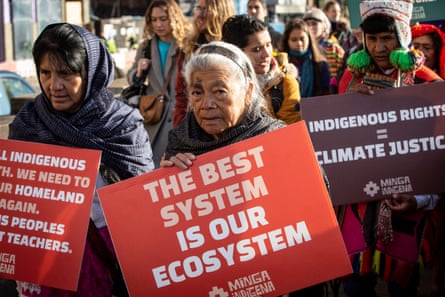
 JackMex