@paco we as a society have been in serious "cognitave debt" for decades. Computering became a shit sundae of frameworks on top of containers within VMs floating in a cloudy cluster sauce of somebody else's servers that no single person knows WTF made this all work.
Then #LLM based #GenAI came along and we are not just in debt we are now Cognitively Bankrupt. I thought we hit rock bottom when web designers started saying they needed 32GiB to build their fekkin' websites but then all...this...came around and we started telling Rube Goldberg to hold our beer as we cooked the planet to make computers be bad at math and make memes and tacky art and write bad code and invent new and incurable injection vulnerabilities.
Inventing snappy new terms for shitty old problems is just another sign of how things are spiralling faater and further down the toilet TBH.
I'm not bitter I'm just a cynical old Gen X man. Whatever I don't care 
 Paco Hope
 bhaugland
 Mark Shane Hayden
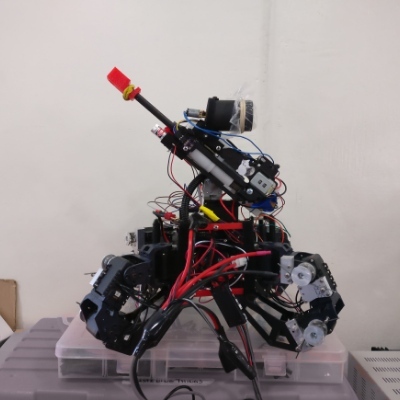 Very Human Robot