Open Science Day 2025

as the event is held in english, I'll switch to english as well. :)
Jutta Mata, @unimannheim's Vice-president for Research & Career Paths in Academia, opens this 7th edition of the #OpenScience day. she is happy about the big interest not only in this day, but also in the work + organization of the Mannheim Open Science Office: https://www.uni-mannheim.de/open-science/open-science-office/
#OSDMA25
Open Science Office

Sabine Gehrlein, the university librarian, is happy as well about the many participants (among them also some from various libraries, like me 😎). she gives an insight into a very positive assessment by DFG reviewers of the open access and open science activities of the library, and she thanks the #OSDMA25 organizers for making this day possible.
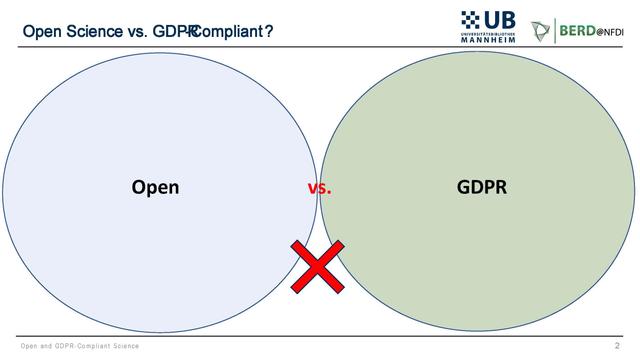
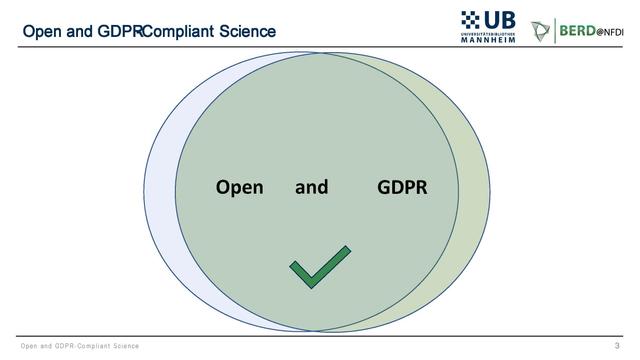
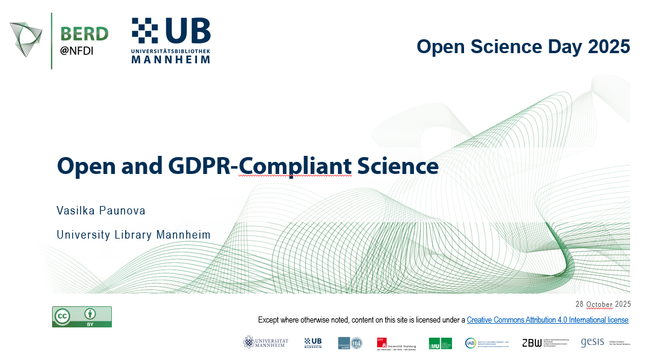
the #OSDMA25 keynote will be given by Vasilka Paunova: "Open and GDPR-Compliant Science". her main message will be: #openscience does not collide with #GDPR, but they complement each other! #OSDMA25
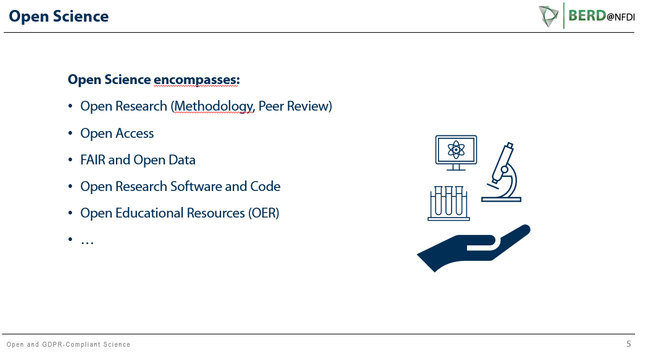
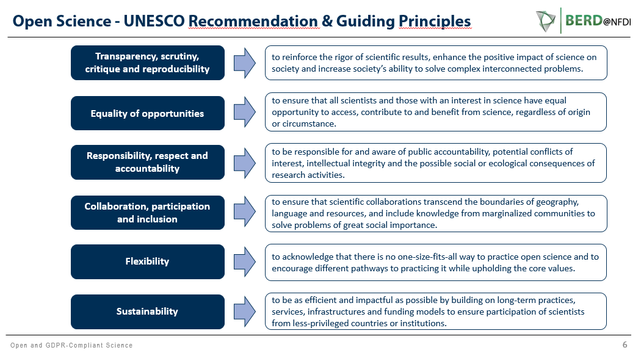
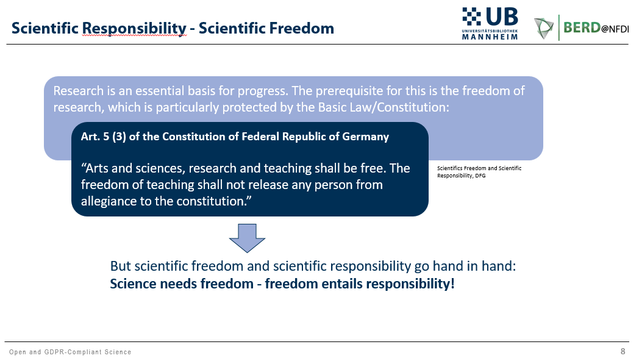
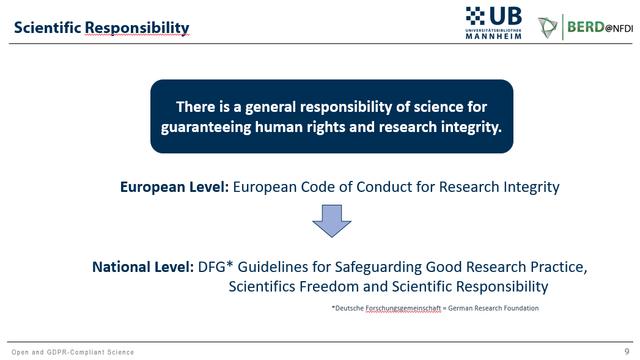
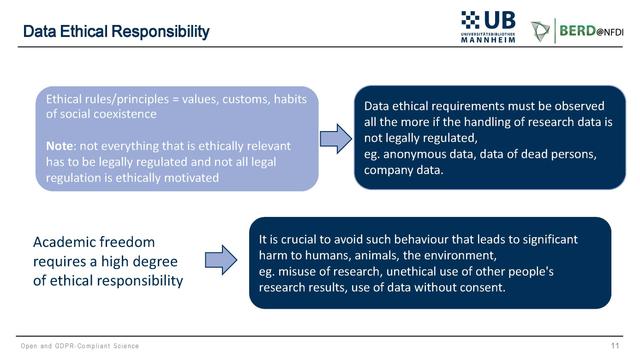
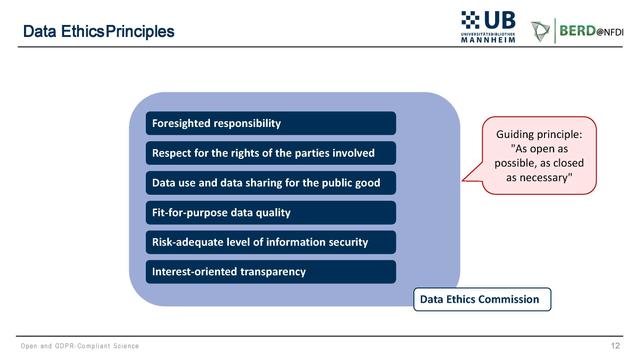
there are several guiding #principles for #openscience – and for scientific responsibility! #OSDMA25
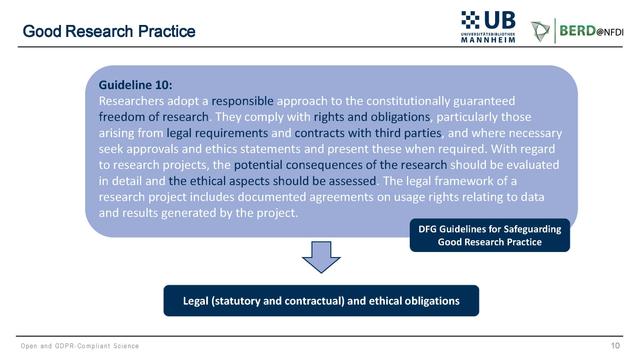
an important part of good research practice is data ethical responsibility, and also for this there are several guidelines.
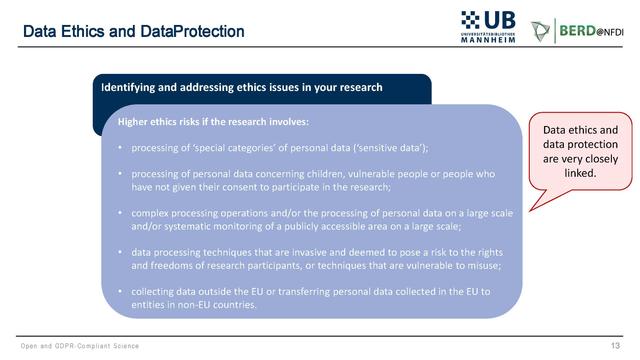
somethies there are higher ethics risks, e.g. when certain personal data is collected, if children or vulnerable people are concerned, or of data processing techniques invasive or vulnerable to misuse.
#OpenScience #DataEthics #OSDMA25
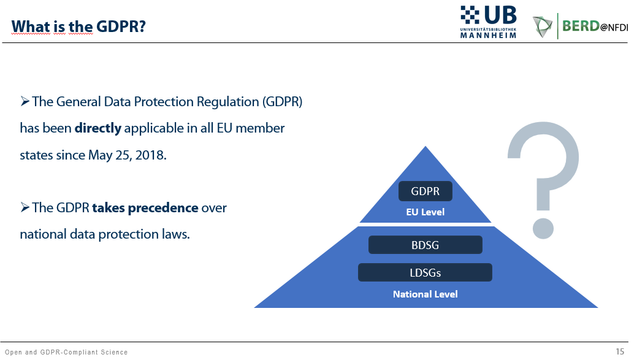
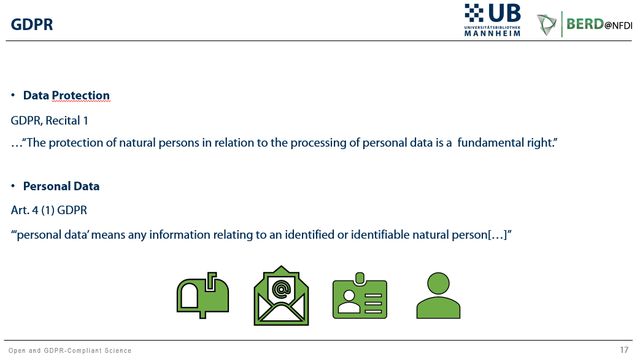
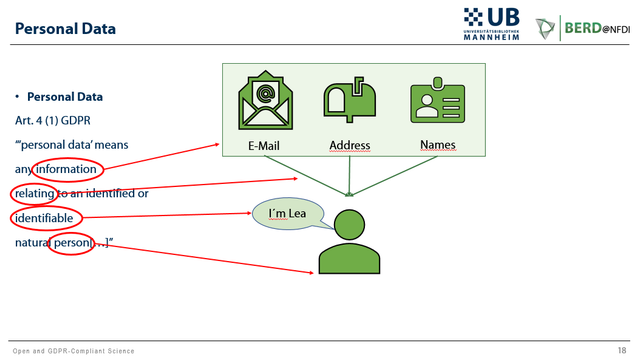
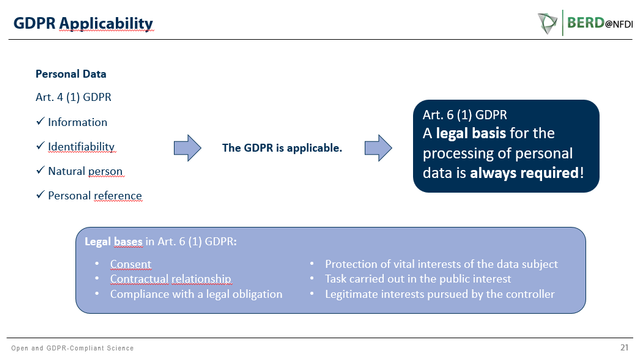
why do we need #dataprotection – generally refering to the "protection of personal data" – in research? it is important so that data misuse can be avoided. #OSDMA25
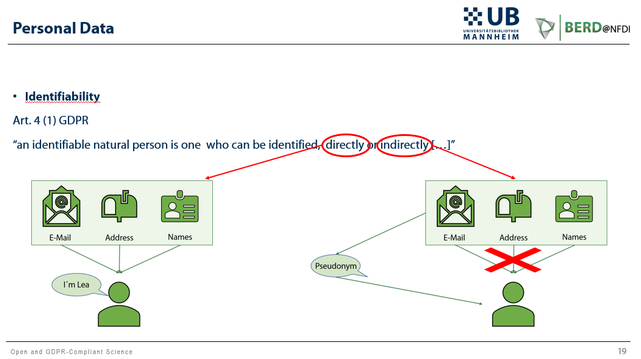
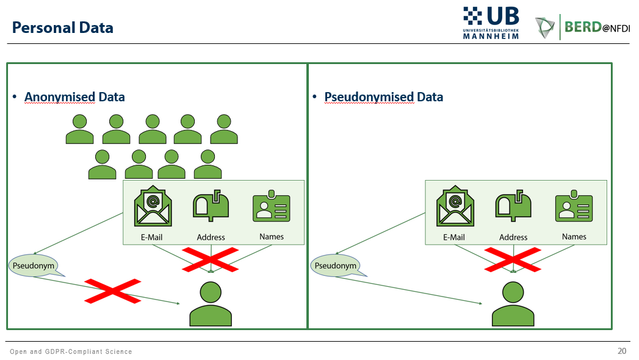
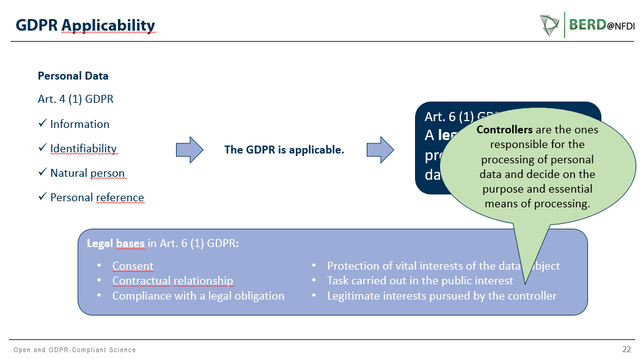
do you work with anonymised, with pseudonymised, or with anonymous data? the last one does not fall under the GDPR, but the other two do! #dataprotection #OSDMA25
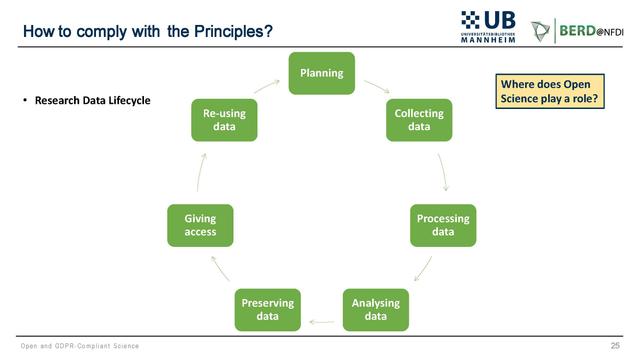
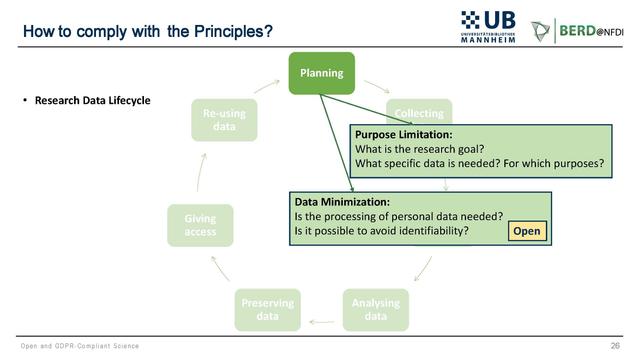
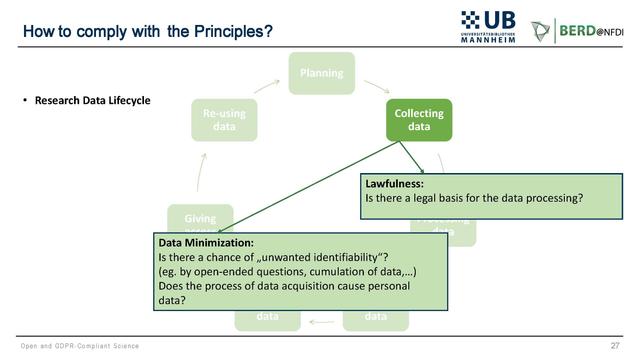
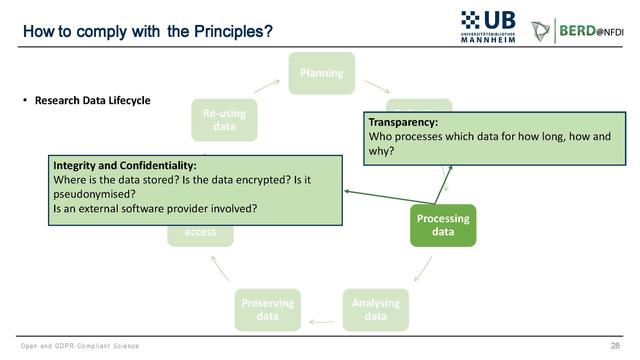
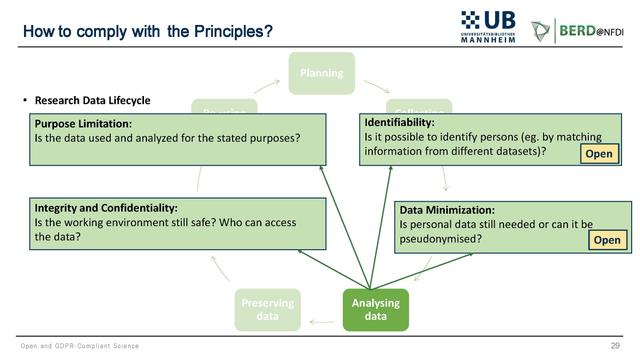
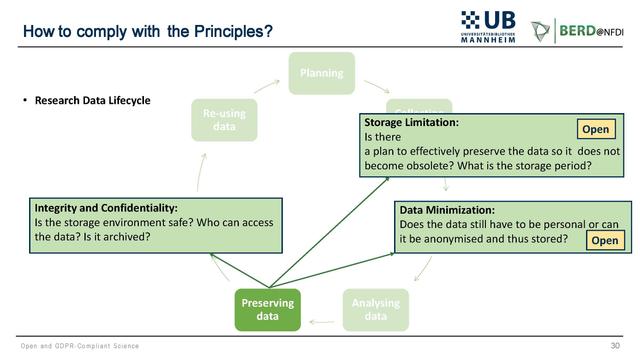
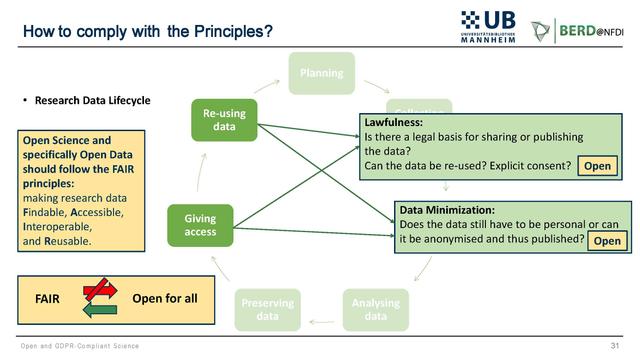
if #GDPR has to be applied to personal data in research, there are several principles to follow, many of them we already know from the UNESCO recommendations. following the research data lifecycle Vasilka shows how to comply with them. #OSDMA25 #RDM #DataProtection
the aspects regarding the storing of data also applies to non-personal data, as do other aspects as well. and of course the FAIR principles apply. important here: FAIR does not mean "open to all" automatically. but if your data should be open, it should be FAIR!
#GDPR #ResearchData #OSDMA25
for F, A, I, and R there are several #DataProtection measures available. #OpenScience #RDM #FAIRprinciples #OSDMA25
Vasilka has collected the main takeaways on #research #responsibility & #ethics + #GDPR on two slides. but #complience does not end here: what about intellectual property, copyright law, contractual obligations, ...? so think about this before sharing any material! ☝️ #OSDMA25
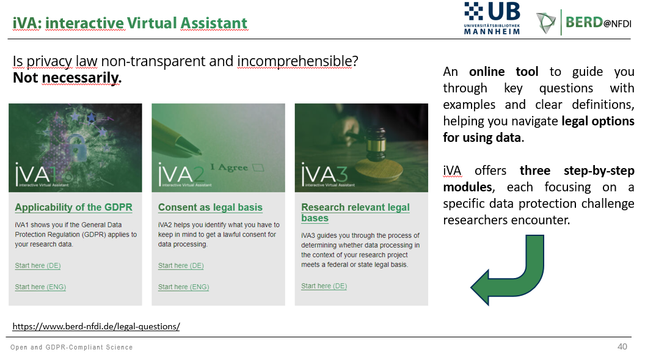
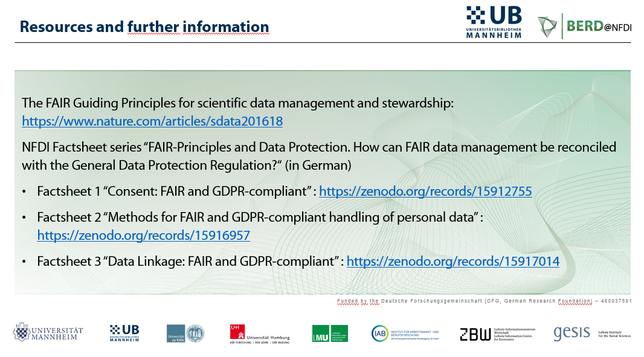
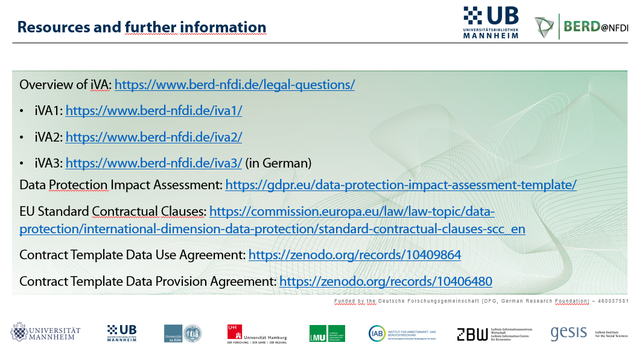
rounding up her interesting talk Vasilka provides us with a tool named "iVA", an "interactive Virtual Assistant" (https://www.berd-nfdi.de/legal-questions/) and more ressources about #DataProtection et al. 🙏 #OSDMA25
if you would like to contact Vasilka: https://www.bib.uni-mannheim.de/ihre-ub/ansprechpersonen/vasilka-paunova/
from the discussion:
does GDPR also apply to data from outside the european union? that depends e.g. on where the data is collected and processed and the anonymity of the data.
how to handle psychological data from children and adolescents? anonymize them as much as possible.
most AI companies are based in the US., and many of them don't care about GDPR, the AI act et al. what can one do about it when sharing data? raise awareness, check the anonymity of the data, restrict sharing.
#OSDMA25
and one more question: are there self-assessment tools available for this topic of data protection? not as far as Vasilka knows, and it is difficult to pack every aspect of it in a check-list. she recommends attending seminars on research skills or asking for advice at the research data management centre or the open science office of the "local" university. #OSDMA25
[lunch break now. :)]
session 2 of #OSDMA25 is called "Incentives for Open Science".
first up is Christine Emmer from the Mannheim Faculty of Social Sciences, working in Health Psychology. she will talk about "Opening Doors: Incentives and Impact of Open Science in Social Science Research".
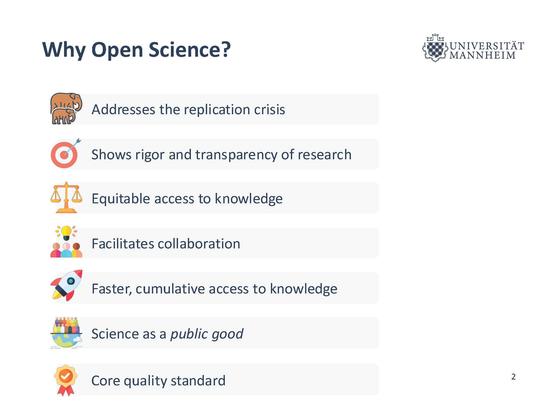
I like her slide on "why open science?"! 👌
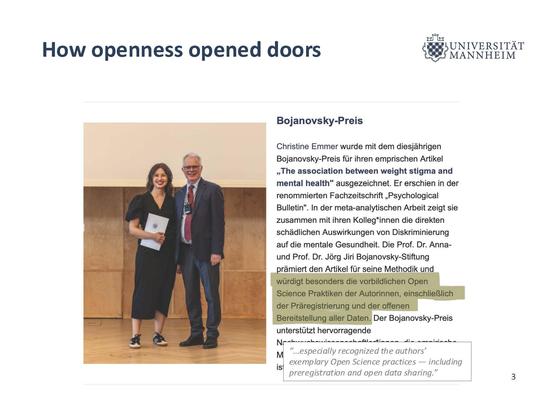
Christine has been awarded the Bojanovsky price 2024 with a special mention of her "exemplary Open Science practices", including preregistration and open data sharing – a nice incentive!
https://www.sowi.uni-mannheim.de/mata/news/?tx_news_pi1%5Baction%5D=detail&tx_news_pi1%5Bcontroller%5D=News&tx_news_pi1%5Bnews%5D=26076&cHash=464c64ed7dd812118b4aec93569ad556 [article in German]
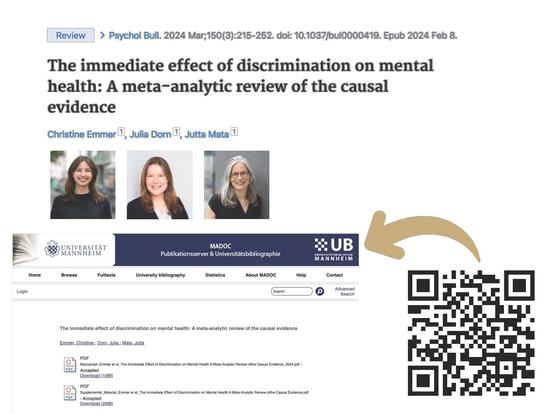
the paper on MADOC, the @unimannheim's #openaccess repository: https://madoc.bib.uni-mannheim.de/66299/ #OSDMA25
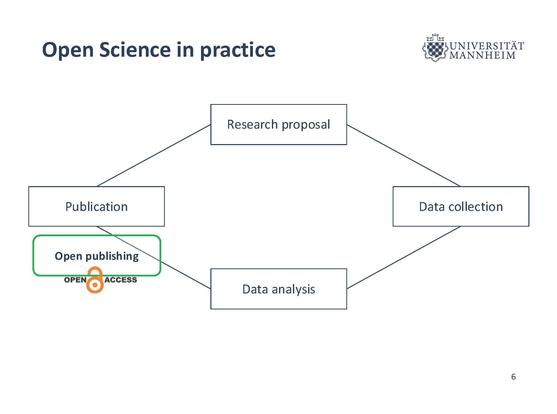
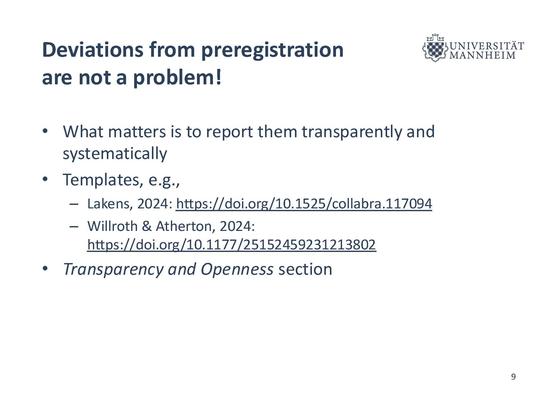
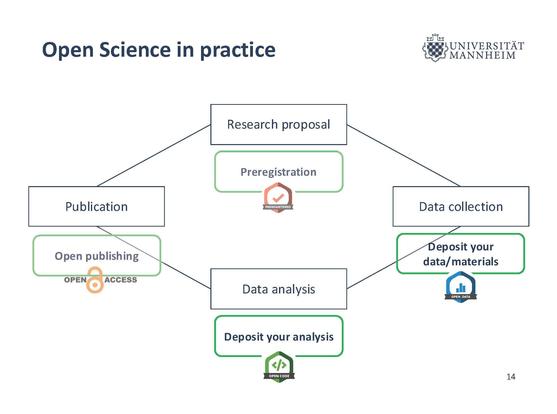
with this paper as an example she takes us through the process of "doing" #OpenScience. one important lesson learned: "Deviations from preregistration are not a problem!" #OSDMA25
also the "transparency and openness" sections of articles are not rocket science. :)
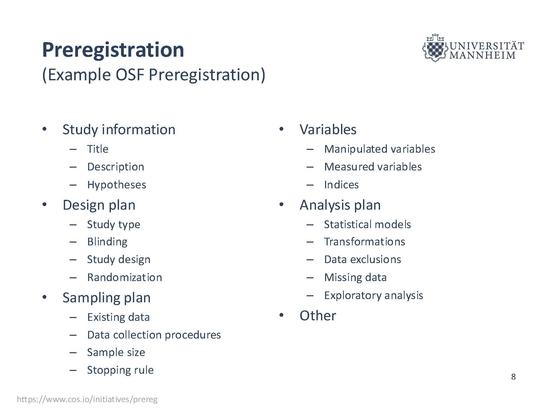
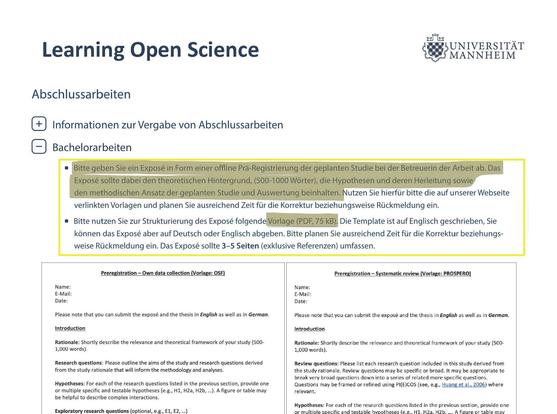
at Christine's institute they introduced preregistration also for bachelor's and master's theses. this is a bit of work in the beginning, but then very helpful.
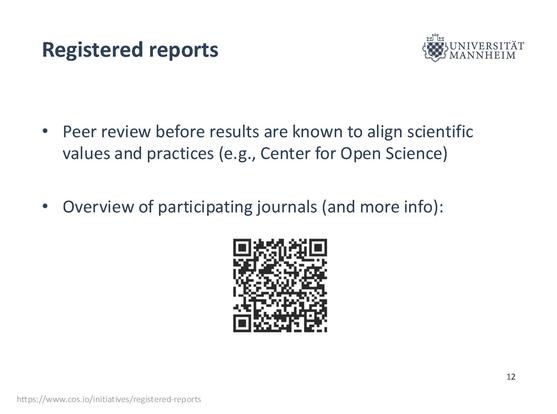
registered reports is very helpful as well: it's taking preregistration one step further, with the preregistration submitted to a journal and peer-reviewed. #OSDMA25
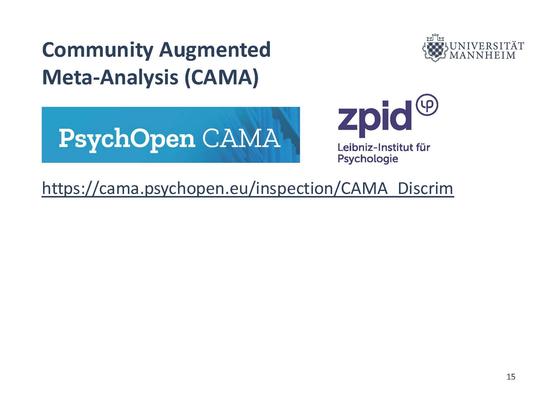
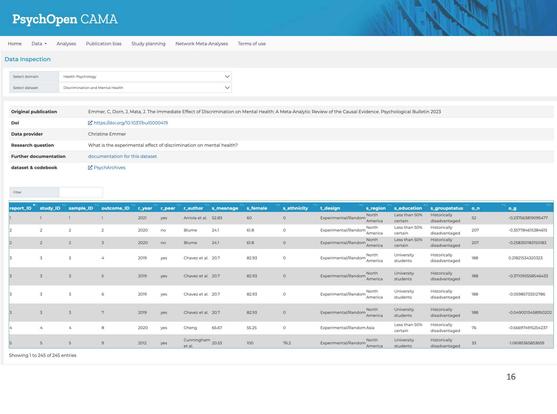
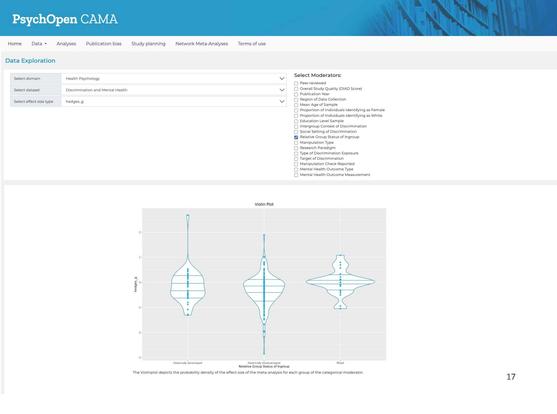
for her paper they shared the data and analysis code through OSF, and they published the data as part of a Community Augmented Meta-Analysis (CAMA): https://cama.psychopen.eu/inspection/CAMA_Discrim #OSDMA25
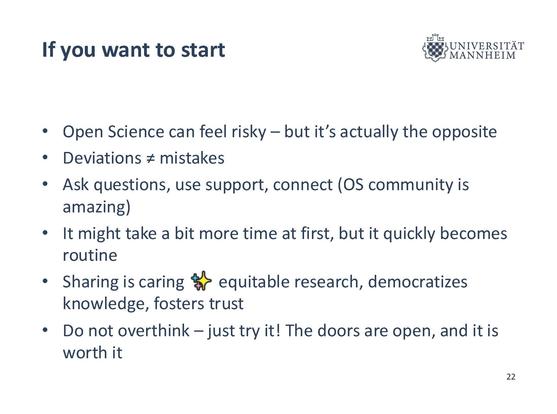
Christine has some valuable tips for if you want to start doing #OpenScience: "there doors are open, and it is worth it!" #OSDMA25
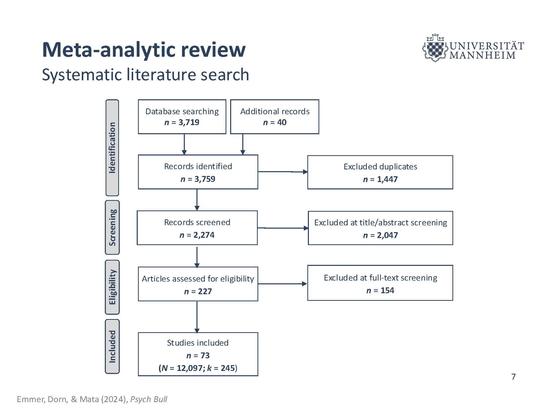
from the discussion: is the preregistration via OSF feasable? yes. should there be more meta analysis? yes. did christine use tools for selecting papers for the systematic review, or was it done manually? as they started in 2019 it was done manually, but now there are [not perfect, but helpful] tools available like e.g. Rayyan.ai. #OSDMA25
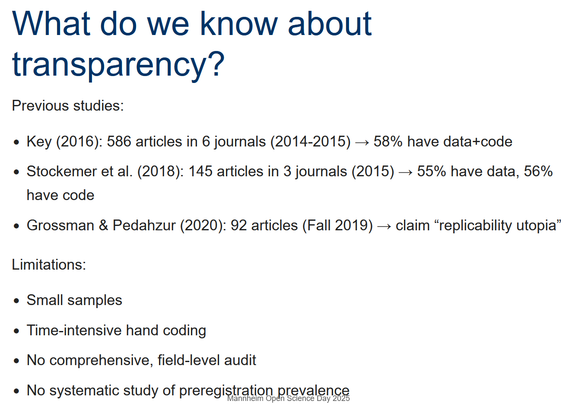
next up: Matthew Robertson, Faculty of Social Sciences, working in Social Data Science, on "From Audit to Action – Closing the Trans­parency Gap in Quanti­tative Social Science".
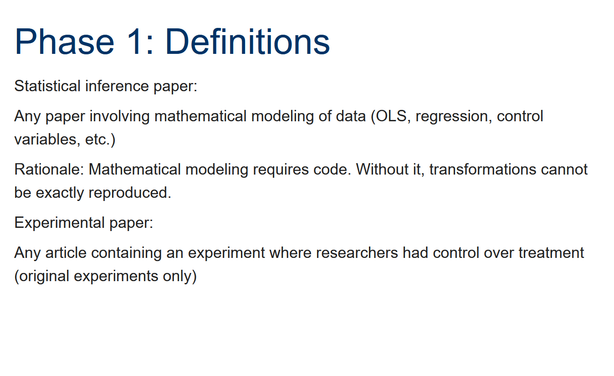
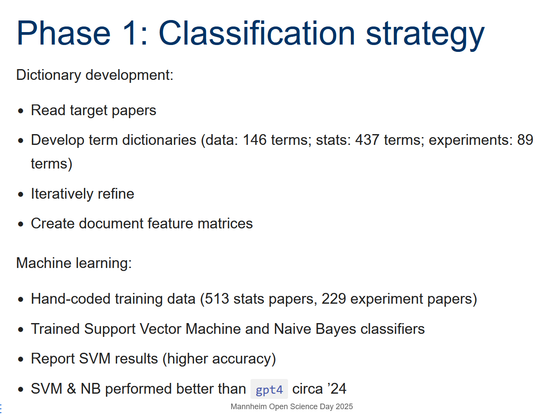
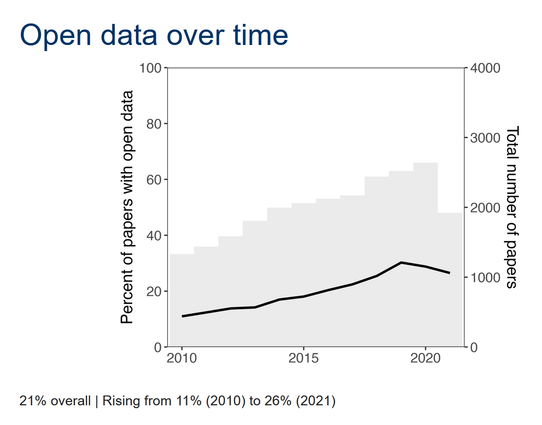
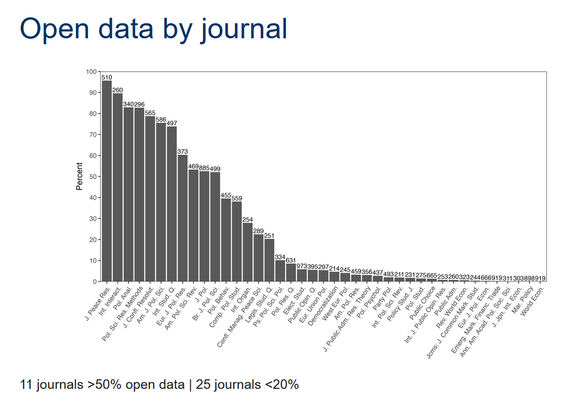
he tells us about the paper "Measuring transparency in the social sciences: political science and international relations", https://doi.org/10.1098/rsos.240313.
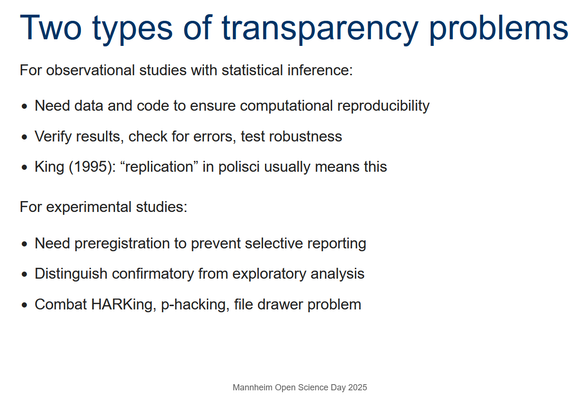
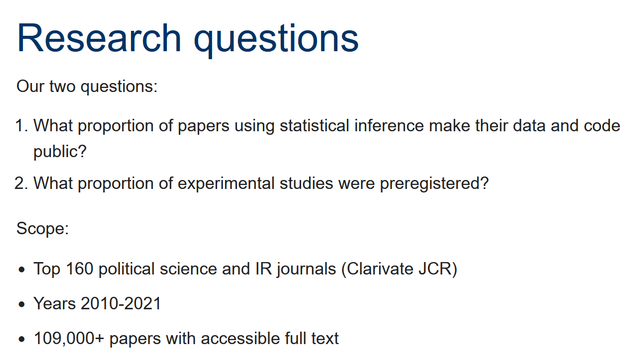
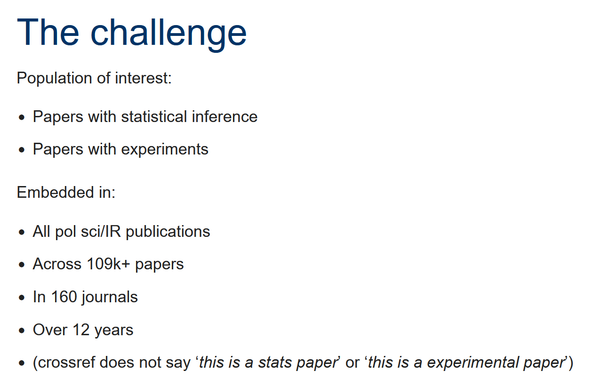
they found two types of transparency problems, and they developed two research questions. #OSDMA25
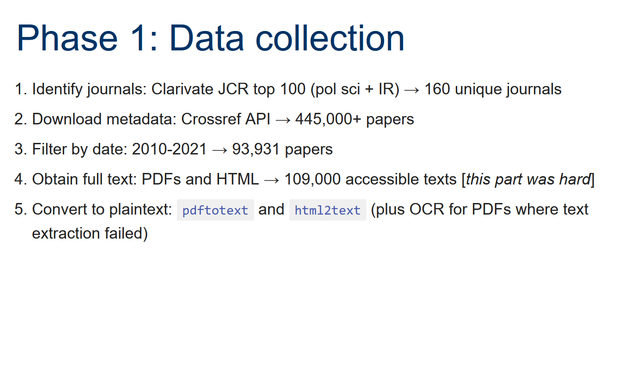
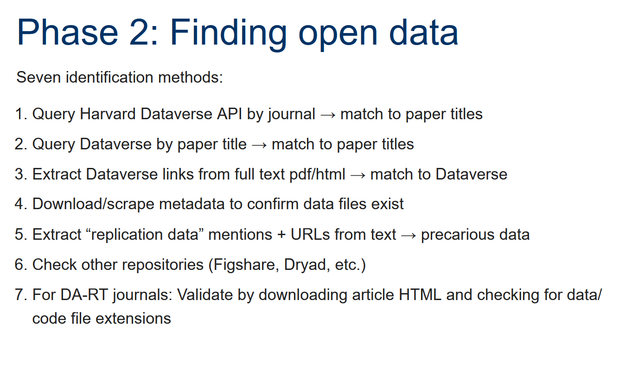
when collecting their data they even ran into trouble with the library! 🙃 #OSDMA25
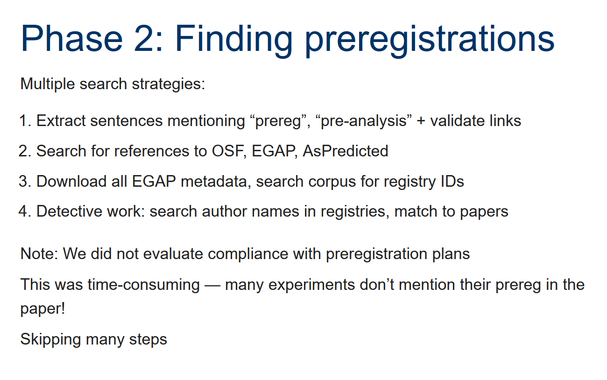
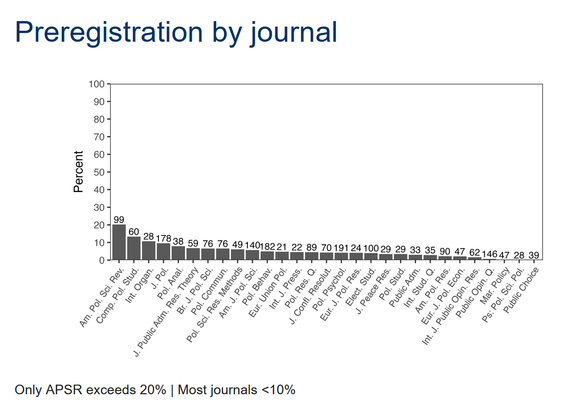
this is phase 2 of their preparation of the paper and the first results. #OSDMA25
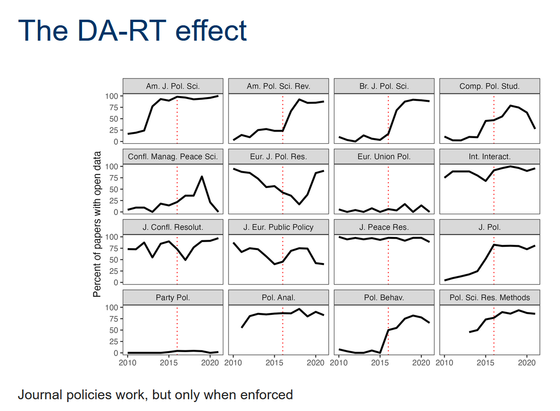
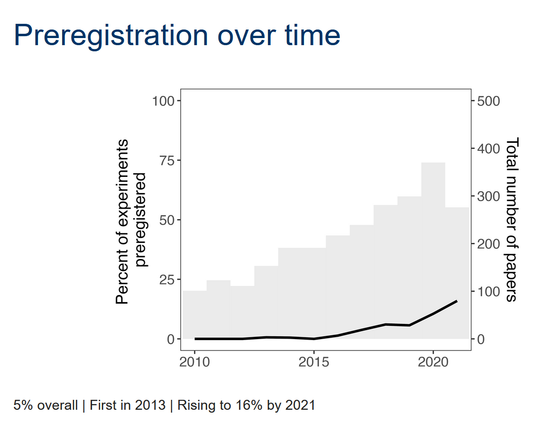
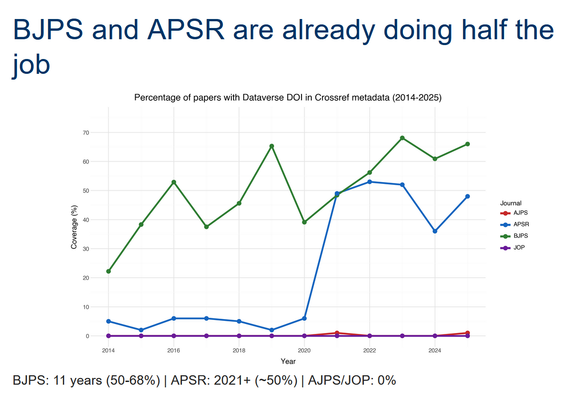
... more results ... #OSDMA25
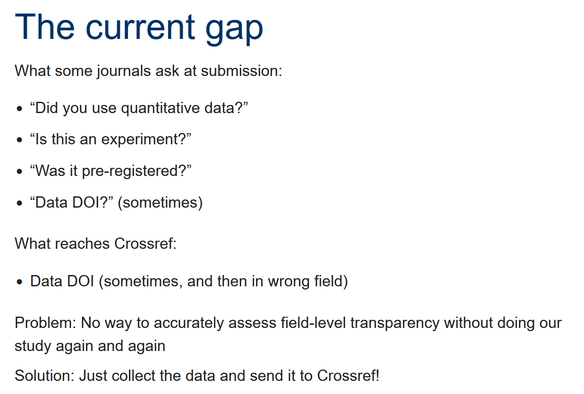
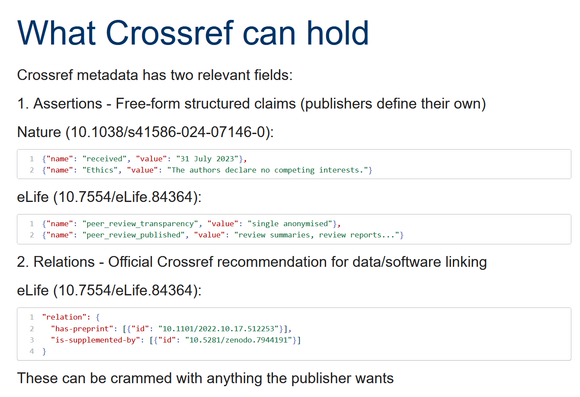
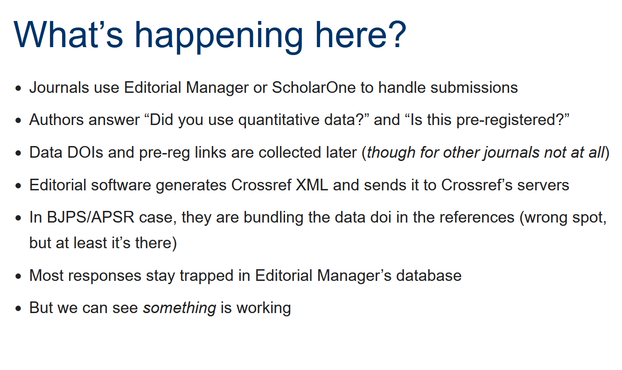
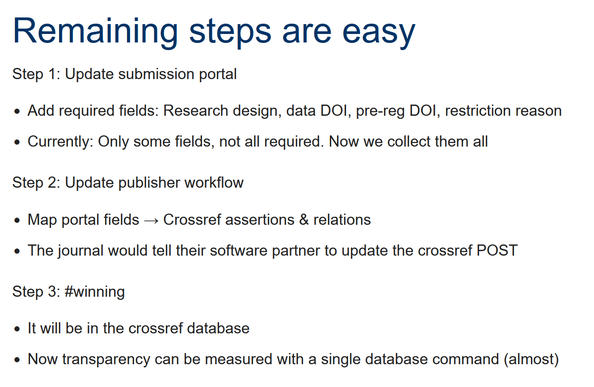
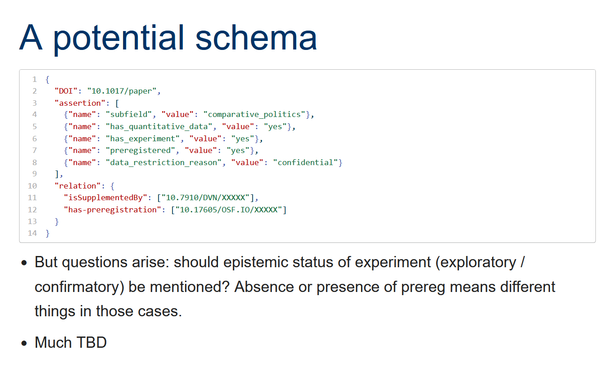
what can be done so that nobody has to do this again? "just collect the data and send it to Crossref!" #OSDMA25
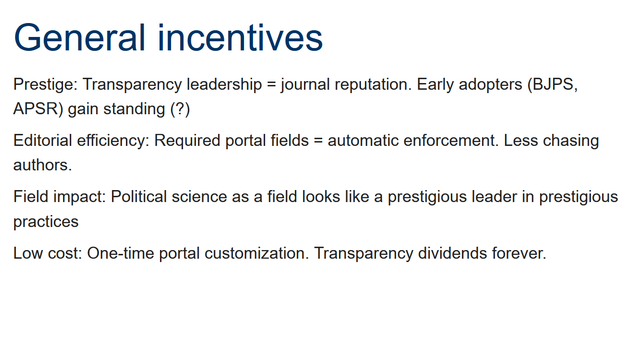
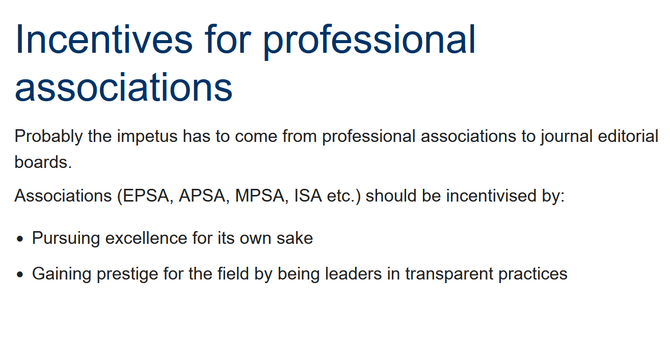
Matthew thinks that the solution he has in mind is not toooo complicated, but it might need some #incentives to get implemented and used. perhaps professional associations could act as a kind of accelerator? #OpenScience #OSDMA25