🌸FOOD FOR THE EQUINOX🍂

Food plays an important roll at Higan (彼岸 - the equinox).

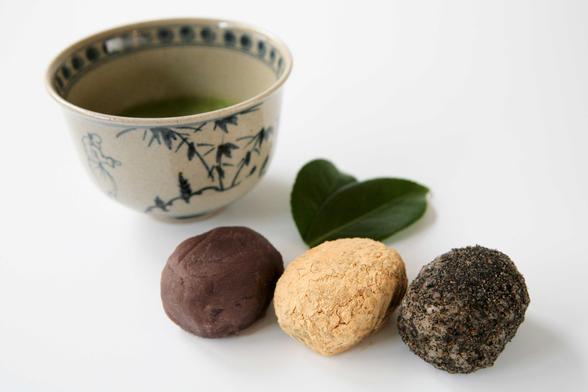
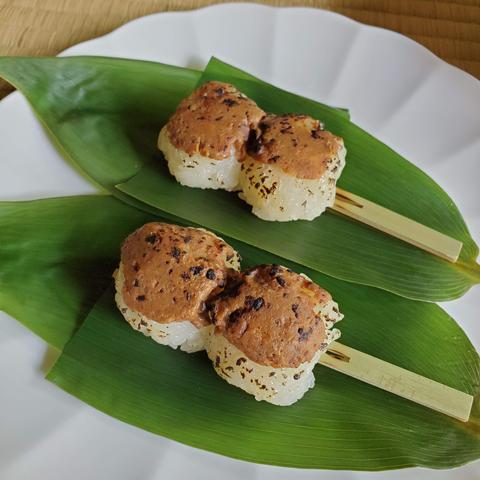
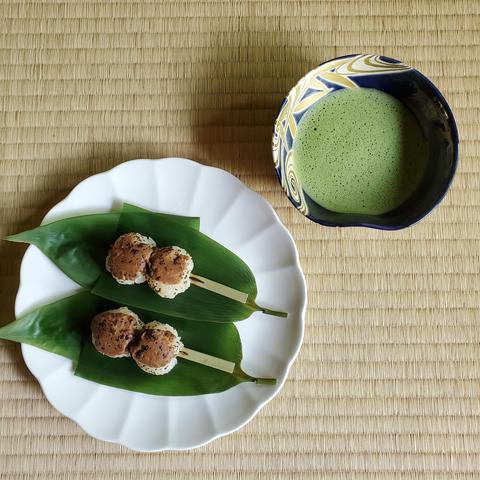
On the first and last day of the equinoctial week, rice dumplings (団子 'dango') are offered at the family altar.
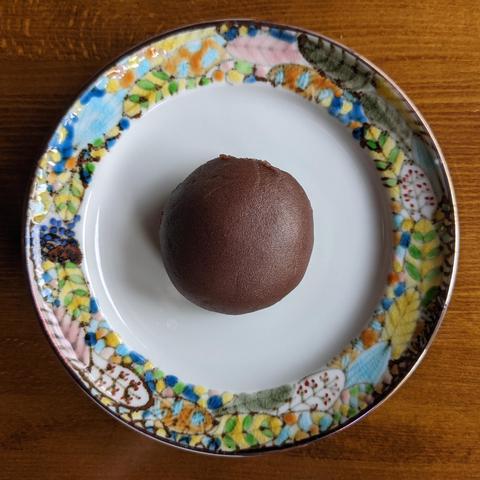
Rice cakes covered in bean jam (botamochi in spring and ohagi in fall) are presented mid-week.
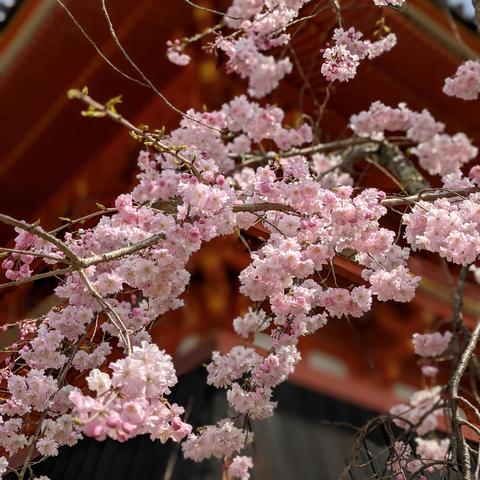
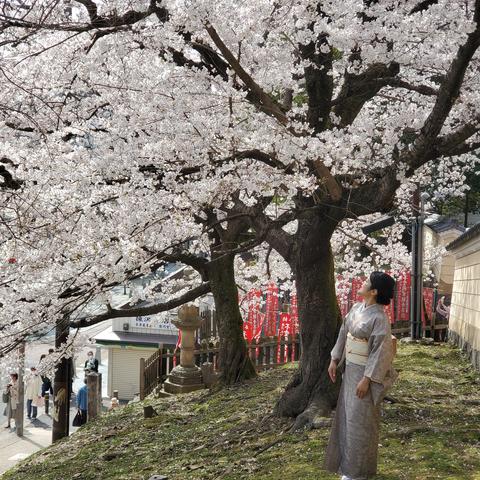
#springequinox #Kyoto

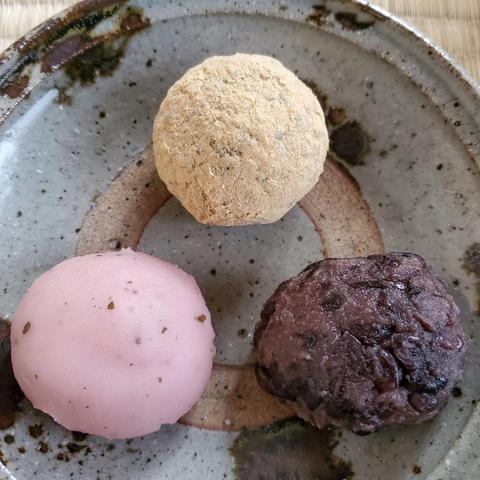
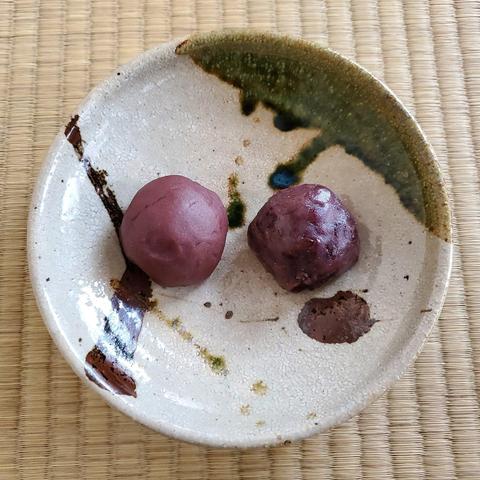
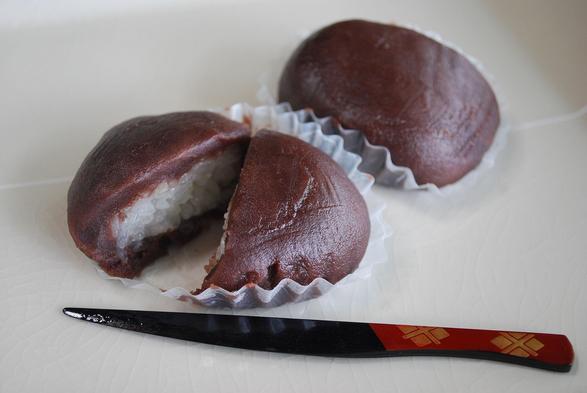
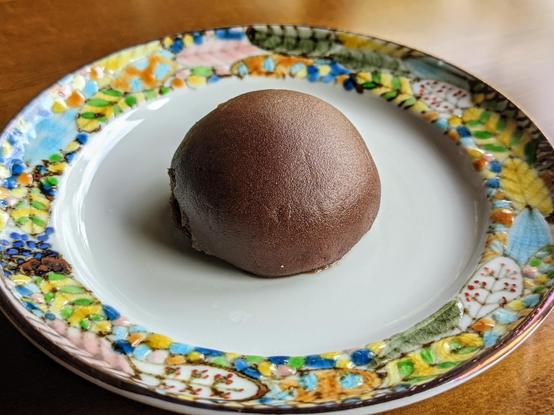
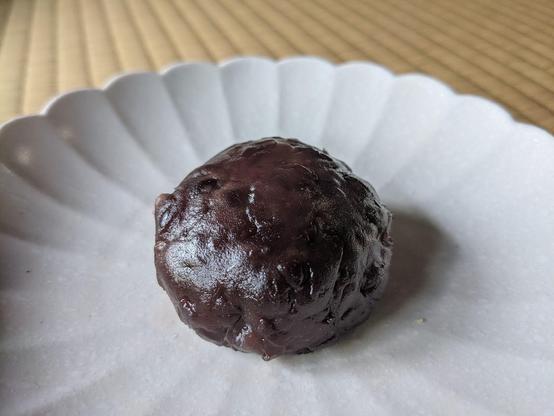
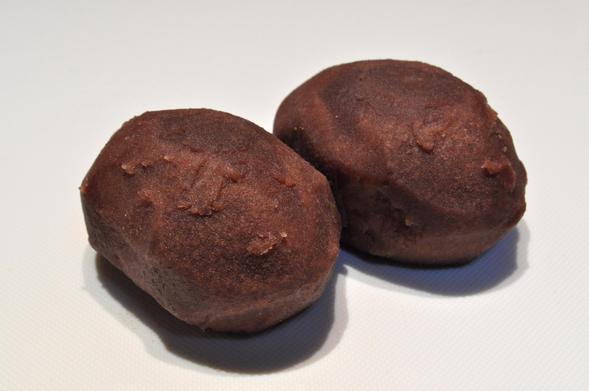
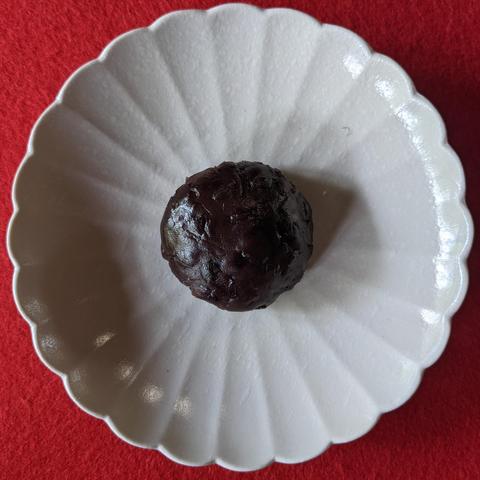
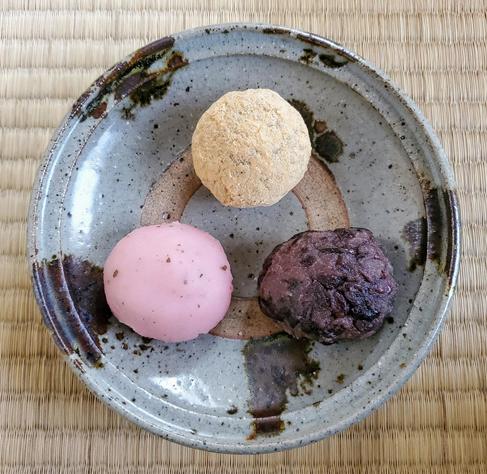
Botamochi (牡丹餅) and ohagi (おはぎ) are popular during the equinoctial weeks, when they are made as sacred offerings and enjoyed as tasty snacks.

Glutinous rice is soaked, cooked and formed into a ball. Around this ball a thick sweet bean paste is packed on.

#ohagi #botamochi #Japan #sweets #equinox

Botamochi (牡丹餅) and ohagi (おはぎ) are nowadays very similar sweets, but were previously distinguished by their shape and the texture of the azuki paste used.

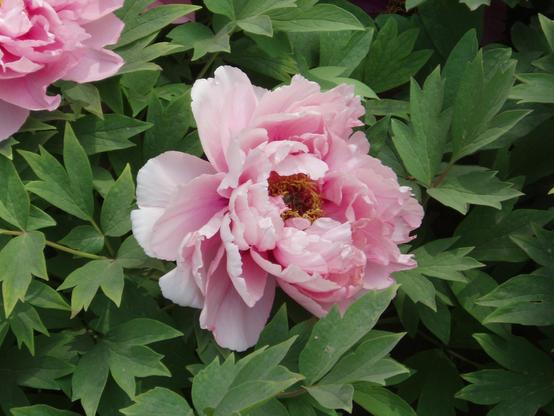
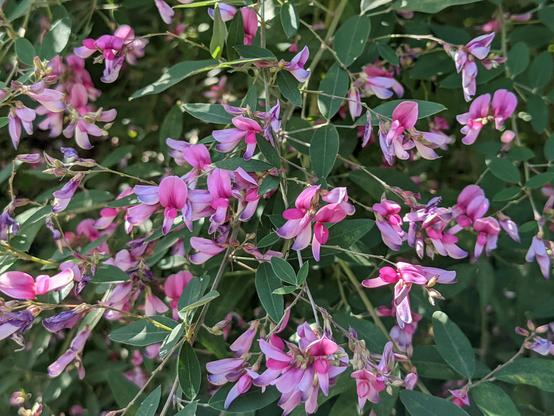
Botamochi are named after peonies (spring) and ohagi after bush clovers (autumn), denoting when they were eaten.
#京都 #Kyoto #和菓子 #wagashi

blades of grass
are plucked for their sake...
equinox dumplings
草の葉や彼岸団子にむしらるる
-Kobayashi Issa (小林一茶), 1805.
Trans. David G. Lanoue.

#equinox #spring #Japan #Kyoto #京都 #haiku #shunbunnohi #春分の日 #springequinox

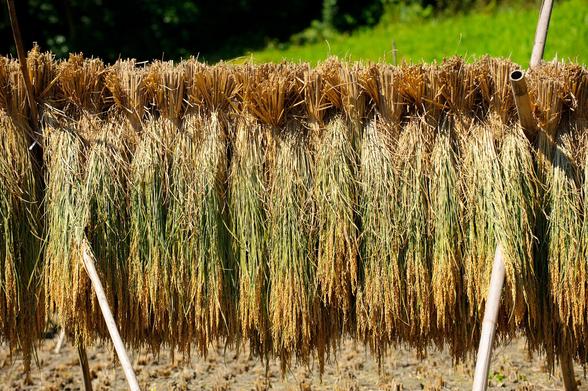
As offerings, it is said that botamochi were made as a prayer for fertility (and a successful growing season) and ohagi in thanks for the harvest🌾

Long held to be an auspicious colour, the deep-red of the cakes was believed to console ancestral spirits and offer protection🙏

#Japan #springequinox

Botamochi (牡丹餅) feature in a lovely little proverb (ことわざ 'kotowaza').

'Tana kara botamochi' (棚からぼたもち), lit. 'a botamochi falls down from the shelf'.

It means to 'receive a windfall' or get 'a lucky break'.

#Japan #autumn #botamochi #牡丹餅 #Kyoto #CamelliaKyoto

Less well known are the summer and winter versions of ohagi, available around the solstices.

Seasonal names for ohagi:
🌸spring = botamochi (牡丹餅 'peony')
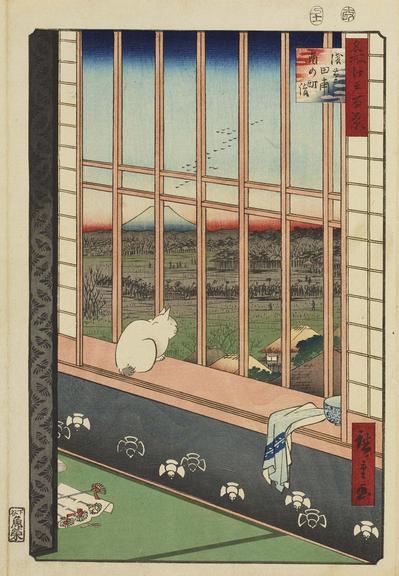
⛱️summer = yofune (夜舟 'night boat')
🎑autumn = ohagi (御萩 'bush clover')
🌨️winter = kita-mado (北窓 'northern window')

#ohagi #おはぎ #wagashi