🌤️🌸SPRING EQUINOX🐣🐇

Happy 'Shunbun-no-hi' (春分の日)🥳🌞

a straight line
all the way to Kyōto...
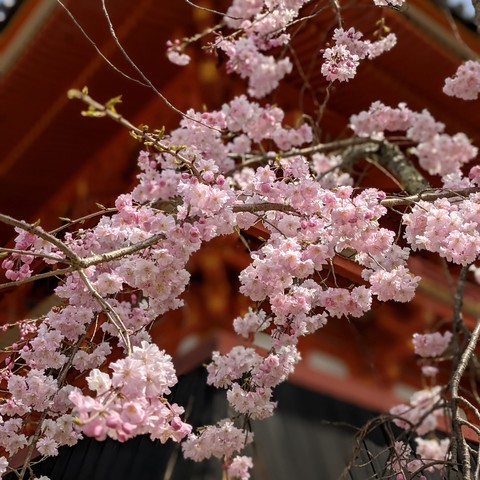
umbrella-hatted blossom viewers
京迄は一筋道ぞ花見笠
-Issa, 1822.
Trans. David G. Lanoue.

'Vernal Equinox Day' has been a national holiday since 1948.

Originally the spring equinox was taken up by a Shintō festival called 'Shunki kōrei-sai' (春季皇霊祭), created in 1878 and centered around imperial ancestor worship. In 1948 this was repackaged as a day for admiring nature and all living things.
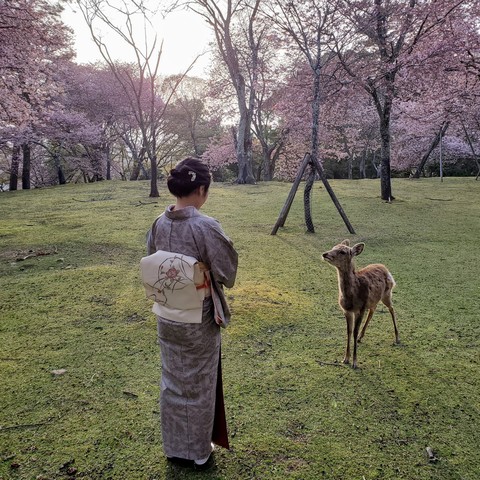
#Japan #Kyoto #equinox

In the past 'Higan-no-Nakaba' (彼岸の半ば 'Middle of the Equinoctial Week') was a time for visiting graves to honour ancestors. It was also a time for spring cleaning and for making important changes (such as beginning a new hobby or finishing an important project).

#Kyoto #Japan #Shunbunnohi #春分の日 #springequinox #springequinoxday #京都

'Heat and Cold last until Higan'
暑さ寒さも彼岸まで

Simply put 'shunbun' (春分) means 'spring division', indicating that hours of light and dark are balanced. As the (above) saying goes, the cold grip of winter should now fade to a slight chill.

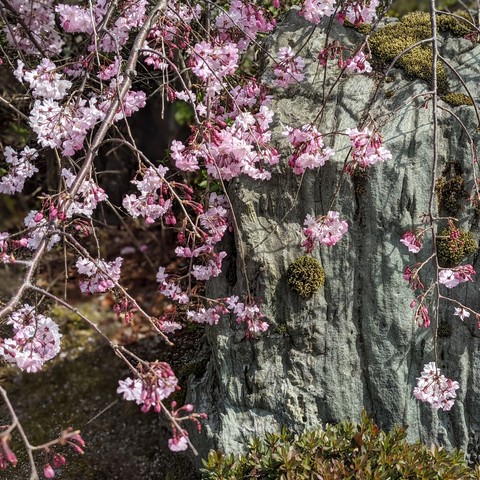
#春分の日 #springequinox #Kyoto #京都 #cherryblossoms #sakura #桜

🌸FOOD FOR THE EQUINOX🍂

Food plays an important roll at Higan (彼岸).

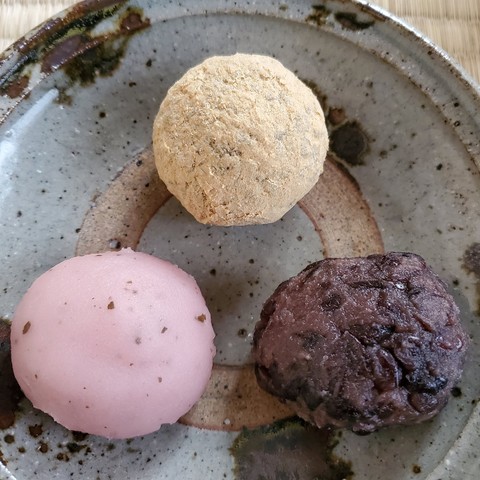
On the first and last day of the equinoctial week, rice dumplings (団子 'dango') are offered at the family altar.
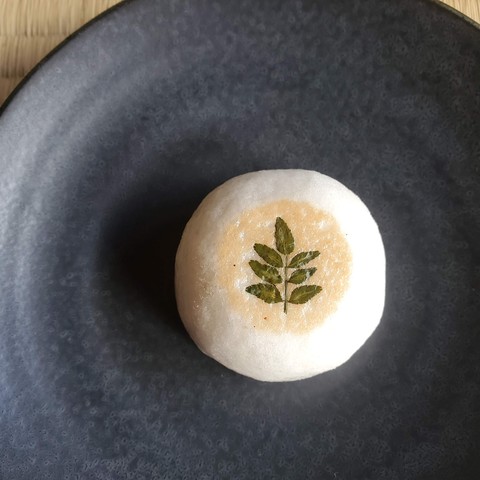
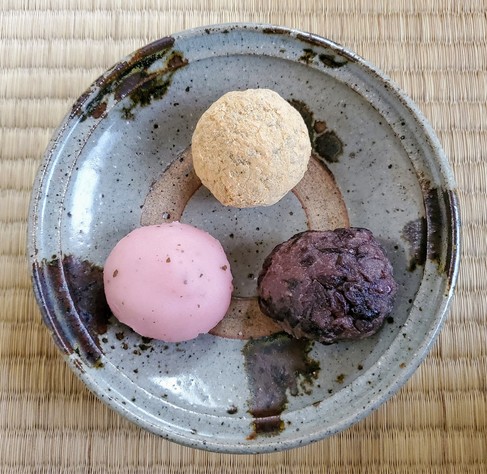
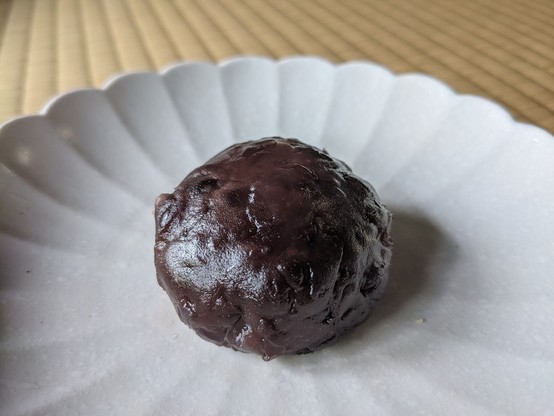
Rice cakes covered in bean jam (botamochi in spring and ohagi in fall) are presented mid-week.

#Kyoto #京都 #Japan #equinox #彼岸 #wagashi #和菓子 #botamochi #ohagi #おはぎ

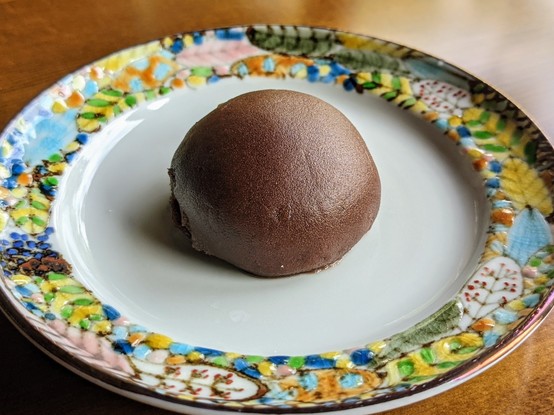
Botamochi and ohagi are popular during the equinoctial weeks, when they are made as sacred offerings and enjoyed as tasty snacks.
Glutinous rice is soaked, cooked and formed into a ball. Around this ball a thick sweet bean paste is packed on.

Nowadays very similar sweets, botamochi and ohagi were previously distinguished by their shape and the texture of the azuki paste used.
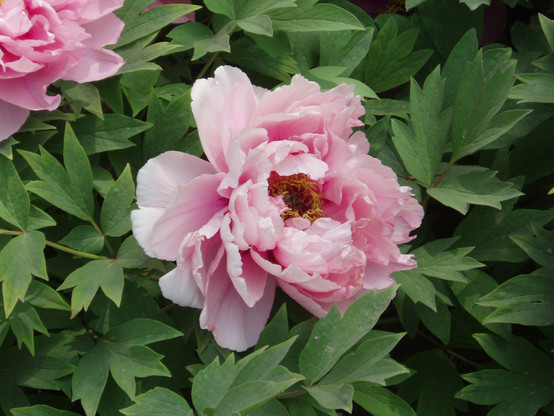
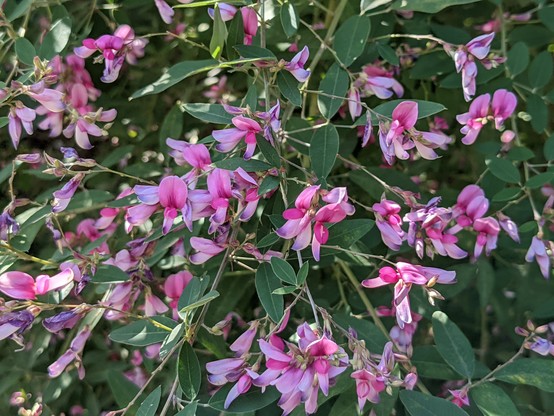
Botamochi are named after peonies (spring) and ohagi after bush clovers (autumn), denoting when they were eaten.

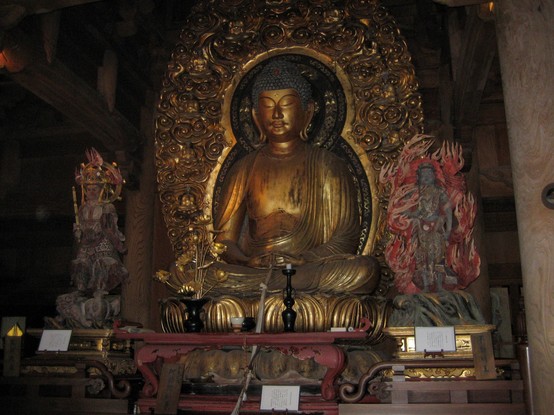
In Buddhism the equinox is known as 'Higan' (彼岸). Higan translates as 'Other Shore', a reference to the far shore of the 'Sanzu-no-kawa' (三途の川 'River of the 3 Crossings'). Similar to the River Styx in Greek Mythology, the dead would cross the river to reach the afterlife.

Complementing Higan (彼岸) is 'Shigan' (此岸), meaning the 'Near Shore'. Higan is the Pure Land (the World of Buddha), whereas Shigan is our world (the World of the Living). At equinox the world is in perfect balance.

#Japan