
“A sugar replacement called erythritol has been linked to blood clotting, stroke, heart attack and death, according to a new study. ‘The degree of risk was not modest,’ said lead author Dr. Stanley Hazen”

Wow. This is important news if you use sweeteners that may contain erythritol. Or regularly have drinks/other products possibly sweetened with it. Check your ingredients list carefully.

https://www.cnn.com/2023/02/27/health/zero-calorie-sweetener-heart-attack-stroke-wellness/index.html
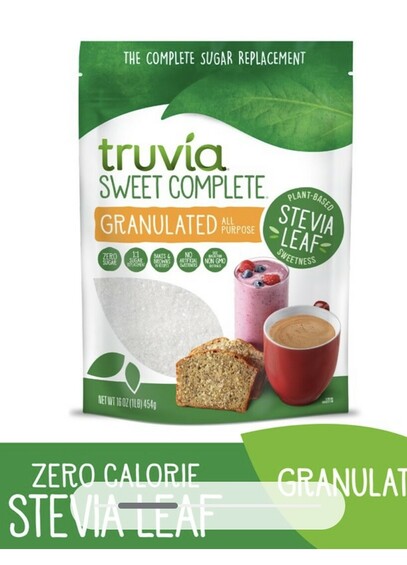
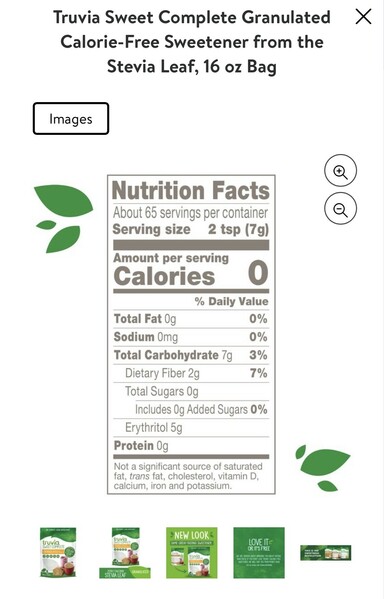
As the article notes, many products that advertise themselves as sweetened with stevia or monkfruit are actually mostly sweetened w/ erythritol (which is cheaper to produce). Be sure to read labels if you’re concerned about this risk. The study found even “normal” amounts appear to heighten risk.
“In a final part of the study, eight healthy volunteers drank a beverage that contained 30 grams of erythritol, the amount many people in the US consume, Hazen said, according to the National Health and Nutrition Examination Survey, which examines American nutrition each year.”
“Blood tests over the next 3 days tracked erythritol levels & clotting risk. ‘30 grams was enough to make blood levels of erythritol go up 1000fold,’ Hazen said. ‘It remained elevated above the threshold necessary to trigger & heighten clotting risk for the following 2-3 days’”
“Just how much is 30 grams of erythritol? The equivalent of eating a pint of keto ice cream, Hazen said…‘[My co-author] found a ‘confectionery’ marketed to people with diabetes that had about 75 grams of erythritol.’”
“‘I normally don’t get up on a pedestal and sound the alarm,’ Hazen said. ‘But this is something that I think we need to be looking at carefully.’”
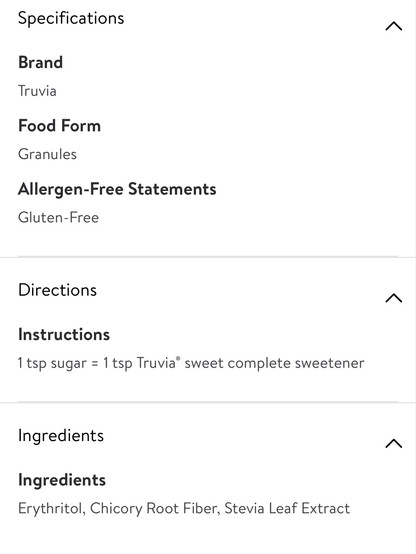
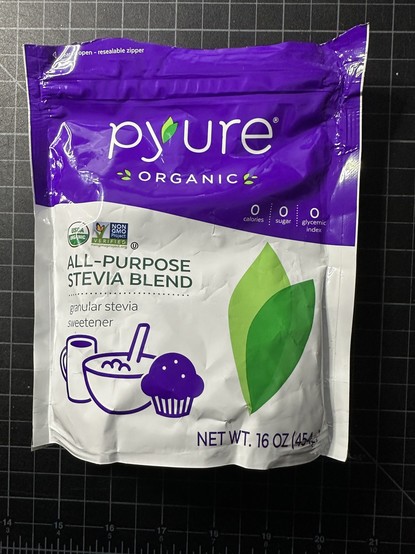
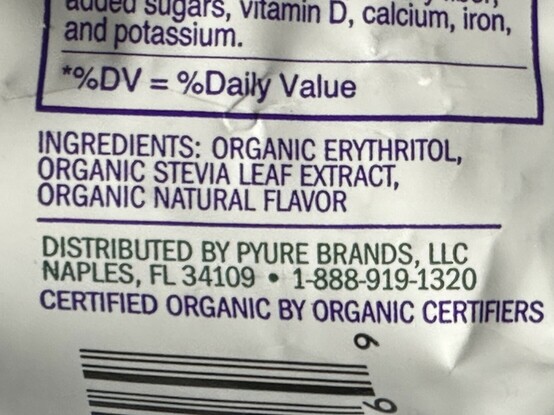
To clarify re: labels—the ingredients on back must list erythritol, but often the front of the package makes it seem like another sweetener is the main ingredient. Example: this talks all about Stevia on front but from the back you can see it’s mostly (5g out of 7g) erythritol:

@histoftech wow! An effect as strong as diabetes on cardio health sounds like no joke.

Just checked & none of my drinks have erythritol, but the "stevia & monk fruit" sweetener I use for tea does, plus some of the foods I buy for high fiber content.

@histoftech Oof. Well that is troubling. I've been a recent convert to Lakanto Monkfruit sweetener which is... mostly erythritol.
@histoftech welp. Guess I’ll just compost the bag of it we have
@histoftech
At one point in my life, I was drinking plenty of "diet" drinks and eating a variety of "low-fat" foods, etc. At some point, I realized that dieting was just causing me to put on weight and I gave up all soft drinks. When I do eat a sweet, I generally know that it's been sweetened with sugar.

@EllenInEdmonton Every study I've seen suggests that calorie-free sweeteners don't work for weight loss. Even if the chemical doesn't directly mess up your metabolism, it messes up your mental association between sweetness & satiation, so you end up craving stronger sweet flavours.

But they are still valuable for people with diabetes, who just want something sweet sometimes without thinking about the math. So misleading sweeteners claiming to be one thing & really another are really offensive.

@AmeliasBrain Yes, I understand the value of artificial sweeteners for diabetics but they've been used far too widely. Definitely ineffective for weight loss.

@histoftech

Wow, indeed! Erythritol has been thought to be a safe noncaloric sweetener, unlike various others (most of which decimate the gut microbiome). Glad you posted this.

I stopped using refined sugar, and had used erythritol a little, but had drifted away after deciding that I would prefer savory to sweet. When I want sweet I eat a piece of fresh fruit or one dried date.

Thanks for posting that.

#erythritol #sweetener #cardiovascular #health

@histoftech Damn, that's my favourite rocket fuel. Low melting point - safer to mix with oxidizer than other sugars when casting.

@histoftech

"About three-quarters of the participants in all three populations had coronary disease or high blood pressure, and about a fifth had diabetes, Hazen said. Over half were male and in their 60s and 70s."

So it doubles in this population but does not share the base line risk.

@histoftech Thanks for highlighting this. In my research for ‘Drinkology’, I discovered that a number of artificial sweeteners have been found to lead to spikes in blood sugar despite previously being thought to be physiologically inert. Health professionals often advise switching to sweeteners to help with weight loss but as more becomes known about the effects of sweeteners, they might have to think again.

#drinks #Science #nutrition #FoodScience #health

@histoftech Here is an article by Biosense giving a more balanced overview of the issue.

https://mybiosense.com/erythritol/

Erythritol - A Complete Guide (Everything You Need To Know)

Erythritol is one of the best sugar substitutes. Avoiding sugar is critical to success on keto - and with erythritol you can still make your favorites.

Biosense®
@histoftech Welll this stinks. That eliminates a sizable number of the sugar-free drinks I like. I think I’d still like to see more studies before ditching it altogether but I’ll certainly be keeping this in mind and seeing if I can find drinks with true stevia instead.
@histoftech @harshad simplest thing is start practicing sugarless drinking ha bit, it is possible and not so hard by following step by step do it!
@histoftech it seems to me from the studies on sugar alternatives that I am better off just using sugar.
@histoftech Very popular diet replacement sugar. I had a phase with buying those, when I was still stuck in diet culture. Although I want to note that "linked to" means "correlation" and correlation does not imply causation. Sick people might switch to this replacement, but their illness is triggered by other health problems. It's possible.
@histoftech This doesn’t surprise me at all. Just *taste* the stuff made from it.
@histoftech
Ugh. My stevia packets contain erythritol.
@histoftech
Yes, however, I would maybe wait for additional confirmation from other clinical studies re: erythritol. If this is verified, this is a big story.
@histoftech The results “should not be extrapolated to the general population, as the participants in the intervention were already at increased risk for cardiovascular events,” This is the key message. The article also says more research is needed.
@histoftech FYI here's the publication from the study https://www.nature.com/articles/s41591-023-02223-9
The artificial sweetener erythritol and cardiovascular event risk - Nature Medicine

Metabolomics analyses reported an increased risk of cardiovascular disease associated with the artificial sweetener erythritol, supported by mechanistic studies showing that high levels of erythritol enhanced platelet reactivity and thrombosis formation.

Nature

@histoftech well… when the artificial sweeteners were discovered in pursuit of, or found to be effective as, insecticides… it’s not surprising…

From 2014:

https://www.nbcnews.com/id/wbna55332389

“In what started out as a middle school science project, scientists discovered that erythritol, the main ingredient in the artificial sweetener Truvia, is toxic to fruit flies.”

“This does not mean anyone using Truvia to sweeten their coffee or tea is in danger.”

The lies they tell…

Artificial Sweetener Could Be Used As a Safer Insecticide

A natural, non-toxic insecticide might be in your kitchen, a new study says.

NBC News