i got a new Apple! 🧵
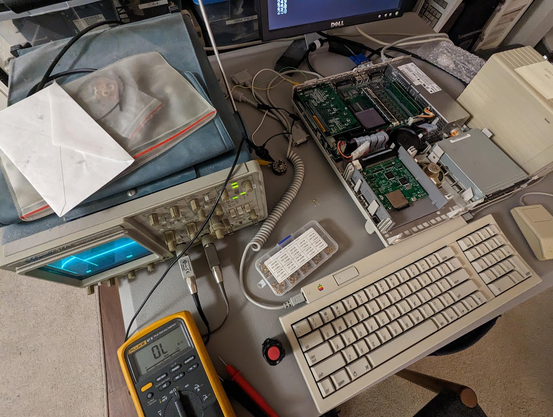
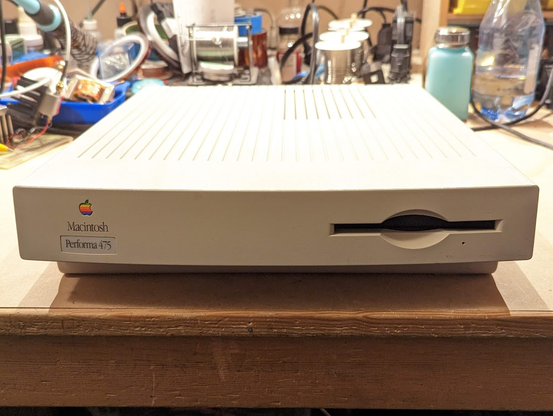
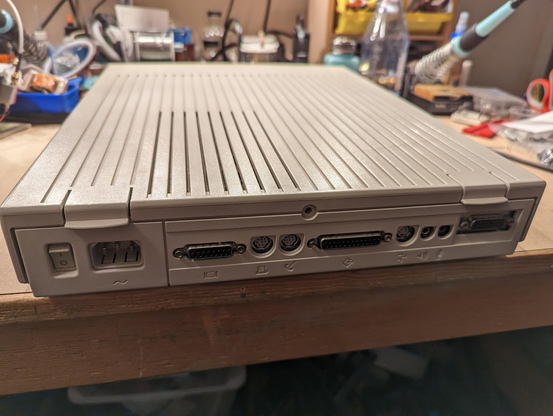
yes, it's a Performa 475. i like the slim form factor.
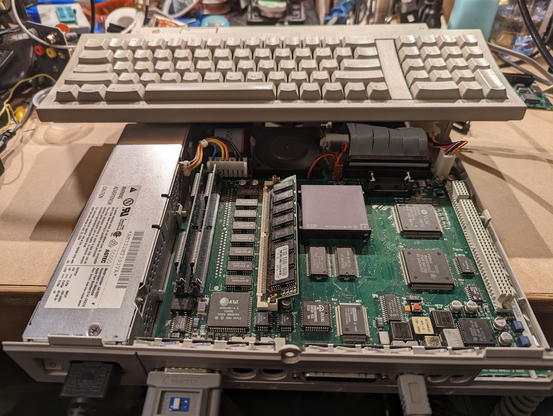
taking it apart is easy, just pull those two plastic tabs...
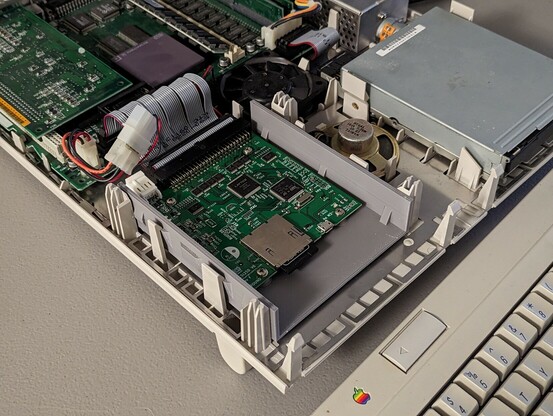
hmm, there's a card in the PDS slot.
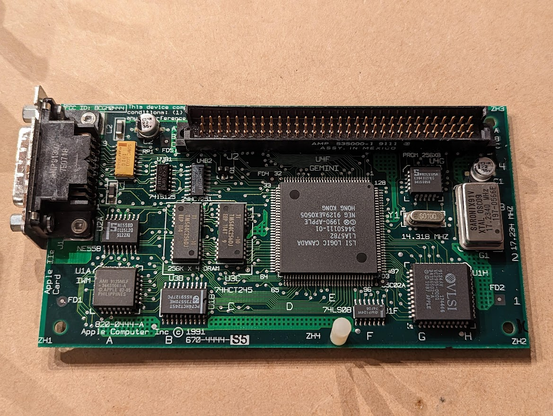
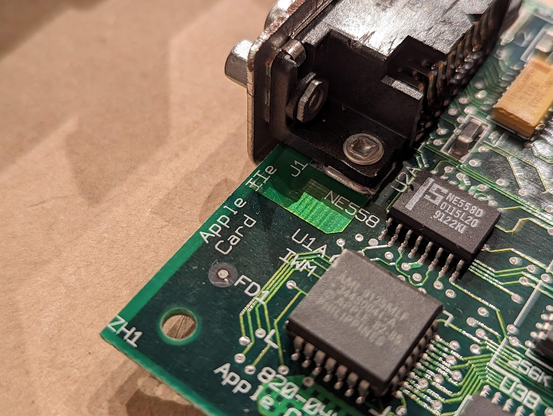
ooh, it's the Apple IIe card!
anyway, let's try and get this machine running. i have a funny feeling the video isn't going to work right...
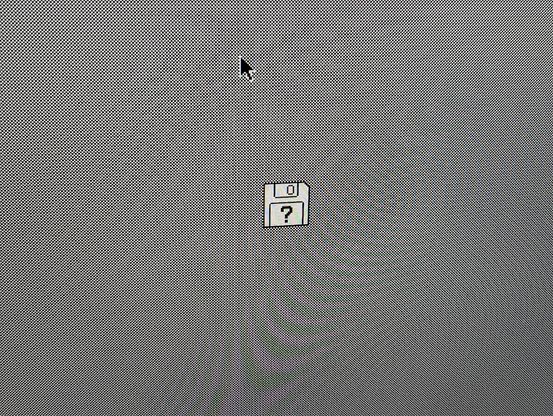
sure enough, the machine chimes, but the video is blank. but i think i know what the problem is.
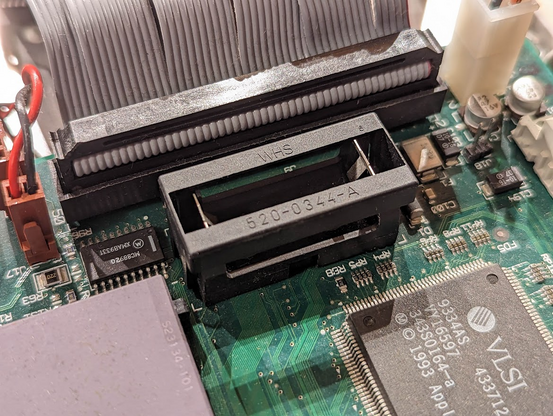
sure enough, there's no PRAM battery. these machines need that battery or you won't get video!
but where am i going to get a PRAM battery at this hour?
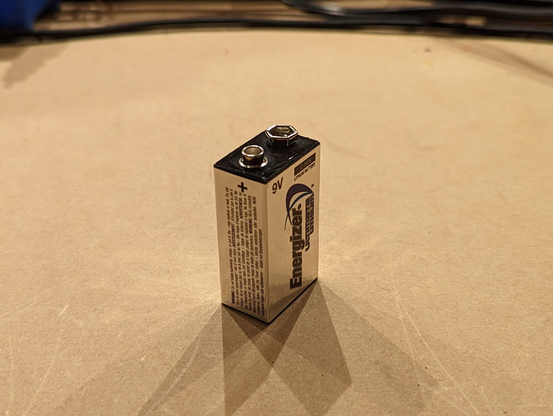
all i have is this 9V battery. 🤔
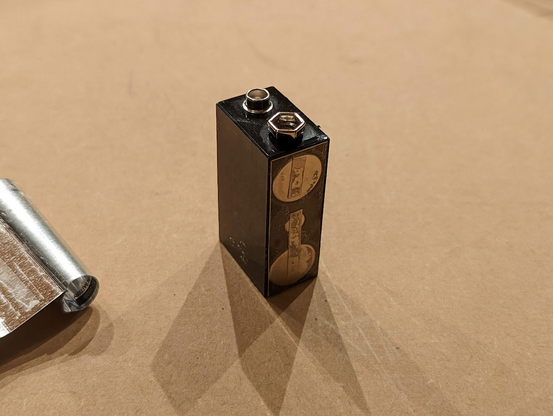
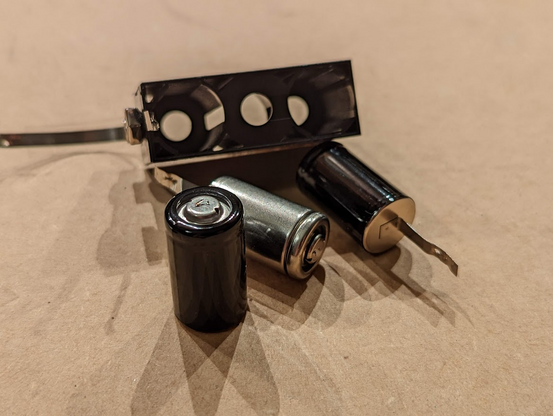
just gonna unwrap it
ahh, this looks promising
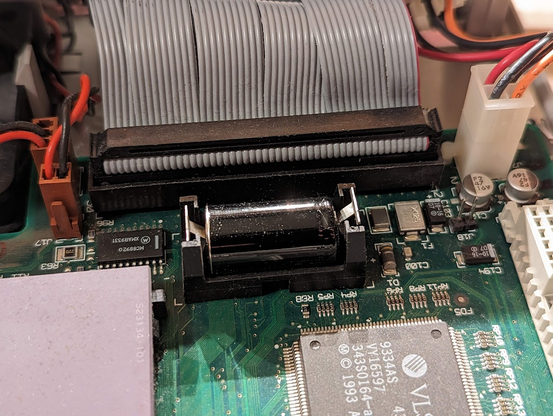
a perfect fit!
and we have working video! now for the most important question of the day: what version of Mac OS should i put on it?
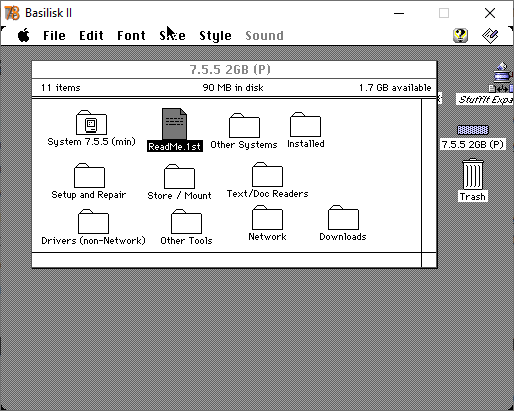
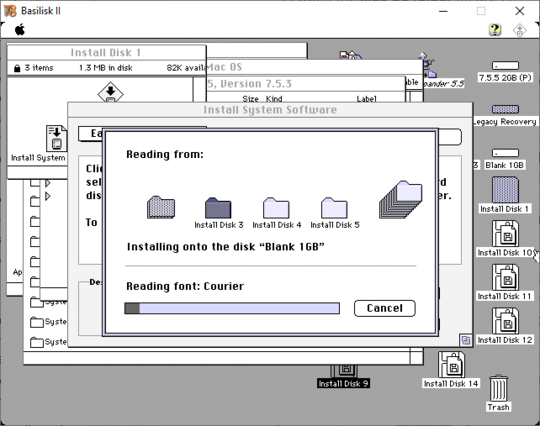
i'm going to create a SCSI disk image for my SCSI2SD using BasiliskII and the instructions at https://www.savagetaylor.com/2019/12/19/how-ive-setup-the-scsi2sd-that-i-use-in-my-lc-475/
Apple IIe Card and SCSI2SD: How I have my SCSI2SD setup for my Apple IIe card in my LC 475 – David and Steve's Blog

installing...
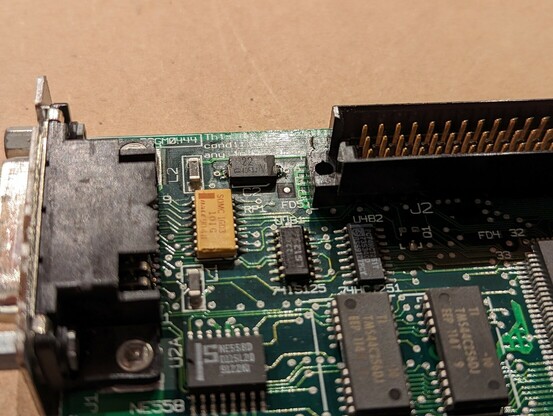
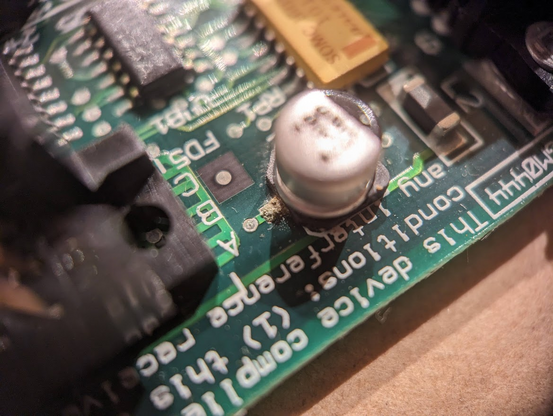
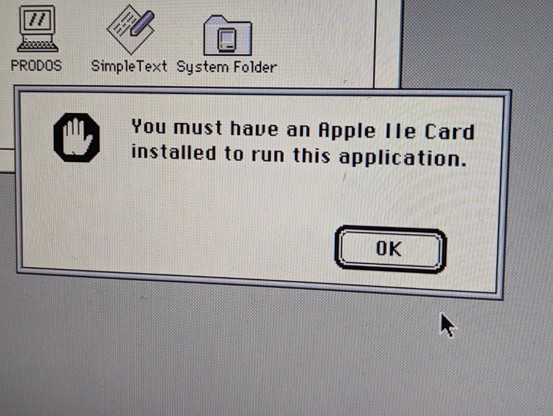
before i can use the Apple IIe card, looks like i'll need to recap it. 😬
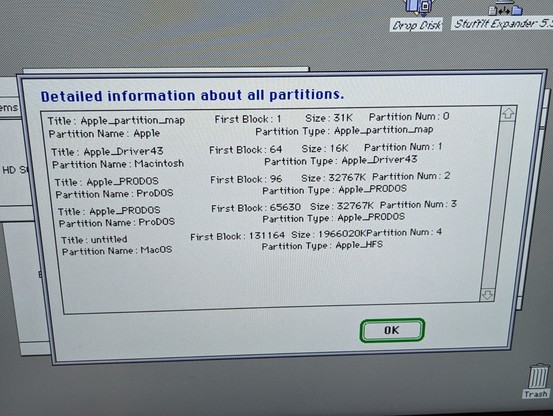
I was having trouble because I was putting the *volume* image into the SCSI2SD rather than the *disk* image. turns out partition tables are important lol
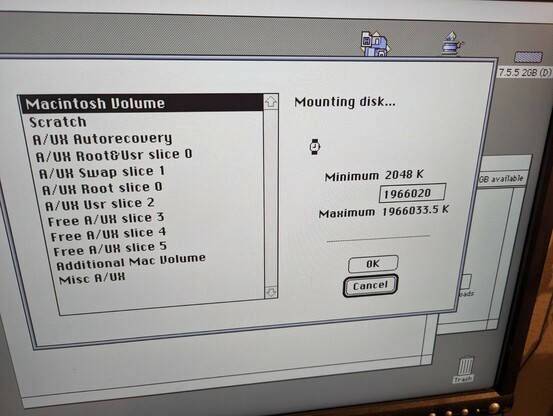
I mean it's a large volume but should it really take an hour to mount?
trying something else. unfortunately this didn't seem to work, I suspect the HFS partition needs to come before the ProDOS partitions.
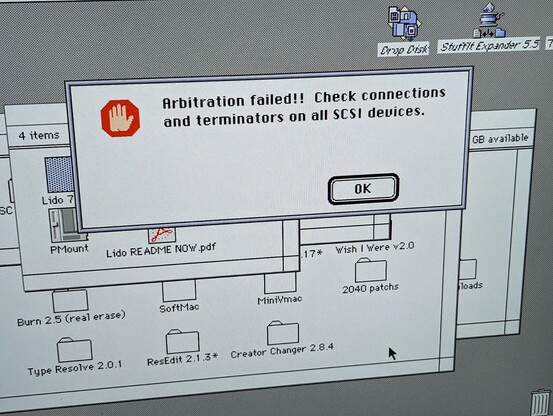
well this explains why it was hanging. there's probably some setting on the SCSI2SD that's not exactly right.
turns out this hang was caused by the SCSI2SD firmware, which was uhh shamefully out of date. with the latest version it works and i can partition the drive!
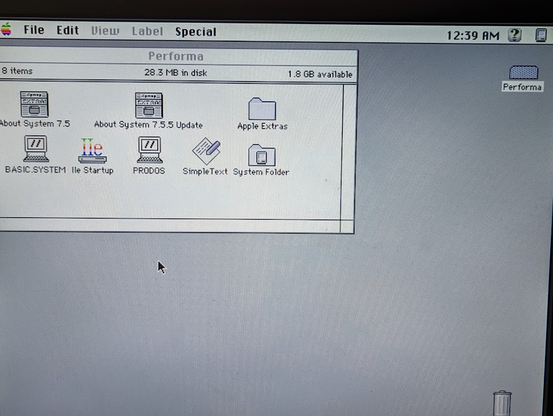
it also turns out that MacOS wants to be the first data partition (i had the two ProDOS partitions first.) but it works now!
but I still need to repair the Apple IIe card.
only had these poscaps hanging around. yes they're very fancy but they'll work.
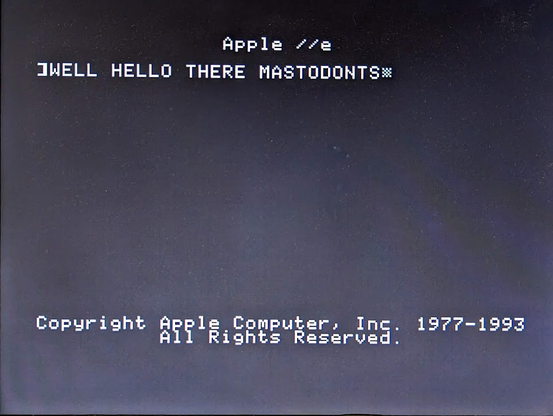
wow, it totally worked! is it an Apple IIe or is it a Performa 475? why not both!
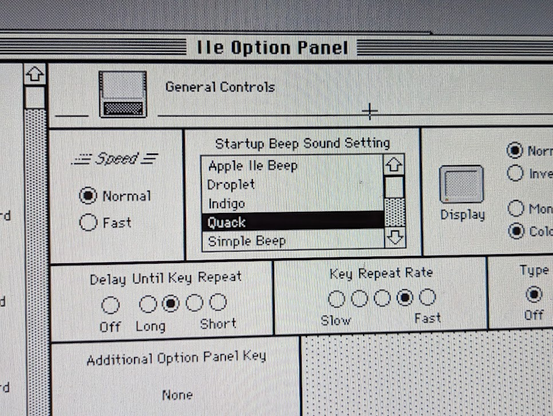
i figured out how to change the startup sound to "Quack" which makes me think of the Quapple (my Apple II ISA card that i cloned a while back)
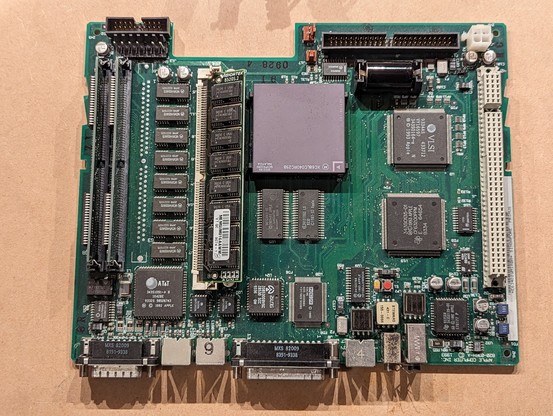
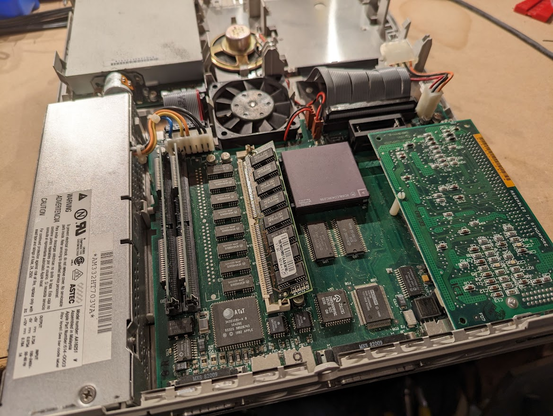
time to check the capacitors on the motherboard. there really aren't that many chips on it! I was also able to remove it without any tools. just bend some tabs and it slides right out.
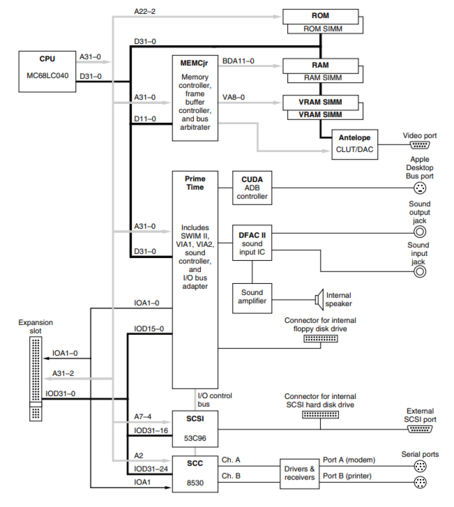
i found a tech manual. this is a very clean design. most things are tidied up into the two big custom chips, MEMCjr and Prime Time.
heh, they even put the bus sizing features in this chip. motorola removed that in the '040 (the '030 had it) and it caused innumerable problems for 68k computer designers.
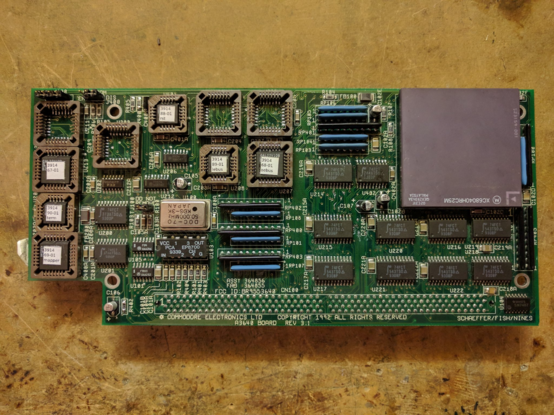
the Commodore folks solved this on their '040 Amiga CPU card by using a raft of ten (10) GALs, which burned a ton of power.
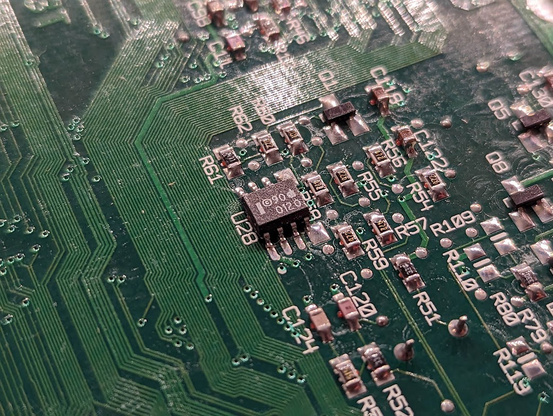
the one thing i haven't figured out is this chip.
based on the pinout i think it's a 24C01 serial EEPROM, probably for a unique serial number or something.
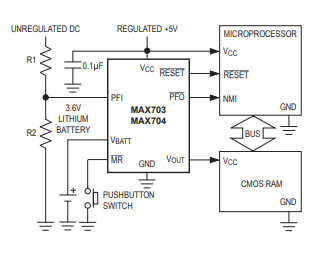
yeah i'm wrong, this is a battery switchover circuit much like the MAX703. it provides voltage to the Cuda chip from the battery, and automatically switches to the 5V rail when power comes up.
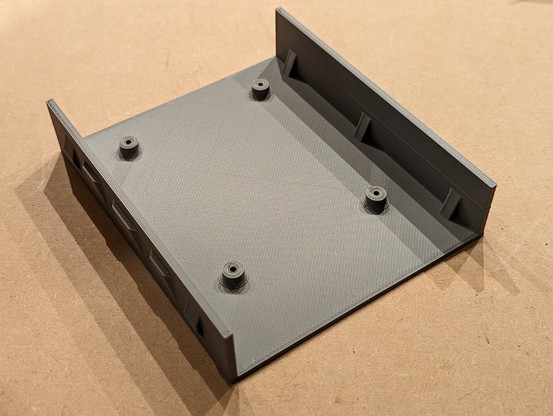
I've 3D printed a drive bracket for the Performa. it's designed to hold the SCSI2SD.
it's a little loose but not a bad fit. I designed this based on photos of a real bracket, so the dimensions are probably slightly wrong
today's status: i'm having issues with the joystick port. the machine thinks it is pegged to the lower right even when it is centered.

@tubetime that's 343S0120, often found alongside the customized 68HC05 Apple calls Egret (Cuda in later models) used for ADB, housekeeping tasks, PRAM, reset (and NMI) management, etc. IIRC '0120 serves as a power monitor, switching the HC05 to battery power when system power is cut.

...as seen here on a 630 DOS/LC580 board.
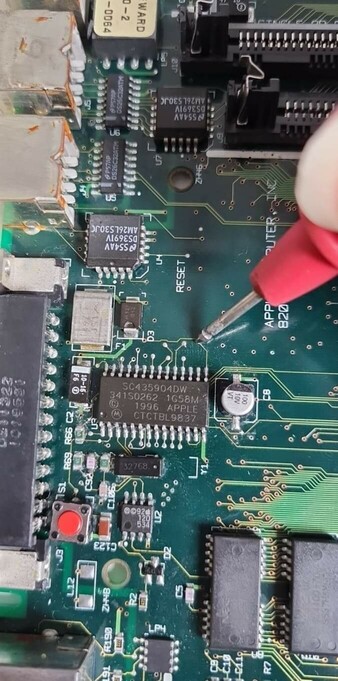
@tubetime looks like an #EEPROM for #BIOS or something...
Where to find 341S0851 (c) 1990 APPLE - LCIII boot issues

Hello All, Anybody knows where to find this MCU which has Apple programming on it? I am working on a very tired board which suffered from battery damage etc. - no boot of course. Aside from all sorts of issues and a need to replace dead CPU (yup-it looks like) it probably has bad 341S0851 chip...

68kMLA
@tubetime I feel like that's the spiritual successor of the SE's BBU which turned a half dozen or so PALs into a single chip

@tubetime I wonder why a similar situation didn't cause problems in PC land when going from 8088 to 286 bus (and again from 286 to 386)? 8-bit ISA works (mostly) fine on newer machines. I wonder if this is a port-mapped I/O accommodation?

I remember hearing- emphasis on _only hearing_- the 286 has some _slight_ incompatibilities when talking to 8-bit devices with an I/O port at an odd address. But most cards in practice didn't run into this.

@cr1901 hmm, i don't know. intel was all about backwards compatibility, so probably the CPU handled it automatically.
@tubetime Really clean! I love that they put legacy MOS 8bit VIA clones on chip, just like PC people had Intel 8bit chip clones in their Chipsets ☺️
@elosha that is a Zilog Z8530, totally different
@tubetime No, I was talking about the Show Time chip „set“. It integrates two VIAs and even a SWIM (Super Woz I… Machine) floppy controller. Apple IIe personality should feel at home 😄
@elosha ahh gotcha, i need to investigate that chip more. thanks!
@tubetime copyright 1982 on the ROM--wow!
Was this unit among the first sold in 1984?
@johnlogic no this is a later mac from 1993

@tubetime thanks!

I think Apple added the expansion port on the Mac SE; I recall working on a prototype add-on for that port in 1989. I think the port used a conventional DIN 41612 connector; this one looks like a newer, extended version.

@tubetime Definitely a #Macintosh #mainboard:

I've not seen and #PDS "slot" sockets anywhere else...
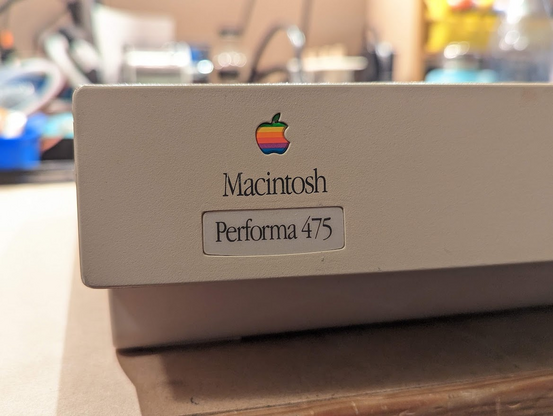
@tubetime I miss that control panel....
@natemartinsf it's super clean! also dang you're on mastodon too, i will follow you asap
@tubetime I heard all the cool kids are here now!
@tubetime Oooh that looks fun. Alas all I have in the classic mac world is a Mac SE with no slots.
But I do have a Apple IIe, so I guess that's second best.
@tubetime
I'm on a apple ii group on facebook and in the 90s I had a Performa 475 I think but never had the apple II card. There is a mastodon apple program I think?
@tubetime Memories of SE30s, Classics and a few Quadras in a graphics shop I worked at in 92. I used Filemaker Pro to manage work flow and create job tickets. Great relational database program.
@tubetime Yeah I've had mixed results with the SCSI2SD and random old hardware. A particularly weird one is suddenly the same one I've had forever stopped working on my Microvax. Used to work, now doesn't, no explanation.
Guess I should logic analyze that one.
@tubetime Seeing this is dredging up ancient memories of playing with not-new SCSI gear as a kid… staring at the baroque arrangement of peripherals, utterly confused as to why it wouldn’t just WORK.
Kids these days don’t know they have it so good, what with their “universal serial bus” and all. You don’t even have to worry about device IDs! Or bus termination!
@kgutwin it's still a confusing mess when it comes to USB 3.0/3.1/Gen 1/Gen 2/3.2 Gen 1x2/2x2 and all the weird alternate mode issues.
@tubetime wow I forgot all the partition options the Classic era disk formatting tools had.
@tubetime did it finish or did you stop it?
@predecker @tubetime I remember when my Linux installation automatically did a fsck after 20(?) mountings. That wasn't an issue until I replaced the hard disk with a quite bigger one...
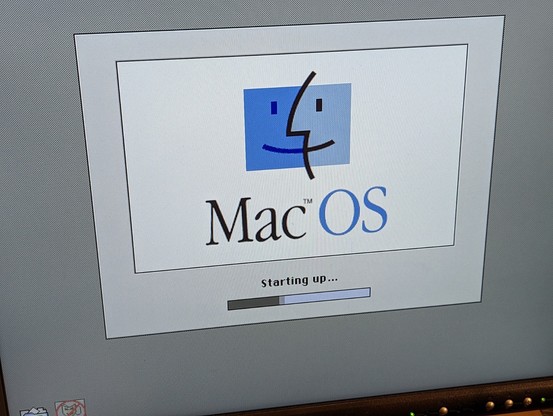
@tubetime Such a comforting boot screen. Diagnosing Extension conflicts not so much.
@tubetime Nah that's just some unmelted solder paste~ ;p
@tubetime I like to think you have a stock room full of capacitors.
@tubetime It wouldn't be fun without recapping 😆
@tubetime better to discover through corrosion than explosion