 Benchoff
Hey, I made a bunch of weird, quarter-scale retrocomputers. This is a thread, so feel free to share.
Or check out the documentation in non-mastodon form:
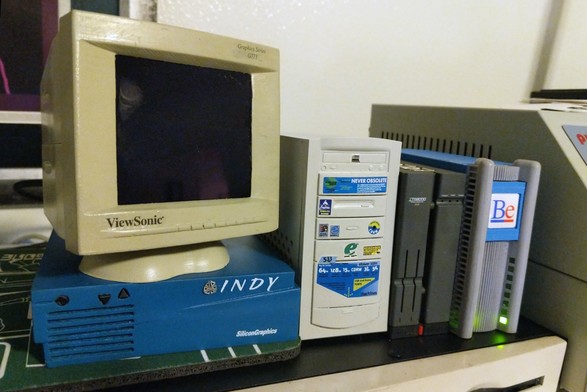
Hey, I made a bunch of weird, quarter-scale retrocomputers. This is a thread, so feel free to share.
Or check out the documentation in non-mastodon form:
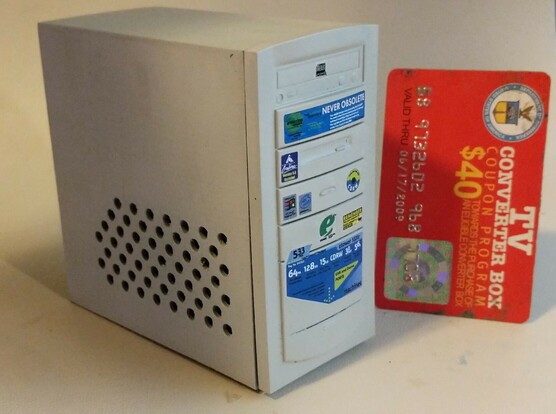
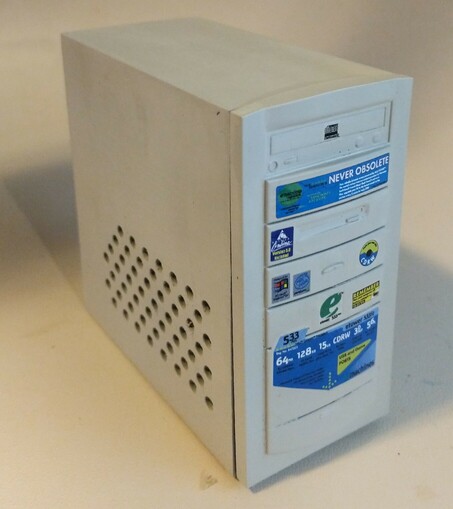
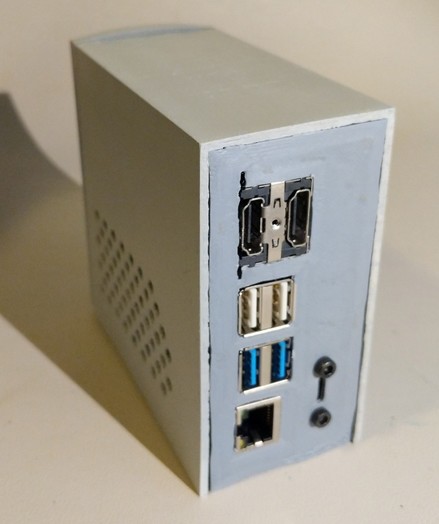
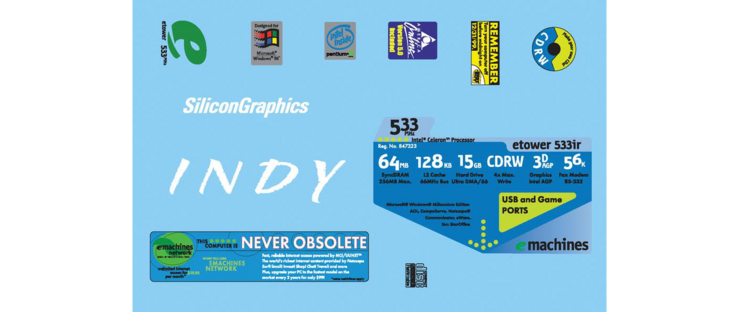
First up, and probably the best: the eMachines 'Never Obsolete'. The circa 2001 computer (with anachronistic Y2K sticker) sold in Circut City and Best Buy.
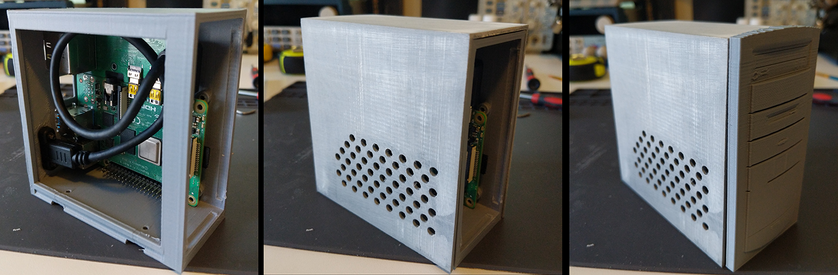
Inside is a Raspberry Pi 4. The outside is loaded up with stickers. Zoom in!
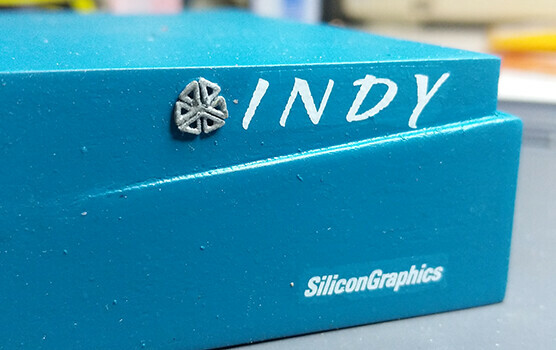
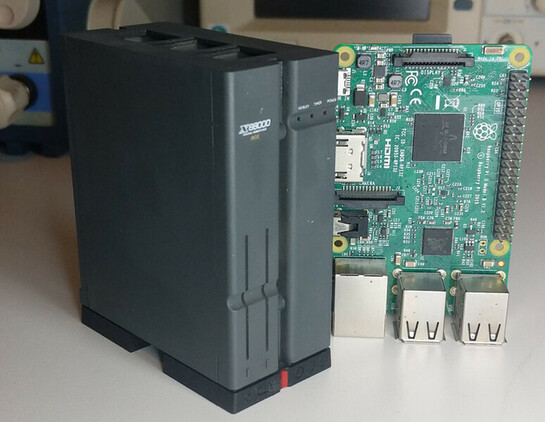
https://www.hlj.com/1-4-scale-raspberry-pi-case-x68000-1st-hmt64203-2
Got it in a used video game store in Osaka. Out of stock on the website, but you might be able to find it elsewhere.
Helmets brings to you this highly detailed 1/4 scale plastic model kit of the X68000 Raspberry Pi Case as shown in the photos. The Raspberry PI is a learning minicomputer developed in the UK. It is an excellent computer that can be used practically while being very inexpensive. Order today!Contents: ABS runner x1, waterslide decal x1, acrylic button x1, instruction manualApplicable model: Raspberry Pi 2/3 model B / B +Scale: about 1/4Package dimensions: 270mm x 150mm x 35mm
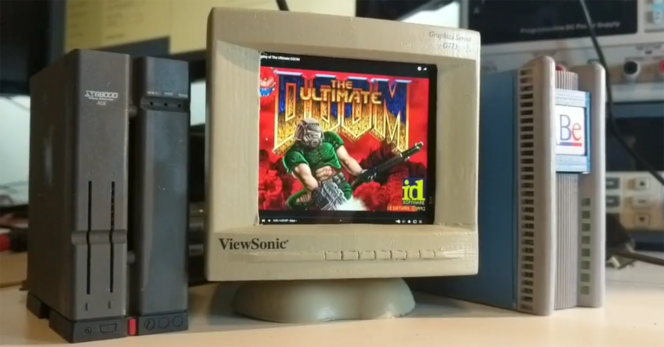
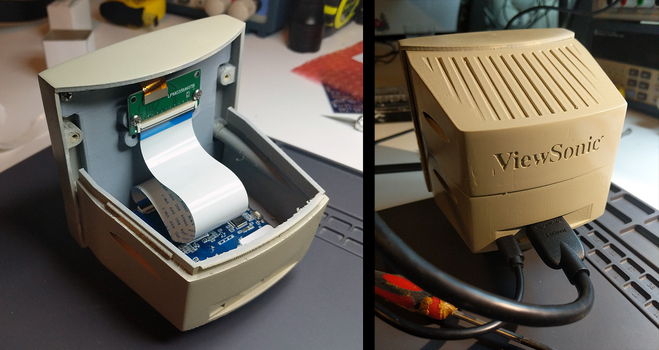
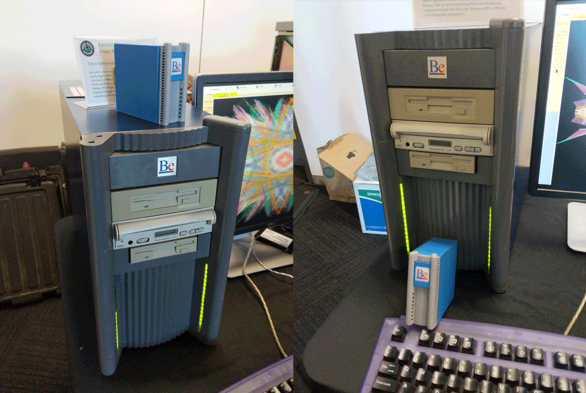
Anyway, yeah. Tiny retrocomputers. I have all the STLs and stuff you need to build your own. You can find links to those on the project page: https://bbenchoff.github.io/pages/BeBox.html
Feel free to share
Some people have suggest what computer I'm going to do next, and, duh, the answer is a Thinking Machine CM-5, with 8x78 LED display.
I think the micro CM-5 would be about 260mm by 65mm on the front. This is from some quick layout of what the LED matrix would look like.
That's a lot of space, and I don't know what I'd do with it. Put hard drives in the case? Make it a supercomputer NAS? No idea what to do with something this big.
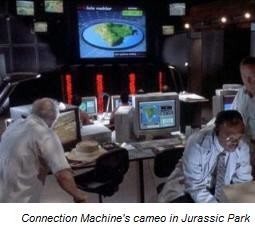
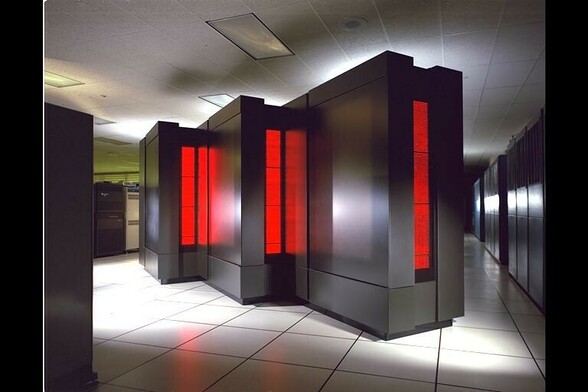
Oh sweet it would be about as wide as a 2.5" SSD.
So there we go. CM-5 RAID NAS
Quick but of modelling and printing, made something to serve as a size comparison.
Yeah. It's big.
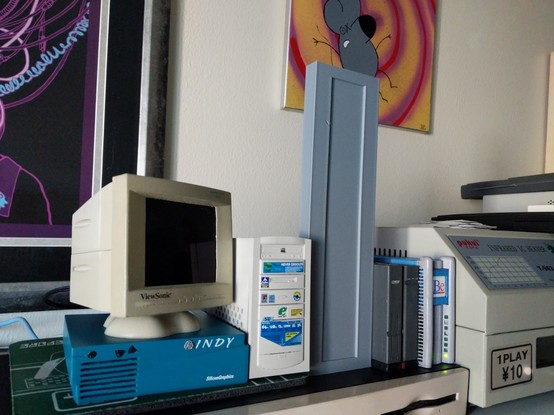
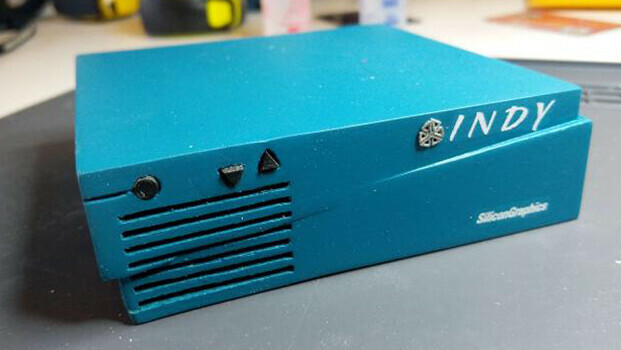
This? Yeah, that can be done on a filament printer. It's just paint and decals.
To do this I'd need an Alps dye-sub printer, but if you want I can model it up for you. Probably with the Pi ports coming out the side instead of the back.
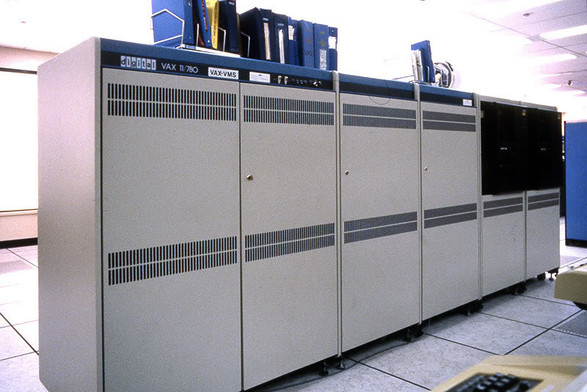
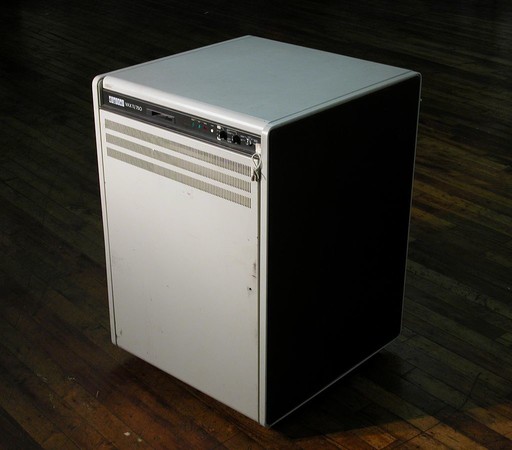
@violenceworks I have a photo saved somewhere I'm sure that had the main unit with a tape drive on one side and my thought was "oh that'd be neat".
But yeah, when I'm not at the pub I might go down this rabbit hole. 😁

@violenceworks Looking awesome! The Indy, X68000, and BeBox are all such cool computers.
Feels like you are missing a fancy Power Mac in there:)
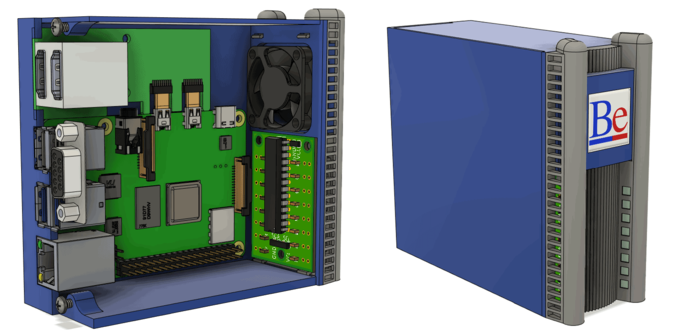
@rbanffy Okay, first thing you need to realize is that these *are not scale models*. They _look like_ scale models. Directly scaling them down would mean the details are too fine; take a look at the BeBox -- there should be three 5.25" drive bays instead of the logo, but instead I made the logo huge.
It's more impressionistic than a 'scale model'. This is due to simply not being able to get the detail from a 3D printer, or the scaled-down features that would be too small to see.
@violenceworks Oh I know. A scale model wouldn't work well - details would be too small to implement (mostly). And they look better as "kawai" versions of the desktops of yore.
Still, having those 3D scans would, besides the preservation aspect, be a nice starting point for any such work with cartoonish adorable little machines.
@rbanffy I've done something like this -- the CDROM bezel on a Mac Quadra 950, specifically.
The resolution / precision / accuracy of 3D scanning just wasn't there. When I recreated that part, I had to go in with calipers and whatnot. An optical comparator would be even better.
If you want to preserve something, you need multiple museums each having a few copies of the machines you want to preserve. That's the best option right now, until we get Star Trek-level scanning abilities.

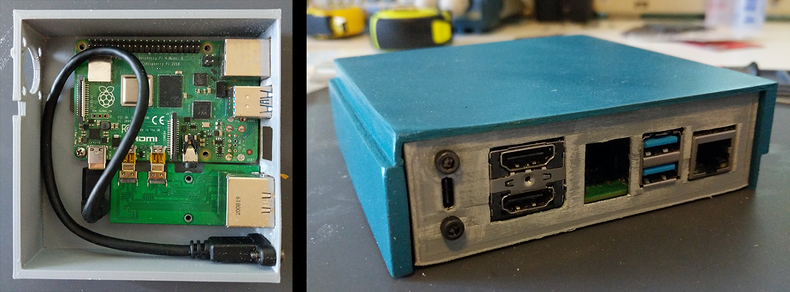
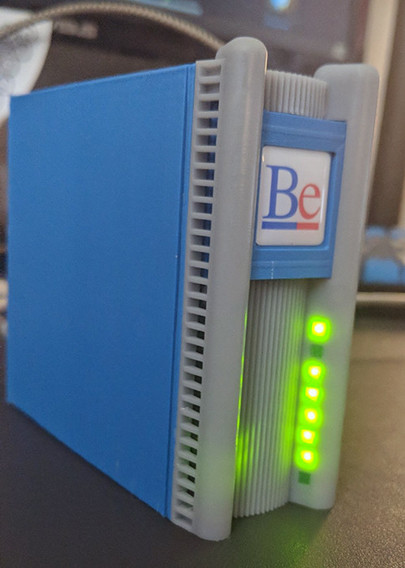
 curious
 Anthony Sorace
 Eli the Bearded
 Tim of the Cade
 Michael K Johnson
 Trevor Flowers
 Pete Wright
 Mike [SEC=OFFICIAL]
 Gary
Gary HarmonicOcelot!
 DDR
DDR Tim Aidley
 mtillman
 Jumar Macato
 AaronXR
 Dan Wearsch 🏳️⚧️
 Bluefox Longtail ΘΔ
 Gen X-Wing
 Lawrence
 archlentil
 mr_daemon
 Gus
Gus Jeff Eckman 🥁
 ʕ•ᴥ•ʔ
ʕ•ᴥ•ʔ Tanja Wawuschel
 leyrer
 SHODAN
 Andrew
 Aurynn Shaw
 Gallen
 malducin
 Matt Richardson 🏳️🌈
 Pete Prodoehl 🍕
 Ricardo B�nffy