Wavy Water Entry

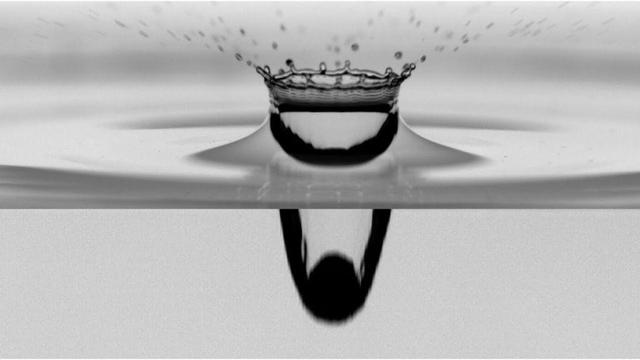
When an object like a sphere enters the water, it drags air into the water behind it, creating a cavity. Depending on the sphere’s impact speed, the cavity might close first under the water, forming a deep seal, or at the surface with a surface seal. But, as this video points out, water often isn’t still. Here, they explore how the sphere’s entry changes when there are ripples on the water surface. (Video and image credit: M. Ibrahim et al.; via GFM)

#2025gofm #fluidDynamics #physics #science #splashes #vibration #waterEntry #waterImpact #waves

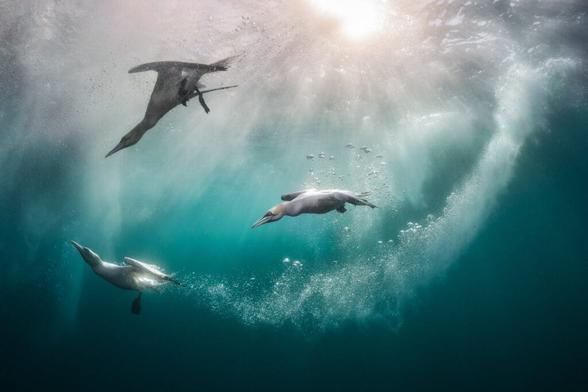
Some seabirds, including gannets and boobies, feed by plunge diving. From high in the air, they fold their wings and dive like darts into the water, impacting at speeds around 24 m/s to help them reach the depths where their prey swim. With their narrow beaks and necks, the critical moments in this feat come when the bird’s head is submerged but its body remains out of the water. At this point, the bird’s head is decelerating quickly and its body is still moving at full speed; if the neck cannot withstand this combination of forces, it will buckle.

But plunge divers, it turns out, have a secret weapon that helps them handle impact: their head shape. A study of water entry dynamics using 3D-printed models of birds’ heads found that plunge divers have a shape that increases the amount of time it takes to enter the water. The impact forces stretch out over that longer period of contact, which also stretches out the time it takes for the bird to reach its maximum deceleration. The end result? That extended contact time protects birds from unsafe levels of deceleration, just like a crumple-zone in a crashing car keeps its occupants from experiencing the worst decelerations. (Image credit: K. Zhou/BPOTY; research credit: S. Sharker et al.; via Colossal)

https://fyfluiddynamics.com/2024/10/immersion/

#biology #birds #buckling #diving #fluidDynamics #physics #plungeDiving #science #waterEntry

Radware Bot Manager Captcha

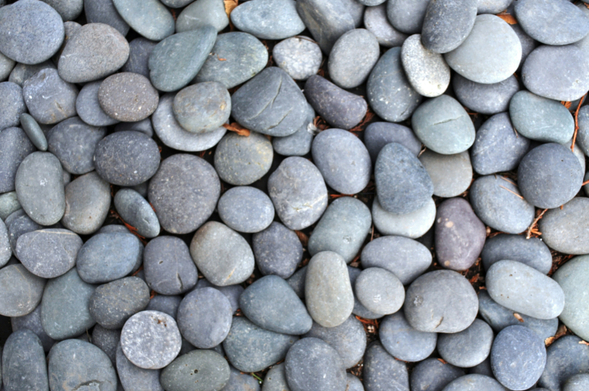
Intuition suggests that a flat rock will hit the water with greater force than a spherical one, and experiments uphold that. But a flat rock, interestingly, doesn’t produce the greatest impact force. Instead, it’s a slightly curved rock that experiences peak impact forces. Researchers found this happens because of the thin layer of air that coats the front of the impacting object. For flat faces, this layer is relatively thick and provides a cushioning effect that reduces the peak force and spreads out the impact. In contrast, a slightly curved convex surface traps a thinner air layer, and that lack of cushioning maximizes the impact force. (Image credit: J. Wixom; research credit: J. Belden et al.; via APS Physics)

https://fyfluiddynamics.com/2024/08/curved-rocks-hit-harder/

#fluidDynamics #physics #science #waterEntry #waterImpact

Water Impact: When a Sphere Becomes Flat

Pebbles that are slightly curved---rather than completely flat---exert the highest impact forces when dropped onto a watery surface.

Physical Review Letters

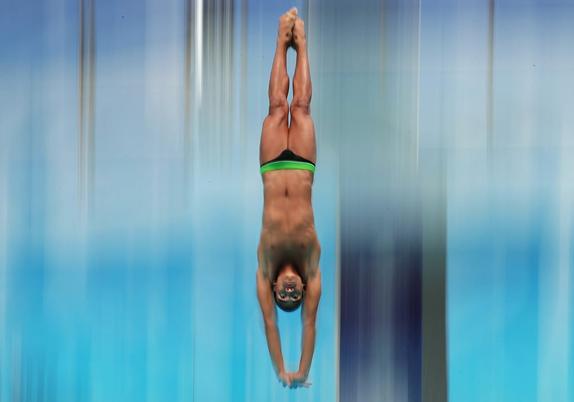
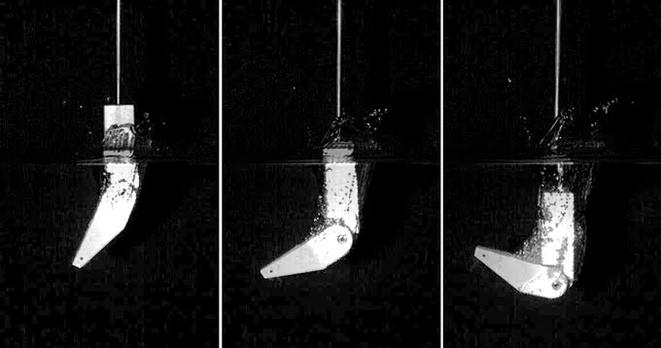
In competition diving, athletes chase a rip entry, the nearly splash-less dive that sounds like paper tearing. Part of a successful rip dive comes in the impact, where divers try to open a small air cavity with their hands that their entire body then enters. But the other key component happens below the surface, where divers bend at the hips once underwater. This maneuver enlarges the air cavity underwater and disrupts the formation of a jet that would typically shoot back upwards. Done properly, the result is an entry with little to no splash at the surface and a panel full of pleased judges. (Image credits: top – A. Pretty/Getty Images, other – E. Gregorio; research credit: E. Gregorio et al.; via Science News; submitted by Kam-Yung Soh)

Sequence of images showing a synthetic diver bending underwater to disrupt splash formation.

Related topics: Rip entry physics, how pelicans dive safely, and how boobies plunge dive

This post marks the end of our Olympic coverage for this year’s Games, but if you missed any previous entries, you can find them all here.

https://fyfluiddynamics.com/2024/08/paris-2024-diving/

#cavity #diving #fluidDynamics #jets #olympics #Paris2024 #physics #science #sports #waterEntry

Diving in

As summer begins to wind down, the temperature still remains high in some places (in the Northern hemisphere, of course). Cool waters call out to those who would leap in, momentarily letting gravity have its way with them, pulling them down as they flail, shout or twist. Collected here are a handful of photos of divers around the world, showing their professional artistry, daredevil bravado, or just simple joy as they take the plunge.

Boston.com