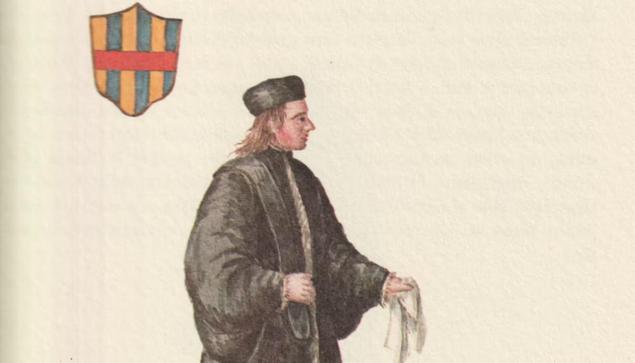
Senatore con stola di duolo — Senator with a mourning stole — Grevembroch 1-33

This painting depicts a member of the Pregadi — the Venetian senate — dressed in the traditional toga of important magistrates, with a black stola as a sign of mourning. There were special rules about how magistrates could dress, even in periods of mourning.

#VenetianNobility #Venezia #Venice

Read more here: https://historywalksvenice.com/translation/senatore-con-stola-di-duolo-senator-with-a-mourning-stole-grevembroch-1-33/
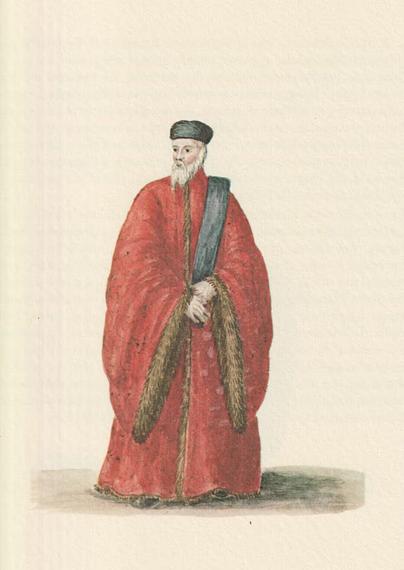
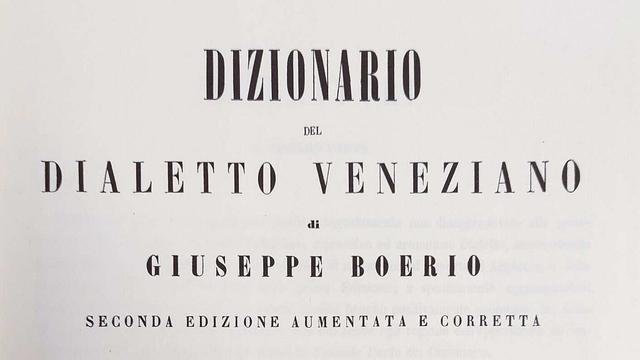
Vesta da zentilomo — Dizionario

"Vesta da zentilomo" from the Dizionario del Dialetto Veneziano by Giuseppe Boerio.

#Dress #VenetianNobility #Venezia #Venice

Read more here: https://historywalksvenice.com/translation/vesta-da-zentilomo-dizionario/

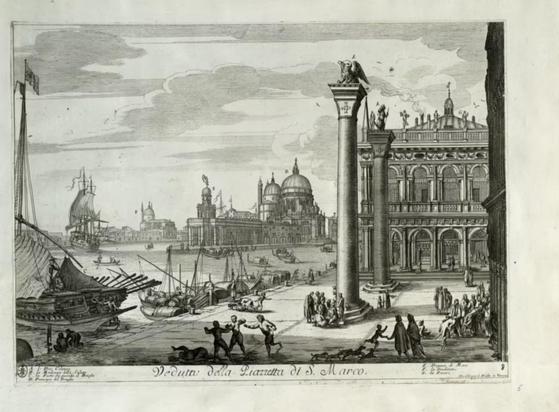
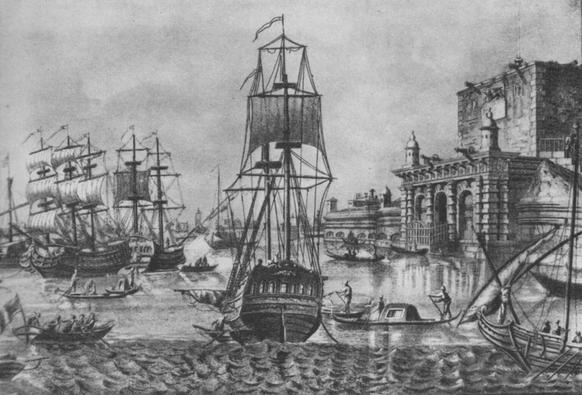
Veduta della Piazzetta di S. Marco — Il Gran Teatro di Venezia — plate 5

The Piazzetta is the part of the Piazza San Marco closest to the lagoon, around the two columns.

Commonly seen there, in the early 1700s, were a prison ship, a street brawl and noblemen in the broglio, engaging in the less noble side of Venetian politics.

#Engravings #histodons #Prisons #VenetianNobility #Venezia #Venice

Read more here: https://historywalksvenice.com/translation/veduta-della-piazzetta-di-s-marco-il-gran-teatro-di-venezia-plate-5/

Nobile della Casa Trivisan — Nobleman of the House of Trivisan — Grevembroch 1-55

This painting depicts the senator Marco Trevisan, who was remembered as a kind of Venetian Cincinnatus — an example of all the virtues of a nobleman of the Republic of Venice.

It is also a good example of the importance of the stola in the dress of Venetian state officials, such as the members of the Pregadi — the Venetian senate.

#VenetianNobility #Venezia #Venice

Read more here: https://historywalksvenice.com/translation/nobile-della-casa-trivisan-nobleman-of-the-house-of-trivisan-grevembroch-1-55/

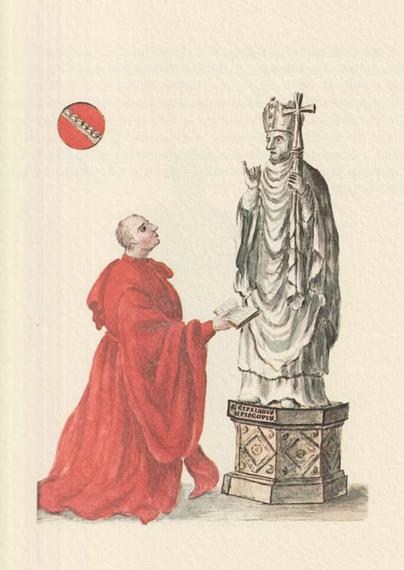
Giacomo Gradenigo Cavaliere — Grevembroch 1-37

The painting depicts the Venetian nobleman Jacopo Gradenigo (c. 1350–c. 1420). He was a Cavaliere di San Marco, which was one of the highest honours of the Republic of Venice.

Here he is shown wearing the vesta — long robe — with wide sleeves and a stole across the left shoulder.

This dress was typical of the Venetian aristocracy, but later restricted to a smaller group of state officials.

Jacopo Gradenigo was a forefather of Pietro Gradenigo, the patron and employer of Grevembroch. He is depicted praying in front of a statue of St Cyprianus.

#Dress #VenetianNobility #Venezia #Venice

Read more here: https://historywalksvenice.com/translation/giacomo-gradenigo-cavaliere-grevembroch-1-37/

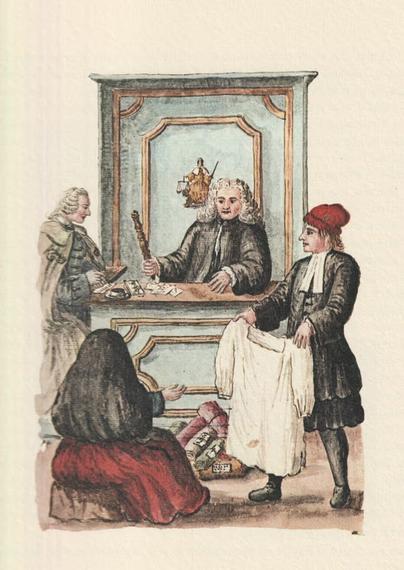
Nobile sopra l’incanto — Nobleman as Auctioneer — Grevembroch 1-81

One of the many tasks Venetian noblemen could be charged with, was presiding over the state-run auctions of the unredeemed pawned goods of debtors, called the incanto.

The image of Venice as Justitia in the back shows that the proceedings were of a state tribunal.

Taverns and inns also served as pawn shops, to ensure common people too had access to credit.

#histodons #pawnshops #sources #translations #venetianNobility #venezia #venice

Read more here: https://historywalksvenice.com/translation/nobile-sopra-lincanto-nobleman-as-auctioneer-grevembroch-1-81/

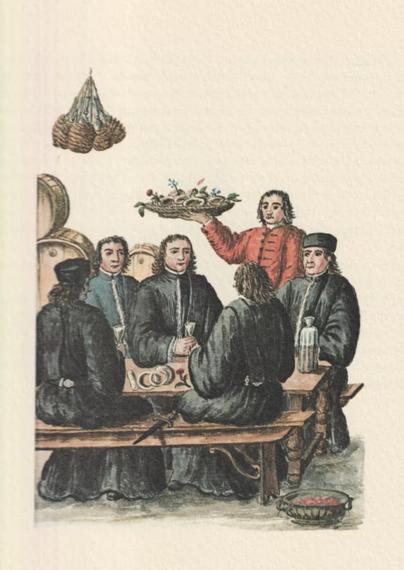
Compari alla Malvasia — Malvasia Companions — Grevembroch 1-84

Young noblemen had their debut in politics at the age of twenty, in the courtyard of the Palazzo Ducale.

After the presentation, they went to celebrate with Malvasia wine, and bussolai, traditional sweet cakes from Burano.

The painting depicts four young noblemen, dressed in formal robes, seated in a tavern, where they are served wine, and cakes.

#Clothes #Coffee #Sugar #VenetianNobility #Venezia #Venice

Read more here: https://historywalksvenice.com/translation/compari-alla-malvasia-malvasia-companions-grevembroch-1-84/

La scopa privilegiata — The privileged broom — Grevembroch 4-57

The man cleaning the brolo or broglio at San Marco, where the noblemen went to discuss and bargain before the meetings of the Maggior Consiglio.

Normally, only noblemen were allowed entry to the broglio. The sweeper was a privileged exception.

#Sources #Translations #VenetianNobility #Venezia #Venice

Read more here: https://historywalksvenice.com/translation/la-scopa-privilegiata-the-privileged-broom-grevembroch-4-57/

Nobili al Cafè — Noblemen at the Café — Grevembroch 1-096

This painting depicts two noblemen at a café. The man sitting down wears the vesta or toga of a state official, while the other wears the normal 1700s velada — overcoat.

The man behind the counter is preparing the coffee.

#Coffee #histodons #Sources #Translations #VenetianNobility #Venezia #Venice

Read more here: https://historywalksvenice.com/translation/nobili-al-cafe-noblemen-at-the-cafe-grevembroch-1-096/

Domenico Pizzamano

Domenico Pizzamano never expected to end up in prison.

A nobleman should not be in prison, unless a traitor to the Republic. It was simply not the order of things.

And he was no traitor. He had done his duty to the Republic and to his class, ever since he had embarked on a Venetian galley at the age of eleven. Last year, when the Superintendent of the Lagoon had asked for volunteers in the defence of the city against Napoleon, he had stood up, along with little more than a dozen other noblemen.

#1700s #LagoonIslands #VenetianNobility #VenetianState #Venezia #Venice

Read more here: https://venetianstories.com/venetian-story/domenico-pizzamano/