Timothy Schwinghamer (he/him)
 mel
mel"JPMorgan and Goldman Sachs bet on Hormuz reopening by June, but warn buffers masking #crisis are #unsustainable: JPMorgan and Goldman Sachs are increasingly anchoring their forecasts around a Strait of #Hormuz reopening by June, an assumption now acting as the central pillar holding global #oil #markets together, according to reporting highlighted by HFI Research. JPMorgan’s base case targets reopening around June 1, while Goldman projects a gradual reopening finishing by late June, under which it sees Brent crude stabilizing before falling toward $90 per barrel by year’s end. The global economy has so far avoided a full-scale #energy #shock largely due to two temporary buffers: U.S. seaborne oil exports surged roughly 3.8 million barrels per day year-over-year over the past month, while China simultaneously slashed seaborne oil imports by 5.5 million barrels per day, apparently drawing down inventories rather than competing for supplies on global markets. HFI Research calculates those two shifts alone absorbed roughly 9.3 million of the 12.3 million barrels per day lost from Middle Eastern flows. Analysts warn, however, that neither buffer is sustainable long term and the system is increasingly fragile."
In summary, #water #emergencies are best avoided by good #long-term #monitoring of water flows and #quality, preserving the #eastern slopes for the #natural #retention of water, and #planning for #sustainable #demand through water #modelling that accommodates #climateChange scenarios and maintains #healthy flow #regimes for aquatic #ecosystems. Relying on ad hoc inter-basin #transfers of water to meet #unsustainable demand is not an adequate response in the long term.
22/24
 Wordmark
 Kristen M. Simonds
 CBC Manitoba
 John Faithfull 🌍🇪🇺🏴🧡✊🏻✊🏿
 CBC Prince Edward Island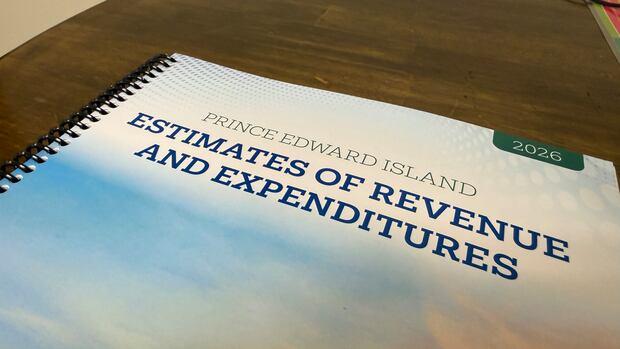
 CBC Kitchener-Waterloo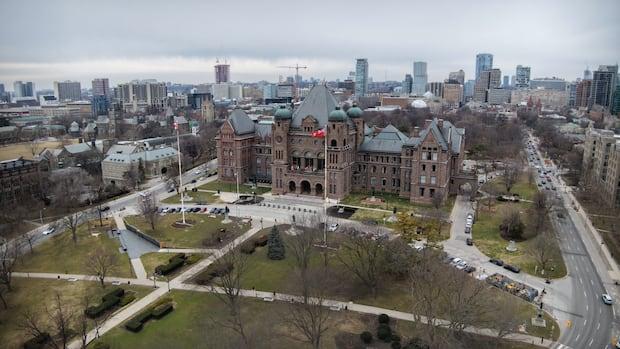
 CBC Toronto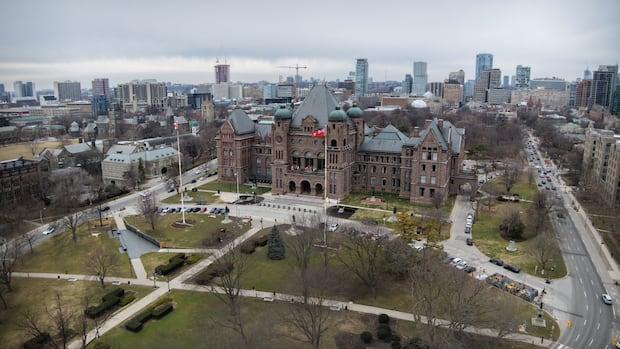
 CBC Thunder Bay