 MusiqueNow 🇵🇸 ✡️
YouTube
 Mathrubhumi English
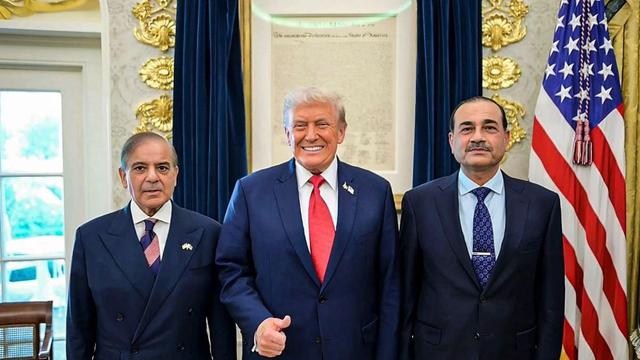
No money at home, millions for lobbyists? Pakistan's US gamble explained https://english.mathrubhumi.com/news/world/pakistan-us-lobbying-spending-economic-crisis-y5y75sdm?utm_source=dlvr.it&utm_medium=mastodon #Pakistan #USElections #Washington #Lobbying #IMF
 Killer Rabbit 90
 Rassilon
 gypsyvegan
From investigative journalist @GregPalast :
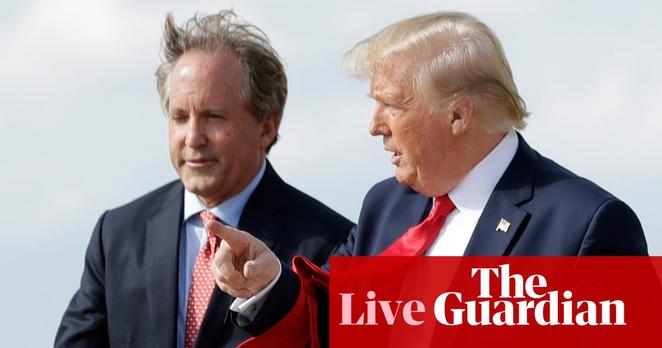
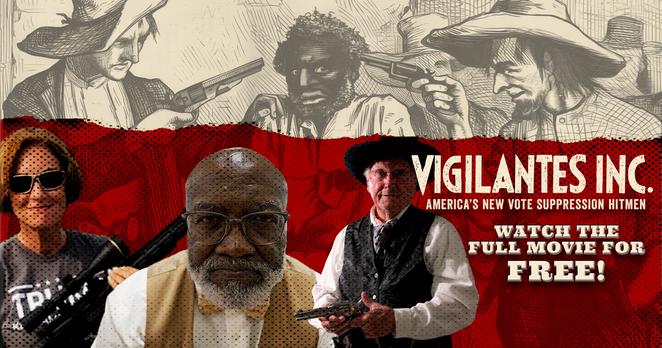
"Texas Attorney General, and general scoundrel, Ken Paxton just won the Republican primary for Senate in Texas. As seen in our film 'Vigilantes Inc.', Paxton proudly claims that Trump would've lost Texas if he hadn't blocked 2.5 million mail in ballots in Harris County — which has the second largest Black and Hispanic populations in America. In other words, Paxton proudly proclaimed that he stole Texas and therefore the presidency for Trump in 2016."
Stream the full documentary film, 'Vigilantes, Inc.', for free here:
https://www.watchvigilantesinc.com/
#VigilantesInc #USpol #USelections #CivilRights #VoterSuppression #gerrymandering #ElectionIntegrity #VoterDisenfranchisement #Midterms #AuthoritarianSlide
 KillBait News
Opinion piece argues that U.S. democracy is heavily influenced by money and lobbying power
📰 Original title: American Democracy Does Not Exist
🤖 IA: It's clickbait ⚠️
👥 Users: It's clickbait ⚠️

Opinion piece argues that U.S. democracy is heavily influenced by money and lobbying power
The article is an opinion commentary that questions the integrity of democratic processes in the United States, arguing that political outcomes are heavily shaped by wealthy donors, lobbying groups, and corporate influence rather than the will of ordinary voters. It highlights recent U.S. congressional primary elections in which large sums of money were reportedly spent by political action committees and interest groups to support or oppose specific candidates. According to the piece, these financial interventions are presented as evidence that elections can be significantly swayed by concentrated wealth, particularly through organizations associated with foreign policy interests. The author uses examples of high-cost primary races to argue that candidates who challenge dominant policy positions or powerful interest groups are often outspent and defeated. The article extends this argument to broader criticisms of U.S. foreign policy, suggesting a disconnect between democratic rhetoric and real-world actions. It claims that the United States promotes democracy abroad while its own system is shaped by elites who can fund campaigns, influence media narratives, and support think tanks and advocacy groups aligned with their interests. The commentary further asserts that such influence contributes to policies affecting wages, healthcare, regulation, environmental protection, and military interventions. It frames this as a systemic issue in which economic power translates into political power, reducing the effectiveness of equal voter participation. The article concludes with a call for greater resistance to concentrated wealth and influence, suggesting that meaningful democratic reform would require reducing the impact of money in politics. Overall, it presents a critical and contested perspective on the functioning of American democracy, emphasizing inequality in political influence as its central theme.
 KillBait
Opinion piece argues that U.S. democracy is heavily influenced by money and lobbying power
📰 Original title: American Democracy Does Not Exist
🤖 IA: It's clickbait ⚠️
👥 Users: It's clickbait ⚠️
Opinion piece argues that U.S. democracy is heavily influenced by money and lobbying power
The article is an opinion commentary that questions the integrity of democratic processes in the United States, arguing that political outcomes are heavily shaped by wealthy donors, lobbying groups, and corporate influence rather than the will of ordinary voters. It highlights recent U.S. congressional primary elections in which large sums of money were reportedly spent by political action committees and interest groups to support or oppose specific candidates. According to the piece, these financial interventions are presented as evidence that elections can be significantly swayed by concentrated wealth, particularly through organizations associated with foreign policy interests. The author uses examples of high-cost primary races to argue that candidates who challenge dominant policy positions or powerful interest groups are often outspent and defeated. The article extends this argument to broader criticisms of U.S. foreign policy, suggesting a disconnect between democratic rhetoric and real-world actions. It claims that the United States promotes democracy abroad while its own system is shaped by elites who can fund campaigns, influence media narratives, and support think tanks and advocacy groups aligned with their interests. The commentary further asserts that such influence contributes to policies affecting wages, healthcare, regulation, environmental protection, and military interventions. It frames this as a systemic issue in which economic power translates into political power, reducing the effectiveness of equal voter participation. The article concludes with a call for greater resistance to concentrated wealth and influence, suggesting that meaningful democratic reform would require reducing the impact of money in politics. Overall, it presents a critical and contested perspective on the functioning of American democracy, emphasizing inequality in political influence as its central theme.
 A Guy Named Brian (he/him)
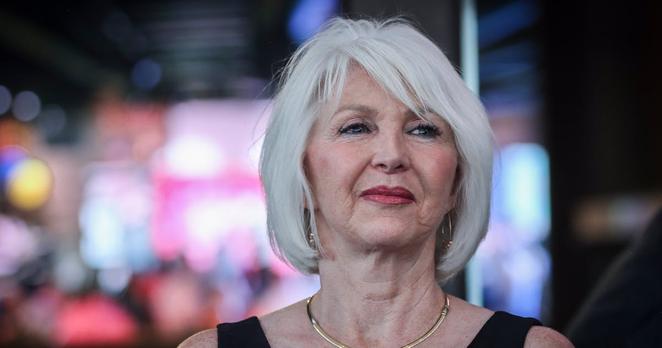
“With all the coverage of Trump, his administration, and the MAGA faithful using every disingenuous and borderline illegal tactic to tilt future elections, not nearly enough of a spotlight is being shined on those who already hold the power to do so at the local level—and who have demonstrated, on the record, that they will. With one of them finally breaking through to the national conversation, now is the moment to widen the frame.”
#Politics #USPolitics #USElections
https://newrepublic.com/article/210783/tina-peters-local-election-official-fraudsters-2026-midterms
 RAPPLER | Philippine & World News | Investigative Journalism | Data | Civic Engagement | Public Interest [Unofficial]May 19
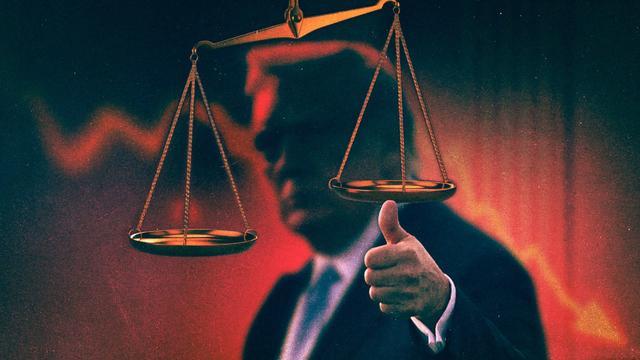
[Edgewise] As Trump approval plummets, GOP moves to rig midterm elections
 World news | The Guardian
Voters in six states head to polls with Kentucky's Massie facing Trump's fury - US politics live