 KillBait News
Studies Link Adult Thymus Health to Longevity, Disease Risk, and Cancer Immunotherapy Outcomes
📰 Original title: The forgotten organ that could predict how long you live
🤖 IA: It's clickbait ⚠️
👥 Users: It's clickbait ⚠️
Studies Link Adult Thymus Health to Longevity, Disease Risk, and Cancer Immunotherapy Outcomes
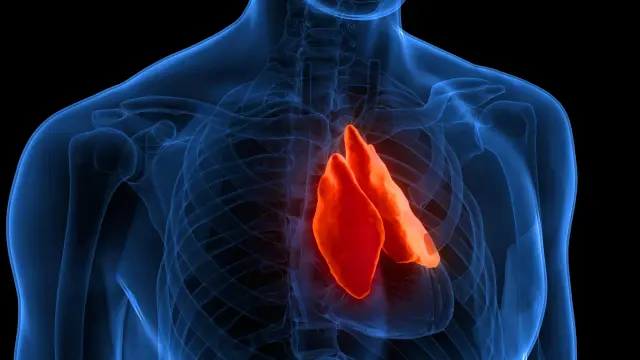
Researchers at Mass General Brigham have reported evidence that the thymus, an immune-system organ located in the chest, may remain important throughout adulthood despite decades of assumptions that its role largely ends after childhood. In two studies published in Nature, scientists used artificial intelligence to analyze CT scans from more than 25,000 participants in a national lung cancer screening trial and over 2,500 individuals from the Framingham Heart Study. They developed a 'thymic health' score based on the organ’s size, structure, and composition. Individuals with healthier thymuses showed significantly better long-term outcomes, including about a 50% lower risk of death from any cause, a 63% lower risk of cardiovascular death, and a 36% lower risk of developing lung cancer compared with those who had poorer thymic health. The associations remained significant after adjusting for age and other health factors. Researchers believe that a healthier thymus may help preserve T-cell diversity, improving the immune system’s ability to respond to diseases and cancer. The studies also found links between poorer thymic health and factors such as smoking, chronic inflammation, and higher body weight. In a separate analysis of more than 1,200 cancer patients receiving immunotherapy, those with healthier thymuses experienced a 37% lower risk of cancer progression and a 44% lower risk of death. While the findings suggest that thymic health could become an important biomarker for aging, disease risk, and cancer treatment outcomes, the researchers emphasize that additional studies are needed before the imaging methods can be used routinely in clinical practice.
 KillBait
 Knowledge Zone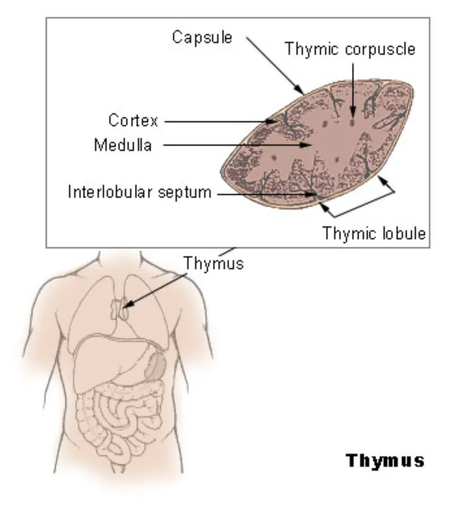
 𝒥enny 𝒯alls ( 🅩 )
 scinexx - das wissensmagazin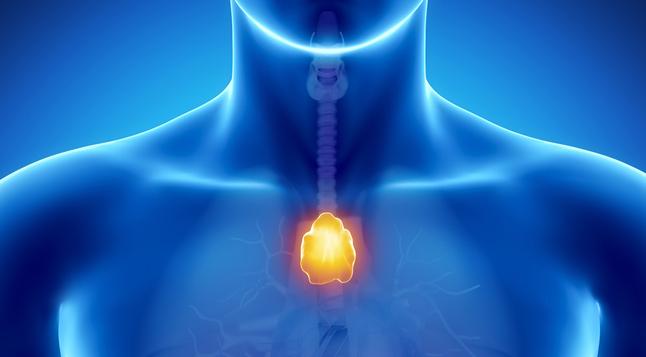
 valentinzi

 Giuseppe Michieli
 David Usharauli