 B
BGot D3 rendering the charts. The design isn't set in stone, but I like it so far.
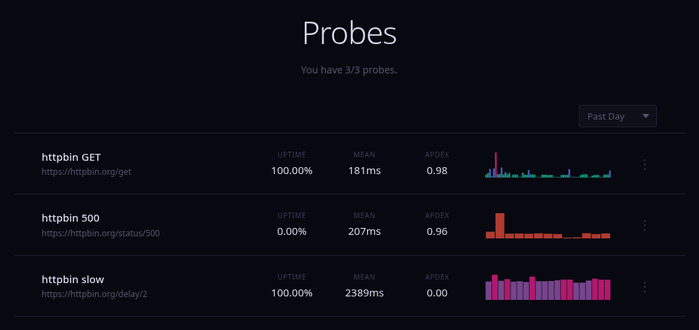
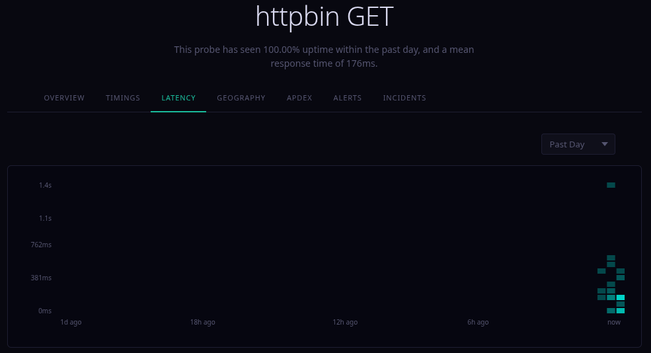
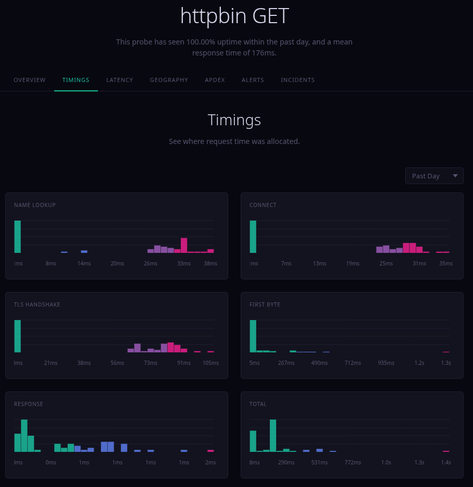
Got D3 rendering the charts. The design isn't set in stone, but I like it so far.
I took a look at Go and HTMX using a web generation tool, Gowebly.
A next-generation CLI tool for building amazing web apps. Go, htmx & hyperscript, modern CSS frameworks!
htmx gives you access to AJAX, CSS Transitions, WebSockets and Server Sent Events directly in HTML, using attributes, so you can build modern user interfaces with the simplicity and power of hypertext htmx is small (~14k min.gz’d), dependency-free, extendable, IE11 compatible & has reduced code base sizes by 67% when compared with react



Tooling got easier for contributing to #Henhouse thanks to @erik
This MR improves the developer experience by adding code generation tools as Go tool dependencies and enhancing the documentation. ### Added `templ`, `sqlc`, and `goose` as Go tool dependencies in `go.mod` By declaring these as tool dependencies, we ensure: - Version pinning—all developers...
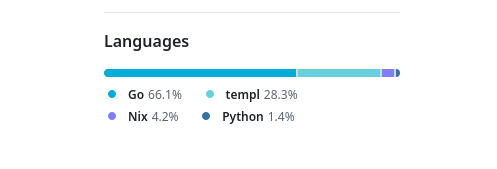
@loop0 Lately, I'm most comfortable with #Go + #Templ + #HTMX (GoTH).
Since the standard library's ServeMux gained support for HTTP methods I see no need for external routers.
Middleware I simply write myself, after all, it's just a function decorating a Handler. I wrote a simple package to be able to chain them easily but that's it.
At work I am writing a pretty complex piece of web application with that stack and so far I'm quite happy. It takes a bit of discipline not to let the endpoints get out of hand because with HTMX that can happen easily. Also, while building this project I slowly built up a Templ UI component library to keep the templates manageable.
The result of all this is the ability to keep my dependencies to a minimum which is something that's important to me because it makes keeping track of vulnerabilities much easier.
I'm even in the process of eliminating Tailwind. CSS can so do much these days and Tailwind's concept of composing utility classes doesn't scale well for me.
 Entrepreneurial web application craftsman
 Cuboci 🏳️🌈


 Sickcans
 Limeleaf
 fredix 🐧
 Alejandro Baez
 Bogdan Buduroiu has moved
 Blain Smith