 Roberto
 SoDragonPublishing
Lovely blog article by my friend #JoAnnLordahl - Check it out - The Gift of Gratitude https://joannlordahl.com/the-gift-of-gratitude/ #GalenGuengerich, #GRATITUDE, #JoanBorysenko, #LivingWithGratitude, #Mindfulness, #PersonalTransformation, #SpiritualJourney, #SpiritualPractice, #Thankfulness, #TheGiftOfGratitude, #TheWayOfGratitude

 Bryan King
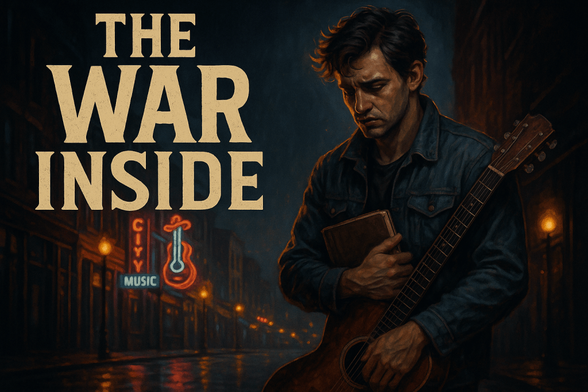
The War Inside
5,871 words, 31 minutes read time.
CHAPTER ONE — The Boy With the Buzzing Guitar
Ethan Hale was born during a thunderstorm—a detail his mother liked to repeat as if it explained everything about him. “You came into the world loud,” she’d say, “and you’ve been trying to find the right key ever since.”
The truth was, Ethan wasn’t loud at all. Not in voice, not in temperament, not even in ambition. But something inside him hummed with an electricity he didn’t understand, like the faint vibration of a plucked guitar string still ringing beneath the noise of everything else.
He grew up in a small Tennessee town where life moved slow enough that the seasons felt like they took their time deciding to change. Their church, Grace Chapel, sat at the edge of town—white siding, steeple that needed repainting every other summer, and floorboards that groaned beneath the weight of familiar footsteps. Everyone knew everyone. And everyone knew Ethan Hale.
By the time he was nine, he could play every hymn the congregation sang. His fingers were clumsy at first, fumbling through chords his father gently guided him through. But within a year, he moved with a natural grace over the frets of a cheap pawn-shop guitar—an $80 relic that buzzed if you pressed too hard.
He loved that guitar.
Loved the warmth of the wood.
Loved the way the strings bit into his fingertips.
Loved the way music made everything else quiet.
His father, Daniel Hale, cherished the sight of his son playing. Sundays, he would step back from the microphone, just to let Ethan strum through the offertory music. The congregation would whisper that the boy had a gift.
“God’s got big plans for him,” old Mrs. Whitaker said so often it became a liturgy of its own.
But even as a teenager, Ethan felt a tension pulling at him—a restlessness. He still played at church, still helped with youth worship, still sat through Bible studies. But while everyone talked about calling and purpose and ministry, Ethan dreamed of something else.
Nashville.
Not the Nashville of tour buses and stadium shows. The Nashville where men with battered guitars sang songs in cramped rooms to crowds that barely looked up from their drinks. The Nashville where music wasn’t polished—it was raw. Where lyrics weren’t safe—they were honest. Where a song could be ugly and broken and still beautiful.
He didn’t know why he wanted it.
He only knew he did.
And that made him a stranger in his own life.
Ethan’s relationship with his father had always been strong—until the year everything shifted. Daniel believed passionately in calling and obedience. He couldn’t fathom why Ethan would want to chase something so uncertain when God had already given him a clear path to ministry.
The tension simmered beneath the surface for months.
Then, one night during Ethan’s twenty-first year, it finally boiled over.
They were in the kitchen, dishes still on the table from dinner, and Ethan’s voice trembled with frustration.
“Dad, I don’t want to be a worship pastor.”
Daniel closed his eyes slowly, as if trying to process words spoken in a language he didn’t understand. “Son… you’ve been gifted for ministry. Everyone sees it.”
“What if that’s not what I’m made for?”
“What if it is, and you’re just running from it?” The words came out too sharp, too quick—an accusation wrapped in concern.
Ethan felt the sting. But he swallowed it, jaw tight. “I just want to try. Just see if Nashville has room for me.”
His mother, Anne, watched from the doorway, wringing a dishtowel in her hands. She wanted to say something, break the tension, soothe the edges. But she knew better.
“Ethan,” Daniel said calmly, but with a firmness that felt like a door closing, “dreams are good. But not every dream is from the Lord. Some lead you away from Him.”
There it was.
The line drawn.
A line Ethan suddenly felt desperate to step across.
“I’m twenty-one,” he said quietly. “I need to find my own path.”
Daniel’s eyes softened for a moment—just a moment—before the sadness in them turned to something Ethan mistook for disappointment.
“You’re throwing away what God started,” Daniel said.
Ethan’s voice rose before he could stop it.
“Maybe God didn’t start it, Dad! Maybe this is just what you want for me!”
The silence that followed felt thick enough to choke on.
His father didn’t yell.
He didn’t argue.
He simply stepped back and said, “If you walk away now, son… it’ll hurt more than you know.”
And Ethan, still too young to understand the depth of that warning, grabbed his guitar case and his backpack.
His mother touched his arm as he passed. “Please pray before you go.”
He didn’t answer. He couldn’t.
He just walked out the front door, stepped onto the cold porch, and breathed in the night air thick with regret and pride.
He loaded the buzzing guitar into the passenger seat of his dented pickup, tossed his backpack behind him, and with $2,500 saved from odd jobs, he drove into the darkness.
He didn’t look back at the house lit by the warm glow of kitchen lights.
He didn’t look back at the window where his mother stood crying.
He didn’t look back at the man in the doorway, arms crossed, face set like a grieving statue.
He drew the line that night.
And he crossed it.
The highway stretched ahead of him like a ribbon of possibility. Streetlights flickered past. The stars blinked cold approval. And for the first time in his life, Ethan felt like anything could happen.
He turned on the radio—old country, grainy static—and let the music wash over him. The lyrics talked about heartbreak and whiskey and lost roads that led nowhere. It wasn’t holy. It wasn’t church. But it felt honest.
And honesty was the one thing Ethan craved.
When he rolled into Nashville at sunrise, the sky was painted pink and gold. The city didn’t feel like home—it felt like an invitation.
He found a cheap motel on the outskirts, dropped his backpack, and sat on the edge of the stained mattress. The hum of the air conditioner filled the room.
He took out his guitar and strummed a soft chord, the buzz from the eighth fret vibrating beneath his fingers.
For a moment, he felt the familiar comfort of music—the only thing that had never failed him.
But there was another feeling too.
Something quieter.
Something he couldn’t quite name.
It was the beginning of the war inside.
He just didn’t recognize it yet.
Ethan spent the next week exploring the city on foot. He visited coffee shops hosting open mics. Bars with songwriter rounds. Studios he couldn’t afford to enter. He shook hands with musicians who were just as hungry as he was—some friendly, some defensive, some already defeated by the grind.
He quickly learned that Nashville wasn’t a dream.
It was a crucible.
A place where the fire burned hottest for those who dared to step close enough.
But Ethan had fire in him too.
Even if it wasn’t entirely righteous.
His first open mic night was in a dimly lit bar on the east side—The Sparrow Room. The walls were covered in band posters. The air smelled of spilled beer and stale popcorn. The stage was barely big enough for a mic stand.
But when Ethan stepped up, guitar strapped over his shoulder, the world slowed.
His voice wavered at first. The crowd was indifferent, barely looking up. But as he sang one of his originals—a soft, aching song about leaving home—heads slowly began to turn.
A couple at the bar stopped talking.
A man in the corner leaned forward.
The bartender paused mid-wipe.
And for the first time, Ethan felt something electric spark through the room.
Applause followed—not loud, but real. Genuine.
The kind of applause that said, You belong here.
After his set, a girl with blue hair tapped his shoulder. “You’ve got something,” she said.
He didn’t know it then, but that moment would anchor him through the storm to come.
Because storms were coming.
Storms he couldn’t yet imagine.
Storms that would take everything he built and tear it down to the studs.
But for that night, the applause was enough.
Hope was enough.
Dreams were enough.
And Ethan Hale—the boy who left God behind to chase music—fell asleep believing he was on the brink of everything he ever wanted.
He had no idea how high he’d rise.
He had no idea how far he’d fall.
He had no idea how deep the war inside would cut.
He only knew that he’d drawn a line once.
And he’d draw it many more times before the story was finished.
CHAPTER TWO — Struggle and Shadows
Nashville had a way of both welcoming and devouring anyone who came seeking it. For Ethan Hale, it was a constant mixture of exhilaration and exhaustion. The cheap studio apartment above a dry cleaner on Music Row reeked faintly of bleach and mildew. The pipes groaned as if warning him that his new life came with a price. Yet to him, it was freedom: a roof, a buzzing guitar, and a restless city full of people chasing dreams and heartbreak.
The first weeks were intoxicating. He played songwriter rounds in smoky bars where the air smelled of beer and fried food. He scribbled lyrics in notebooks, replayed recordings, and measured the room with every note. Applause was scarce at first, often polite but detached. Yet the few moments of genuine attention—someone leaning forward, a quiet nod, a whispered word of praise—kept him going.
It was during one of those nights that he met Mia Carter. She wasn’t flashy or loud. Her blue eyes seemed to catch the light like glass, reflecting both warmth and discernment. She worked at a record store by day but came to the bar for music, drawn by the same energy that had led Ethan here. After his set, she approached him casually, sipping from a chipped coffee mug.
“You write what you feel,” she said. “Most people don’t.”
Ethan smiled awkwardly. “Thanks.”
She tilted her head, studying him. “There’s honesty in your songs. You can’t hide it.”
It was the first time someone saw past the image he presented—the young man chasing a dream in Nashville—and acknowledged the boy with the restless heart, the one who had left home and God behind in pursuit of something he didn’t fully understand.
For a while, things felt effortless. Mia showed up at gigs, helped with meals, and listened patiently when he ranted about the city or industry contacts. She became his anchor, and he clung to her presence, even if he didn’t fully admit it.
But the city didn’t wait, and neither did his ambitions.
Ethan began spending long nights alone in the apartment, scribbling lyrics, replaying recordings, and obsessing over which producer might notice him next. Mia noticed the small signs: distant looks, half-hearted smiles, silence where laughter used to be. She tried to draw him in.
“Ethan,” she said one evening, placing a plate of food in front of him. “You didn’t eat dinner. You’ve been here all day.”
“I’m fine,” he muttered, eyes glued to his notebook.
“You’re not fine,” she said. “You’ve been working yourself to the bone. You’re running yourself down.”
“I have to,” he replied sharply. “You don’t understand. This is everything. I can’t just… stop.”
Small disagreements became more frequent. Mia tried helping with groceries or rent. He refused her help, his pride flaring.
“I don’t need charity,” he snapped one night, tossing an envelope she had discreetly slipped into his bag.
“It’s not charity,” she said softly. “I just want to support you. I want to be a part of this journey, not just watch from the sidelines.”
He didn’t hear it. Or maybe he didn’t want to. The room filled with tension, a small storm between them. The first cracks were forming—subtle but undeniable.
As his gigs continued, Ethan caught the attention of more producers. Some offered vague promises; some dangled potential exposure. Every interaction tested him. One evening, a slick, polished producer leaned close after a showcase, voice low so only Ethan could hear.
“Ten thousand dollars,” he said. “Hand over that song you just played. One of our signed artists will record it. Quick money. Enough to pay rent, eat, live a little comfortably for a while. Your call.”
Ethan froze. Ten thousand dollars—more than he had ever held at once. Enough to cover rent for months, buy proper meals, maybe even afford a little comfort. Enough to keep him afloat temporarily.
But the offer came with a price: he would lose ownership of the song, the one piece of himself he had poured into the world. The song that carried his truth, his pride, his confession.
“I… I can’t,” Ethan said, voice shaking. “That’s my song.”
The producer’s smile faltered, then hardened. “Suit yourself. But remember, dreams don’t wait for sentimentality. You can either eat tonight or starve. Your call.”
Ethan’s hands shook as he gripped the neck of his guitar. The weight of temptation pressed down like a physical force. It wasn’t just money—it was survival, dignity, pride, and the last thread of hope he had in this city.
The weeks dragged on. Mia noticed Ethan’s obsession with the industry growing. He spent nights replaying recordings, calculating contacts, and chasing producers, barely talking to her. She tried to hold him accountable.
“You’re slipping,” she said one night as they walked home. Rain drizzled over the city lights. “I can see it. I’m worried about you.”
“I’m fine,” he snapped. “I told you, I’m fine.”
“Fine?” she said, voice tight. “You’ve been so distant. You barely talk to me. You barely eat. You’ve lost yourself chasing something that might not even exist.”
Her words cut, and for a moment, he saw the truth behind them. But fear and pride rose in him like flames. “I can’t help it if this is my life. I can’t just sit around and do nothing!”
Mia’s shoulders slumped. “I’m not asking you to do nothing. I’m asking you to let me love you without it being about your next opportunity!”
They walked in silence. She didn’t speak again that night. But the cracks were widening, small fissures that would eventually split the relationship.
It all came to a head on a rainy Thursday evening. Ethan had barely eaten, barely slept, and barely survived the day. He arrived at a songwriter showcase, guitar in hand, exhausted. The audience murmured politely, but no one paid much attention. The producer from earlier leaned close after his set.
“Ten thousand dollars,” he repeated. “Your song. Our artist. Quick cash. You can live comfortably for a bit. Think about it.”
Ethan’s chest tightened. Ten thousand dollars, temptation, a way to survive. But he said nothing, only shook his head and walked away. Pride, shame, and stubbornness warred within him.
Then came the humiliation: a friend of the producer laughed at something he had said on stage. A waiter dropped a tray, shattering glasses. Another musician stumbled into a mic stand, chaos erupting around him. Everyone laughed or shouted—but no one noticed him.
He sank to the floor after the crowd dispersed, head in his hands. The months of poor decisions, pride, ambition, and denial pressed down like a thousand bricks.
He realized it: the war wasn’t out there. It wasn’t in the city, the producers, or the money. It was inside. Pride, sin, self-reliance, ambition—all of it waging war in his soul.
For the first time, Ethan had nowhere to hide, nothing to fight with, nothing left to cling to. He sat in silence, shivering in the shadows, staring at the cracked linoleum floor.
He struggled—not with words, not with music, not with the city—but with himself.
The battle had begun. The war inside was real. And tonight, Ethan Hale realized he could no longer ignore it.
CHAPTER THREE — Rock Bottom
Ethan woke to the cold hard concrete of a bus station bench. Rain had soaked through the thin jacket he had left draped over his shoulders, and the hum of distant traffic and the occasional train whistle made the city feel indifferent, almost mocking. His old pickup truck, once a mobile refuge, sat useless in a lot behind a shuttered diner, its engine dead. Every attempt to coax it to life had failed.
He hadn’t eaten in two days. The $10,000 offer from the producer lingered in his mind—not as cash in his pocket, but as a temptation he had resisted. Pride had made him refuse it. Survival could have been bought for a little while if he had compromised, but he had refused. His pride—his stubborn insistence on doing things his way—had led him here, broke and alone, with nothing to cling to.
It was worse than losing money. A notice had arrived that morning: the producer had released the song anyway, sung by another artist, and given Ethan no credit at all. A slickly worded clause in the contract—something Ethan hadn’t fully read—gave the producer the right to claim ownership of any material presented in his studio. The song was out there now, climbing on playlists he would never hear, performed by someone else, generating money he would never see, while his name was nowhere to be found.
Ethan’s stomach twisted. He had refused the easy path, refused the deal, refused to bend his integrity for cash. And yet, pride had not protected him—it had left him empty-handed. All he had gained from his stubbornness was isolation, betrayal, and despair.
Mia was gone. His apartment was gone. His truck was gone. His song—the most intimate expression of himself—was gone, out in the world under someone else’s name. All that remained was the war inside, waging relentlessly. Pride had driven him, pride had blinded him, pride had cost him everything.
Hours passed, the city humming indifferently around him. He hadn’t played a note, hadn’t strummed a chord, hadn’t spoken to anyone. And then, as the sky lightened with the first weak rays of dawn, something shifted.
He pulled his battered notebook from his coat pocket. His hands trembled. For a long moment, he stared at the blank page. He could scribble nothing—anger, despair, and shame clogged the words. But then, slowly, he began to write—not to impress, not to sell, not to survive, but simply to unburden himself.
I drew the line again tonight…
The phrase trembled on the page. His pencil scratched on, haltingly, hesitantly, then with more confidence. He wrote of pride and failure, of sin and temptation, of the choices that had led him to this frigid bench in a city that seemed to have no mercy. He wrote of the song that had been stolen, the trust betrayed, the warmth lost with Mia, and the war raging inside him. He wrote of pride—the part of him that had said, I can do this on my own, I don’t need anyone or anything, and how that pride had brought him here.
The words spilled out, raw and unfiltered, as if the notebook itself were a confessional. Jesus, there’s a war inside… I hate my sin, I hate this pride… but I want You… I only want You…
Hours passed. Rain streaked the station windows, unnoticed. Hunger and cold faded into the background. His hands ached, his mind ached, his soul ached—but in the act of writing, a fragile clarity began to emerge.
The notebook, filled with scratched-out lines and half-formed melodies, felt like the only thing he still truly owned. The battle wasn’t over. He was still alone, still homeless, still betrayed. But for the first time, he was facing the war inside head-on—acknowledging the pride that had ruled him and starting to surrender it.
He whispered into the empty station, almost to himself: “I’ll fight… but not alone this time.”
And with that, the first spark of hope glimmered through the darkness—a hope that would eventually become the song that could set him back on the path he had abandoned, the song that would become I Drew the Line Again Tonight.
CHAPTER FOUR — Picking Up the Pieces
The city never waited for anyone. Ethan had learned that the hard way. Days after the bus station bench, he found himself wandering streets he knew too well, searching for scraps of work and shelter. The hum of Nashville, once intoxicating, now felt indifferent, almost cruel. He carried his battered guitar and notebook everywhere, the only possessions that still tethered him to who he was.
He slept in the corner of a late-night diner when the owner, a grizzled man named Hank, took pity on him. In exchange for a few hours of work—cleaning dishes, stacking chairs, wiping counters—he got a hot meal and a place to rest. It wasn’t glamorous, it wasn’t safe, but it was a start. Pride still whispered that he should be doing better, that he should be performing on stages bigger than this, but hunger and exhaustion had muted that voice for now.
Ethan began taking small gigs wherever he could. Open mic nights, street corners, church basements—anywhere that would let him play and maybe earn a few dollars. Each performance was shaky at first. His fingers still remembered the chords, but his confidence had frayed. He had lost more than money and credit; he had lost faith in himself.
And yet, the music persisted. Even when the audience was a dozen tired listeners nursing coffee cups, he played with a honesty he had never allowed before. The words he wrote at the bus station spilled out in new melodies, fragments of I Drew the Line Again Tonight weaving into improvised songs about struggle, pride, and redemption.
But the world outside his small performances still reminded him of the betrayal. He overheard a radio station playing a song he knew too well—his stolen song, sung by another artist, now climbing slowly in the charts. His stomach twisted. No one knew it was his work. No one would ever know. The money it generated, the fame it brought, it was all for someone else. Pride stung sharper than hunger. He had acted with integrity, yet the world had taken what was rightfully his.
One night, after a particularly cold evening performing on a street corner under a flickering lamp, Ethan sat with his notebook open on his lap. He reflected on the stolen song, on the rejection, the betrayal, the loss of Mia, the broken truck, the apartments gone, the city that had chewed him up and spat him out. His hands shook, and he pressed them into his face, frustration spilling over.
And then he remembered what had kept him going in the bus station—the words he had written in his notebook when all else was lost. The confession of pride, the admission that he could not fight this war alone. He flipped through the pages and read lines he had scribbled in desperation:
I drew the line again tonight…
He read it over and over, the meaning deepening with every glance. Pride had led him to this low point, but it was also pride that made him refuse the $10,000 and stay true to himself. Now, that same stubbornness, tempered by humility, became a fuel for something new.
Ethan began writing more intentionally, fleshing out the song, weaving in the melody, the truth, the struggle he had endured. It wasn’t about chart success or fame anymore—it was about wrestling with the war inside and giving voice to it.
Weeks passed. His gigs remained small, the pay barely enough to survive. But he started to notice small signs: a listener lingering, a passerby tapping their foot, a hand clapping at the end of a verse. He realized that even without the stolen song’s credit or commercial success, his music still mattered. Even without recognition, he was being heard.
And in those small moments, the war inside him began to shift. Pride still whispered, yes—but now it was met with acknowledgment, a recognition that he needed guidance, that he couldn’t fight alone, that surrender wasn’t weakness.
The city still loomed large, and the stolen song climbed higher on the charts each week, reminding him of what had been taken. But now, Ethan had something no one could steal: the truth of his own voice, the honesty of his struggle, and the beginnings of a song that would become his redemption. I Drew the Line Again Tonight was still in the making, but the war inside him had a chance at peace.
You said:
Let’s work on chapter 5, and have him to write teh song in this chapter.
ChatGPT said:
Perfect — Chapter Five can be the pivotal turning point, where Ethan fully confronts the war inside, wrestles with pride, and writes I Drew the Line Again Tonight. This chapter should capture the raw emotion, struggle, and breakthrough, leading to his eventual redemption and reconnection with God.
Here’s a draft of Chapter Five:
CHAPTER FIVE — Writing the Line
The streets were quieter now, the hum of the city softened by the late-hour chill. Ethan carried his guitar and notebook like old friends, though both were battered, worn from months of use and neglect. He had learned to survive on scraps: temporary gigs, diner work, odd jobs, and the kindness of strangers who didn’t ask questions.
Tonight, he found a small corner in a church basement. The space was empty, except for a few folding chairs and a piano pushed against the wall. He had been invited by a local pastor who had seen him play at an open mic—a man who recognized the raw honesty in Ethan’s voice. The offer wasn’t much, just a chance to play, to be heard without judgment.
Ethan sat cross-legged on the floor, notebook in his lap. The events of the last year flooded back: leaving home and faith, chasing a dream that had almost destroyed him, Mia walking away, the apartment gone, the truck dead, the song stolen and performed by someone else. Pride had fueled it all—his insistence on doing everything himself, his refusal to compromise, his belief that he could outrun God and life on sheer will. And now, he realized, pride had nearly ruined him.
He picked up the guitar, fingers fumbling over the strings at first. The melody was rough, hesitant, but it carried something honest, something unpolished yet real. He closed his eyes, letting the feelings inside rise, the war within pressing against the walls of his chest.
He opened the notebook and began to write, not lyrics for the stage, not words to impress anyone, but words to confront himself. The pencil moved slowly, shaking at first:
I drew the line again tonight…
He stopped, staring at the words. His chest tightened. He had drawn the line before, in moments of weakness, only to fall again. But this time it was different. This time he was facing the pride and sin that had guided every misstep, acknowledging them instead of hiding from them.
I’m so tired of losing… I’m so tired of me…
The words came harder now, faster, as if the notebook could bear the weight he couldn’t hold inside. He wrote of the stolen song, the betrayal, the nights spent on cold benches, the hunger, the exhaustion, and the guilt of leaving God behind. Each line was a surrender, a confession, a recognition of his own failings.
He paused and strummed the guitar, the melody rough but raw, perfectly imperfect. He hummed the words, shaping them, adjusting rhythm, letting the truth guide the song:
Jesus, there’s a war inside…
And I keep choosing the wrong side…
I hate my sin, I hate this pride…
But Jesus, I want You… I only want You…
The song poured out of him, every verse a battle, every chorus a plea. He wrote the bridge last, the part where he admitted defeat and surrendered fully:
I can’t fix this… I can’t win this…
I’ve got nothing left to bring…
So I’m reaching with empty hands…
To the only One who can…
By the time the notebook was filled, his hands were raw, his voice hoarse, his heart exhausted. But in that exhaustion came a quiet peace. He had faced the war inside, confronted the pride that had driven him, and for the first time, surrendered to something greater than himself.
He played the final chords softly, letting the sound linger in the empty basement. For the first time in months, he felt something he hadn’t allowed himself to feel in a long time: hope.
The song was imperfect, the voice untrained, the melody unpolished—but it was his truth. And that truth, he realized, was more valuable than charts, money, or credit. He had drawn the line. He had faced the war inside. And for the first time, he knew he wasn’t alone.
Ethan whispered to the empty room, almost to himself: “This time, I’m not fighting alone. This time, I’m done running.”
And with that, I Drew the Line Again Tonight was born—a song of confession, surrender, and the first step back to life, love, and faith.
CHAPTER SIX — Redemption on the Stage
The small venue smelled of stale coffee and worn wood. Folding chairs lined the walls, and the stage was nothing more than a raised platform with a single microphone and a battered piano pushed to the side. For most performers, it would have been a disappointment. For Ethan, it was a gift—a chance to be heard, finally, without compromise.
He carried his guitar onto the stage, the notebook clutched under his arm. The audience was sparse: a dozen or so people, some curious, some just passing through. He set the notebook down, opened it carefully, and ran his fingers over the pages he had poured his soul into. Every word, every line, every melody was a confession, a surrender, a step away from the pride that had nearly destroyed him.
Ethan took a deep breath and began to play. The first chord sounded raw, imperfect, but true. His voice quivered at first, but then steadied as he immersed himself in the words.
I drew the line again tonight…
Told myself I’d finally get it right…
But here I am, same room, same shame…
The song poured out of him, not polished for charts or fame, but polished by truth. Every note carried the weight of months on the streets, of betrayal, of loss, of pride finally confronted. Every chorus was a surrender, a confession to God, and a reclamation of his own voice:
Jesus, there’s a war inside
And I keep choosing the wrong side…
I hate my sin, I hate this pride
But Jesus, I want You… I only want You…
The audience was quiet. Some had tears in their eyes; others nodded, feeling the honesty. But it didn’t matter. For the first time in months, Ethan felt seen—not by the world, not by charts or producers, but by himself and the One he had run from.
When the final chord rang out, the room was silent for a heartbeat, then applause broke, small but heartfelt. Ethan lowered his head, tears streaking his face. The war inside had not vanished, but the battle lines had been drawn, and for the first time, he knew he was not fighting alone.
Later, sitting backstage with his guitar resting on his knee, he reflected on everything: the stolen song, the lost money, Mia’s absence, the empty apartment, the broken truck. The world had taken much from him, but it could not take his truth. It could not steal what he had discovered in the struggle—the humility, the surrender, the honesty, the faith that had begun to grow again.
He opened his notebook one last time. The pages of I Drew the Line Again Tonight were filled with pain, confession, and hope. He whispered a prayer, a mixture of gratitude and longing: “I see it now. The war inside may never fully end, but I don’t have to fight it alone. I won’t fight it alone.”
Ethan stood, slung the guitar over his shoulder, and stepped out of the small venue into the crisp night air. The streets of Nashville stretched before him—still harsh, still indifferent, but now full of possibilities. He had been broken, betrayed, and humbled. But he had also been restored in the one place that mattered most: his heart.
The war inside had not disappeared, but the line had been drawn. And Ethan, finally, had chosen the right side.
Author’s Note
I Drew the Line Again Tonight is a work of fiction. Ethan’s journey, his struggles with pride, temptation, and the consequences of his choices, is not meant to depict any single person’s life—but the internal battles he faces are deeply human. Pride, the desire to control our own path, and the struggle to reconcile ambition with humility are experiences common to all men.
Choosing Jesus is not a quick fix. There is a real war in our hearts—a tension between desire, sin, and the life God calls us to live. This struggle is part of the “New Heart” God promises, a transformation that begins with surrender but is fought daily in the choices we make. Too often, Christian culture misrepresents this as an easy path: health, wealth, and instant solutions. But the lives of Paul and the other disciples, their suffering, sacrifices, and even deaths, are testimony that following Christ involves real struggle, discipline, and perseverance.
This story and the song it inspired draw from this reality. Ethan wrestles with the same tension Paul described: “For I do not do the good I want, but the evil I do not want is what I keep on doing.” (Romans 7:19). The song The War Inside, available on YouTube, was born from this struggle and from Ethan’s fictional journey.
While the events and characters are imagined, the emotions, temptations, and the war inside are universal. Yet there is hope: one day, all the battles, all the failures, and all the struggles we endure in this life will be worth it—the day we see Jesus face to face. Until then, surrender, honesty, and faith are not signs of weakness—they are steps toward freedom from pride and toward the New Heart God promises.
So whatever war you are fighting inside, whatever pride, temptation, or struggle you face, keep fighting the good fight!
D. Bryan King
Disclaimer:
The views and opinions expressed in this post are solely those of the author. The information provided is based on personal research, experience, and understanding of the subject matter at the time of writing. Readers should consult relevant experts or authorities for specific guidance related to their unique situations.
#battlingTemptation #christianFiction #christianInspiration #christianLifeLessons #christianMaleFiction #christianMusicStory #christianNovel #christianNovelMale #christianRedemptionStory #christianStorytelling #confessingSin #confessionAndSurrender #confrontingPride #confrontingSin #emotionalHealingStory #ethanStory #facingInnerDemons #faithAndPerseverance #faithAndStruggle #faithChallenges #faithJourney #faithBasedFiction #godlyTransformation #hopeInGod #hopeThroughFaith #iDrewTheLineAgainTonight #internalBattle #internalConflictStory #lifeStruggles #maleRedemptionStory #maleStruggles #musicAndFaith #musicAndRedemption #musicAsRedemption #musicIndustryBetrayal #nashvilleCountryMusic #nashvilleMusicianStory #nashvilleStory #overcomingFailure #overcomingPride #personalGrowthStory #personalTransformation #prideAndRedemption #prideStruggle #prodigalSonNarrative #prodigalSonStory #redemptionNarrative #redemptionThroughFaith #redemptionThroughMusic #rediscoveringFaith #spiritualGrowth #spiritualJourney #spiritualStruggle #stolenSong #surrenderToGod #walkingWithGod #warInside #writingFromHardship #writingSongs
 Vietnamnet BOT
Khám phá hành trình tâm linh độc đáo tại Phố Hiến (Hưng Yên)! Từ đền Thiên Hậu, đền Mẫu đến chùa Chuông và Văn Miếu - Xích Đằng, chuyến đi là sự kết nối xuyên thời gian, văn hóa và cộng đồng, mang đến những trải nghiệm sâu sắc về di sản Phố Hiến xưa.
#PhốHiến #HưngYên #TâmLinh #DuLịchViệtNam #DiSản
#PhoHien #HungYen #SpiritualJourney #VietnamTravel #Heritage
https://vietnamnet.vn/hanh-trinh-tam-linh-trong-long-pho-hien-hung-yen-2468757.html

 SpiritualKhazaana
A Deep Dive into The Illusion of Life: Lessons on Esoteric Existence – Unveiling Reality
Introduction: The Veil Between Worlds
Have you ever looked at the world around you and felt that there must be more? That the reality we perceive—with its routines, challenges, and limitations—is merely a fragment of a much vaster, more intricate, and ultimately illusory... More details… https://spiritualkhazaana.com/the-illusion-of-life-esoteric-reality/
#theillusionoflife #neardeathexperience #outofbodyexperience #spiritualjourney #journeyofthesoul
Introduction: The Veil Between Worlds
Have you ever looked at the world around you and felt that there must be more? That the reality we perceive—with its routines, challenges, and limitations—is merely a fragment of a much vaster, more intricate, and ultimately illusory... More details… https://spiritualkhazaana.com/the-illusion-of-life-esoteric-reality/
#theillusionoflife #neardeathexperience #outofbodyexperience #spiritualjourney #journeyofthesoul

 Praise the Lord
Grace Like Fire (Christian Music) = Let this new worship song ✨ fill your heart! - #God #Jesus #TheLord #Praise #ChristianMusic #Bible #Music #Song #YoungChristians #GraceOfGod #GodsLove #ChristianUnity #SpiritualJourney #FaithInJesus #ChristianCommunity #WorshipTogether #HolySpirit #ChristianDevotion #BibleStudy #PrayerAndReflection #ChristianService #JesusChrist #ChristianMusic #SpiritualGrowth #ChristianHope #FaithAndLove - https://www.youtube.com/watch?v=5OtilI18OFQ

Grace Like Fire (Christian Music)
 Shine My Crown
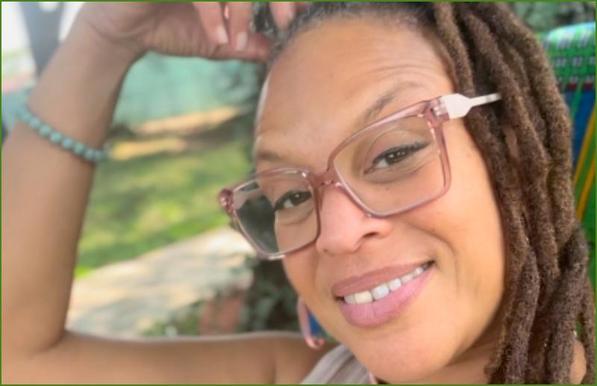
Woman Ditches the U.S. and Chooses Ghana for Good After 24 Years: ‘I Am My Ancestors’ Greatest Prayer’ https://shinemycrown.com/woman-ditches-the-u-s-and-chooses-ghana-for-good-after-24-years-i-am-my-ancestors-greatest-prayer/?utm_source=dlvr.it&utm_medium=mastodon #Ghana #SpiritualJourney #ReturnToRoots #BlackExcellence #CulturalHeritage
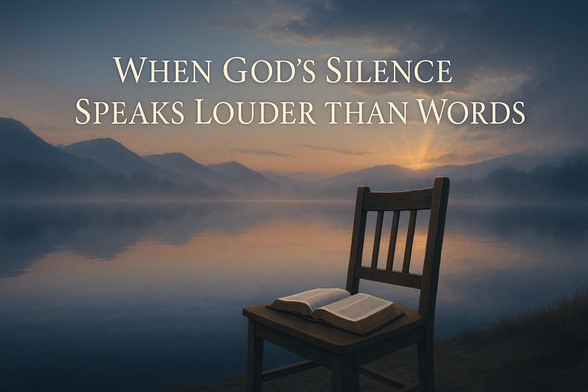
When God’s Silence Speaks Louder Than Words
1,031 words, 5 minutes read time.
“The Lord is in his holy temple; let all the earth be silent before him.”
— Habakkuk 2:20 (NIV)
The Deafening Quiet
Have you ever poured out your heart to God—desperate, pleading, completely vulnerable—only to be met with… silence?
No burning bush. No audible voice. No immediate answer.
Just quiet.
I’ve been there. Kneeling beside my bed, tears streaming down my face, begging God for direction, for relief, for anything—and feeling like my prayers were bouncing off the ceiling. In those moments, the silence felt like absence. Like abandonment.
But what if God’s silence isn’t absence at all? What if it’s actually a different kind of presence?
Biblical Silence: You’re in Good Company
Scripture is filled with seasons of divine silence:
Joseph sat in prison for years, falsely accused, seemingly forgotten. The Bible doesn’t record God speaking to him during that dark time. Yet God was positioning him for purpose (Genesis 39-41).
The Israelites endured 400 years of silence between the Old and New Testaments—no prophets, no direct word from God. But God was preparing the world for the arrival of the Messiah.
Jesus himself experienced the silence of the Father on the cross, crying out, “My God, my God, why have you forsaken me?” (Matthew 27:46). Even in that moment of profound silence, redemption was being accomplished.
If these pillars of faith walked through valleys of divine silence, perhaps it’s not a sign of God’s distance but rather a sacred part of our spiritual journey.
What God’s Silence Might Be Saying
1. “I’ve Already Answered”
Sometimes God’s silence is an invitation to remember. He may have already given you the wisdom, scripture, or direction you need—and the silence is space for you to apply it.
“I have hidden your word in my heart that I might not sin against you.” (Psalm 119:11)
2. “Wait—I’m Working”
Silence can be the sacred pause between prayer and provision. God is rarely early, but He’s never late. In the waiting, He’s often working behind scenes we cannot see.
“Be still before the Lord and wait patiently for him.” (Psalm 37:7)
3. “Trust Me Without the Signs”
Sometimes God withdraws the constant reassurance to deepen our faith. He’s inviting us to trust His character, not just His communication.
“Blessed are those who have not seen and yet have believed.” (John 20:29)
4. “Listen Deeper”
God may be speaking in whispers rather than shouts—through creation, community, circumstances, or the still, small voice that requires absolute quiet to hear.
“He says, ‘Be still, and know that I am God.'” (Psalm 46:10)
How to Respond to God’s Silence
Don’t equate silence with absence. The sun doesn’t cease to exist when clouds cover it. God is present even when He feels distant.
Keep showing up. Continue in prayer, worship, and reading Scripture. Faithfulness in the silence builds spiritual muscle.
Look for Him in unexpected places. God may be speaking through a friend’s encouragement, a verse that jumps off the page, or a door that opens (or closes).
Remember His track record. Journal about times God has been faithful before. Let your history with Him anchor your hope.
Surrender the timeline. Release your grip on when and how God should answer. Trust His wisdom over your urgency.
A Different Kind of Intimacy
I’ve come to believe that God’s silence is sometimes His greatest act of trust in us.
He’s saying: “I’ve taught you. I’ve equipped you. I’ve shown you who I am. Now walk in what you know, even when you can’t feel Me.”
This is the faith that pleases Him—not the faith that needs constant confirmation, but the faith that stands firm when the skies seem silent.
The silence doesn’t mean He’s stopped caring. It means He’s inviting you into a deeper, more mature relationship—one built on trust rather than transaction, on His character rather than constant communication.
Reflection Questions
Closing Prayer:
Father, when I cannot hear Your voice, help me to trust Your heart. Remind me that Your silence is not rejection but invitation—to deeper faith, greater trust, and more intimate relationship. Teach me to be still. Teach me to wait. Teach me to believe even when I cannot see. I choose to trust that You are working, even now, in the quiet. In Jesus’ name, Amen.
Today’s Declaration:
God’s silence in my life does not mean His absence. He is present, He is working, and He is faithful—even when I cannot hear Him.
Call to Action
If this devotional struck a chord, don’t just scroll on. Join the brotherhood—men learning to build, not borrow, their strength. Subscribe for more stories like this, drop a comment about where you’re growing, or reach out and tell me what you’re working toward. Let’s grow together.
D. Bryan King
Sources
- Habakkuk 2:20 – The LORD is in His Holy Temple (Bible Gateway)
- Psalm 46:10 – Be Still and Know That I Am God (Bible Gateway)
- Psalm 37:7 – Wait Patiently for the LORD (Bible Gateway)
- 1 Kings 19:11-13 – Elijah and the Still Small Voice (Bible Gateway)
- Matthew 27:46 – Jesus’ Cry on the Cross (Bible Gateway)
- Genesis 39-41 – Joseph’s Journey from Prison to Palace (Bible Gateway)
- When God Is Silent – John Piper, Desiring God
- What to Do When God Is Silent – Crosswalk
- What Do We Do with God’s Silence? – Christianity Today
- Silence – Baker’s Evangelical Dictionary (Bible Study Tools)
- Why is God Silent? Does God Still Speak Today? – Got Questions
- Psalm 37 Commentary – David Guzik (Blue Letter Bible)
- When God Seems Silent – Proverbs 31 Ministries
- When God Seems Silent – The Gospel Coalition
- Psalm 62 – Waiting in Silence for God Alone (Bible Study Tools)
Disclaimer:
The views and opinions expressed in this post are solely those of the author. The information provided is based on personal research, experience, and understanding of the subject matter at the time of writing. Readers should consult relevant experts or authorities for specific guidance related to their unique situations.
#biblicalFaith #biblicalSilence #biblicalWisdom #christianBlog #christianDevotional #christianEncouragement #christianLiving #dailyDevotional #darkNightOfTheSoul #deepeningFaith #discernment #divineSilence #doubtAndFaith #faithAndTrust #faithBlog #faithDevelopment #faithDuringSilence #faithEncouragement #faithStruggles #faithWithoutAnswers #feelingAbandonedByGod #godFeelsDistant #godNotAnsweringPrayers #godsFaithfulness2 #godsPresence #godsSilence #godsWill2 #hearingFromGod #hearingGodsVoice2 #intimateRelationshipWithGod #knowingGod #matureFaith #patienceInFaith #perseveranceInFaith #prayerLife #prayersNotAnswered #quietTimeWithGod #scriptureMeditation #seasonsOfSilence #spiritualDisciplines #spiritualDryness #spiritualGrowth #spiritualIntimacy #spiritualJourney #spiritualMaturity #spiritualSilence #spiritualWaiting #steadfastFaith #trustingGod #trustingGodsCharacter #trustingGodsTiming2 #trustingInWaiting #unansweredPrayers #waitingForGodsAnswer #waitingOnGod #walkWithGod #whenGodIsSilent #whereIsGod #whyGodIsQuiet
 EarthStarRising
Feeling lost means you’re in the initiation. The rebirth is coming.
#rebirth #spiritualjourney #earthstar #awakeningprocess #ascension
#rebirth #spiritualjourney #earthstar #awakeningprocess #ascension
 JapanTripIdeas
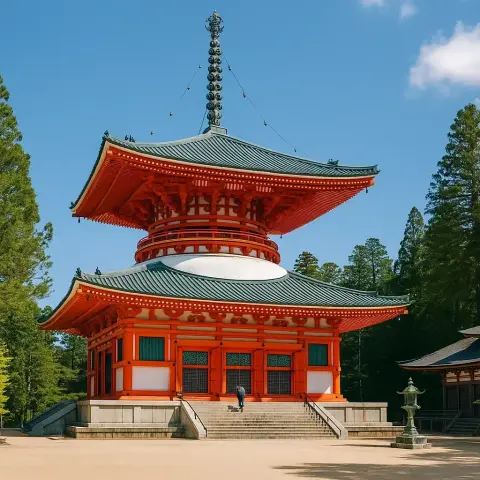
🌸Experience the serene beauty of Koyasan in Wakayama, Japan. 🏯Explore ancient temples, meditate with monks, and indulge in traditional cuisine. 🍜Discover the spiritual side of Japan. #Koyasan #Wakayama #JapanTravel #TempleStay #CulturalExperience #SpiritualJourney https://www.japantripideas.com/en/kansai/wakayama/koyasan