 The Style mix
How Your Nervous System Plays a Crucial Role in Regulating Skin Barrier Integrity
Have you ever noticed how your skin changes when you’re stressed? It’s fascinating and a bit alarming. Your skin reacts to stress hormones before you even realize it.
This shows how our emotions and physical appearance are connected. Conditions like acne and eczema can show this connection.
Dr. Keira Barr, a leading dermatologist, says our skin reflects our internal health. It shows our emotions and can signal tension before we notice it. Knowing this can help you manage stress skin.
In this guide, you’ll learn to spot signs of overstimulation. You’ll find ways to restore your natural glow. We’ll explore how your body talks to you through your skin and the role of the autonomic nervous system.
Introduction: The Hidden Connection
Isn’t it intriguing how stress can visibly alter your appearance? Research has shown how our emotions affect our health, including skin conditions like acne and psoriasis.
The skin is a primary sensing organ. It reacts to stress and signals responses that affect our immune function. Researchers have found a link between our emotions and our skin.
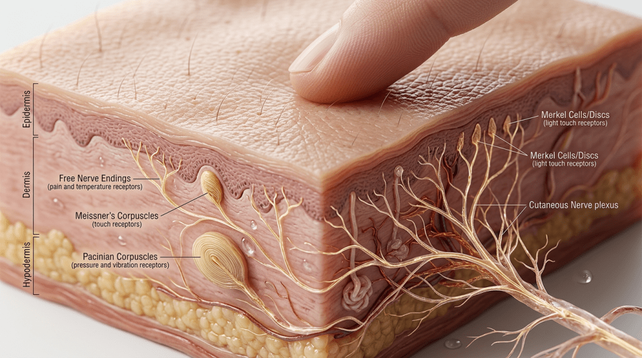
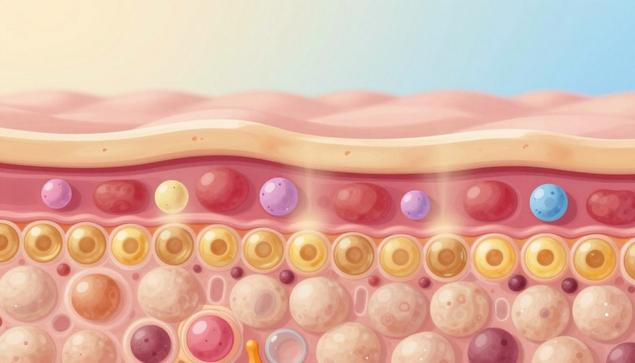
Think of your skin as a protective brick wall. The lipid matrix is like mortar, keeping moisture in and irritants out. Many young adults compromise this layer, leading to aging and stress skin.
Using too many active ingredients and aggressive exfoliation can damage your skin. A weakened barrier is like a house with broken windows, letting harmful elements in.
Keeping a healthy balance is key for long-term skin health. The epidermis constantly renews itself. Supporting this process is important, considering the brain and nerve activation in healing.
Unveiling the Science Behind Your Skin Barrier
Isn’t it interesting how your emotional state can manifest on your face? Your skin barrier is vital. It protects moisture, offers immune defense, and ensures balance. This is crucial for preventing conditions like psoriasis and acne.
The outermost layer, the stratum corneum, is made of dead cells in a lipid matrix. This structure is essential for protecting your internal tissues and supports the brain and nerve activation.
Unfortunately, many Gen Zers compromise this structure. They use harsh chemicals and excessive exfoliation, stripping away the protective lipid layer. This can accelerate aging and disrupt healing.
Imagine your skin barrier as a high-tech security system. It monitors the environment while keeping moisture levels stable. Stress can disrupt this, leading to sensitivity and dryness, affecting your heart rate and well-being.
Read more: Easy Insulin-Friendly Dinner: Flavorful and Filling Recipe
The Nervous System’s Impact on Skin Health
Your emotional state can significantly influence your skin’s health. Stress raises your body’s response, releasing CRH. This hormone stimulates cortisol production, causing skin issues like psoriasis and aging.
Stress can put your body in a fight-or-flight state. This triggers inflammatory cytokines, causing redness and irritation. Cortisol can also disrupt oil production, leading to breakouts and affecting your skin’s immune response.
Chronic stress slows down your skin’s repair processes, making it look dull and tired. Relaxation promotes healing and reduces inflammation, restoring a healthy glow.
Stress-induced cortisol can also mess with your skin’s circadian rhythm. This is important for optimal function. Keeping balance is key for radiant skin.
How Stress Manifests on Your Skin
Stress can visibly alter your complexion in ways you might not expect. It shows how our feelings can lead to skin problems, like psoriasis. Stress can cause sudden breakouts because your body can’t handle it well.
When using products, if they burn your skin, it’s a sign of trouble. This shows your skin is overworked from stress.
Feeling sensitive or having red skin is a sign of trouble too. It means your skin’s immune system is stressed, affecting blood flow and aging.
Stress can also make your skin puffy. It messes with your body’s lymphatic system. And, it can make your skin look dull and tired.
Understanding the Connection: Skin Barrier, Nervous System Regulation
Isn’t it amazing how our feelings can affect our health? The skin reflects our emotional state. Dr. Keira Barr says it shows how our nervous system is doing.
This bidirectional connection means skin problems can show when we’re stressed. Knowing this helps us treat the root cause, not just symptoms.
Feeling safe helps your body stay balanced. This lets your skin work right. But, stress can upset this balance, causing problems.
Mechanisms: How the Nervous System Controls Your Skin
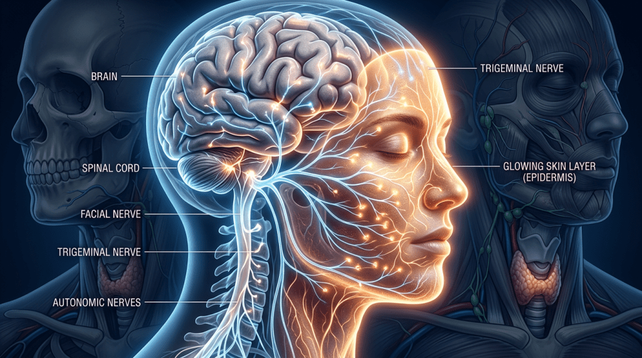
Stress can start a chain of hormonal changes that affect how you look. The HPA axis in the brain is key. It releases hormones that affect skin cells.
When we’re stressed, the SAM axis releases epinephrine. This can cause inflammation and redness, seen in skin conditions like psoriasis.
Peripheral nerves in the skin also play a part. They release neuropeptides that cause inflammation and affect healing.
Prolactin, a stress hormone, affects oil production and skin sensitivity. This can make your skin look older.
Mast cells are important in inflammation. They release substances when stressed. Knowing this helps manage skin health.
Visualizing Skin Barrier Damage: A Metaphorical Insight
It’s interesting to see how feelings can change your skin. Think of your skin as a delicate garden. It needs care to stay healthy.
Chronic stress is like a drought for your skin. It can make your skin look older.
Stress can weaken your skin’s barrier. It’s like neglecting a bridge. Your skin can’t repair itself well.
If you ignore skin problems, it’s like letting a bridge crumble. Your skin can’t regain its glow and health.
Recognizing the Signs of Nervous System Overstimulation
Many patients don’t realize how their emotional health can manifest on their skin. When your body stays alert without danger, it’s overstimulated. This can cause many physical signs.
Your skin might feel reactive or inflamed. This is a sign of stress. When your nerves are out of balance, even simple things can feel too much.
Look for signs like redness and puffiness. These show your body is stressed. Spotting these signs early helps your healing.
Stopping inflammation early can prevent big problems like psoriasis. Knowing how your body reacts and the brain’s role helps keep your skin healthy.
Strategies to Calm an Overactive Nervous System
Finding ways to calm your body can significantly improve your overall well-being. Managing stress is key for healthy skin. Dr. Keira Barr shares some great ways to do this.
Try these tips:
- Breathwork: This lets you control your breathing. It helps you relax.
- Grounding: Connect with the ground. It keeps your mind in the now.
- Cold exposure: It can lower inflammation and calm your body after a stressful day.
- Slow mornings: Start your day slowly. It avoids the stress of rushing.
- Vocalization: Humming or singing can release energy and balance your nerves.
Using these therapeutic methods can help manage stress and improve your skin.
Repairing and Rebuilding Your Skin Barrier
The journey to restore your complexion begins with understanding its needs. Filaggrin protein is key for a healthy skin layer.
Start with a gentle cleanser. It removes dirt without harming your skin’s protective layer.
Then, use a hydrating serum with ceramides. They help rebuild your skin’s moisture barrier.
Don’t forget daily SPF. It protects your skin from UV damage and inflammation.
Choose products that help your skin heal naturally. Avoid harsh ingredients that can harm your skin.
Consistency is important. Your skin needs time to heal and form a strong barrier.
Curated Barrier-Safe and Calming Skincare Products
Choosing the right products can calm your skin during stress. It’s vital to pick skincare that supports your well-being. Here are some good options:
- Barrier-safe cleansers: Choose a cleanser that keeps your skin’s pH balanced. This is important for healing.
- Calming serums: Serums with niacinamide or centella asiatica soothe stress-induced inflammation.
- Ceramide-rich moisturizers: These moisturizers mimic your skin’s natural structure. They help heal and fight aging signs.
- Mineral-based SPF: Mineral sunscreens protect without irritating your skin, supporting its defense.
- Aromatherapeutic facial mists: Facial mists with calming scents can signal safety to your body. They help your nerves and stress response.
These products can help your skin handle stress better. They support your skin’s connection to your overall health.
Step-by-Step Guide to Achieving a Balanced, Glowing Complexion
Achieving a balanced complexion is a journey that starts with understanding your environment. Start your day by noticing the colors and textures around you. This helps you feel safe.
Then, do a gentle skincare routine. Focus on keeping your skin hydrated and healthy. Avoid harsh treatments.
Use breathwork during the day. It helps you stay calm and in your comfort zone. This is key for managing stress.
In the evening, try contrast therapy or a warm compress. It helps your blood flow and signals it’s time to relax.
End your day with a consistent routine. This tells your skin it’s safe and helps it repair and grow overnight.
Expert Insights: Dr. Keira Barr on Stress and Skin Health
The interplay between mental well-being and skin health is a crucial topic in dermatology. Dr. Keira Barr says unresolved trauma can cause chronic conditions in her patients.
Many patients feel their skin issues deeply. This can make them adopt bad habits that hurt their skin more.
Dr. Barr teaches her patients to be more aware of their bodies. She has them breathe with her during visits. This keeps them in the present moment.
Even if skin isn’t perfect, somatic practices can improve life quality. This shows the importance of emotional health for physical symptoms.
Conclusion
Your emotional state can have a big impact on how you look to others. Understanding this connection is key to your health. By focusing on your internal balance, you can manage stress and inflammation.
Healing takes time and patience. Creating a safe space in your life will show in your appearance. Using gentle skincare and somatic awareness helps your skin face challenges better.
Start your journey to balance your emotional and physical health. Every step you take helps your long-term health and strength.
Disclaimer: The information provided in this blog is for educational and informational purposes only and is not intended as medical advice. We are not a medical professional, and the content shared here—including recipes, nutrition tips, and discussions related to insulin, blood sugar, or metabolic health—should not be used to diagnose, treat, cure, or prevent any medical condition.
Always consult with a qualified healthcare provider before making changes to your diet, medications, or lifestyle, especially if you have diabetes, insulin resistance, or any other health condition. Individual needs vary, and what works for one person may not be appropriate for another.
By using this site, you acknowledge that you are responsible for your own health decisions and agree that the author is not liable for any outcomes related to the use of the information provided.
#Lifestyle #barrierRepairSkincare #beautyOver40 #beautyOver50 #blog #HealthyAging #healthySkinTips #holisticSkincare #howStressAffectsSkin #mindSkinConnection #mindfulness #nervousSystem #nervousSystemAndSkin #nervousSystemSupport #skinBarrier #skinBarrierFunction #skinBarrierHealth #skinBarrierRepair #skinInflammationCauses #skinWellnessOver60 #skincareForMatureWomen #stressAndSkin #stressManagement #stressInducedSkinIssues #Style #wellnessForWomen #womenSkinOver40 #womenSkinOver50 #womenSkinOver60