 The Style mix
The Impact of Stress on Your Skin: Exploring Cortisol, Acne, and Signs of Aging
Ever notice how your skin changes when life gets tough? Our feelings and looks are closely linked. For ages, people have seen emotions show on their faces. Now, science is finding out how stress affects our skin.
Scientists have studied this for over 20 years. They found that our mind and body are connected. Stress can make our skin worse and increase stress levels.
In this guide, we’ll show you how to spot signs your skin is stressed. You’ll learn ways to make your skin better. This will help you fight stress’s effects on your skin.
You Changed Your Products… So Why Is Your Skin Still Struggling?
Why does your skin still struggle even after switching products? Many people face this problem. Studies show that internal responses often cause issues, not just what we put on our skin. Stress can harm skin cells and cause symptoms.
Switching products might feel like a new start. But, many people still see inflammation. This can be upsetting, especially when you’ve spent a lot of time and money looking for the right products. Stress can also affect hormone levels, making things worse.
The skin is not just a barrier. It reacts to stress and pressure. When we feel tense, our body changes hormones. This can make even the best skincare products less effective.
Knowing what’s happening inside your body is key. By focusing on internal triggers, you can solve skin problems like psoriasis. It’s time to look at how our internal state affects our health.
The Missing Link: Internal Stress and Its Impact on Skin Health
Ever wondered why your skin doesn’t get better despite trying new skincare? This problem often comes from internal stress. Understanding this link is crucial for better skin and fighting stress.
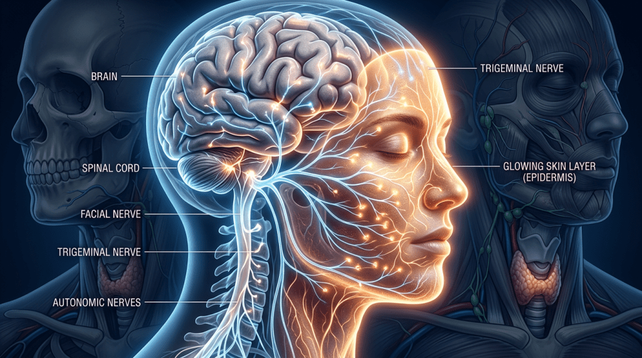
Research shows that our skin and brain are connected. This connection helps control our immune and hormonal responses. Stress can make our skin release hormones that change blood flow and cell production.
Here are some insights into this fascinating relationship:
Key InsightsDescriptionCommunication NetworkThe skin and brain come from the same ectoderm, making a direct connection.Response to PressureStress makes our skin produce hormones that can worsen conditions like psoriasis.Persistent SensitivityEven top products won’t help if internal stress isn’t fixed.Healing EnvironmentKnowing about internal stress helps create a better environment for your skin to heal.By understanding how our internal signals affect our skin, we can stop the endless search for the right products. Focus on caring for your skin in a holistic way. This will help fight aging and stress.
Science Simplified: From Cortisol to Skin Inflammation
Is your skin showing the stress you feel? Knowing how hormones change your skin is key. Cortisol, the main stress hormone, affects how skin cells grow.
When you’re stressed, cortisol goes up. This can cause inflammation, breakouts, and dull skin. Your skin’s barrier gets weaker, making it hard to keep moisture in. This can make psoriasis worse.
Here’s a breakdown of cortisol’s effects:
EffectDescriptionInflammationCortisol release starts an inflammatory response that can cause redness and irritation.Skin BarrierHigh cortisol weakens the skin barrier, leading to more water loss.BreakoutsHigh cortisol levels can cause unexpected breakouts.DullnessHormonal changes can make your skin look dull.Knowing how cortisol affects your skin helps you take care of it better. Taking steps to support your skin’s health is important for a glowing complexion.
stress and skin, cortisol and acne, stress aging skin, inflammation skin causes
Ever thought about how stress affects your skin? Stress and skin health are linked through hormones and the immune system. Stress can change cortisol levels, affecting your skin, including psoriasis.
Cortisol and acne are connected because it makes sebaceous glands work more. This means more oil, which can clog pores and cause breakouts. Stress also makes skin age faster, breaking down important proteins and affecting skin health.
Also, stress can cause inflammation in the skin. This is because of the activation of the peripheral HPA axis. It releases pro-inflammatory cytokines into the skin, causing problems. Keeping cortisol levels stable is key to avoiding these issues.
Understanding these connections is crucial for finding effective ways to improve your skin. By focusing on stress, cortisol, and inflammation, you can work towards healthier skin through the right treatments.
Understanding Adult Acne: Beyond Topical Treatments
Ever felt frustrated when your skincare doesn’t work? Many adults face this issue. Despite trying many products, acne often stays, leaving them disappointed.
Research from Stanford University shows that stress, like during exams, can make acne worse. This shows adult acne is often due to internal hormonal signals, not just external factors. Stress and hormone production are directly linked to skin health.
When stressed, your body makes more oil in skin cells. This is perfect for breakouts. Relying only on creams and lotions often misses these deeper hormonal causes, like psoriasis.
Feeling down when treatments don’t work is common. It usually means there are deeper issues, like aging and hormonal imbalances. Moving past just using creams is key to managing adult acne.
By seeing how stress affects your skin, you can take a more complete approach to skin health. This can help reduce breakouts and improve your skin’s clarity.
FactorImpact on AcneEmotional PressureIncreases oil production, leading to more breakouts.Topical TreatmentsOften ineffective if hormonal triggers are not addressed.Skin Cells ReactionAdult acne reflects internal hormonal responses.How Internal Stress Triggers Breakouts and Sensitivity
Do you notice changes in your skin when life gets tough? Stress and hormonal changes can affect your skin. Knowing this helps keep your skin healthy.
When stress hits, your body uses the 11β-HSD1 enzyme. This enzyme turns inactive cortisone into active cortisol in your skin. This can cause inflammation and weaken your skin, making conditions like psoriasis worse.
Your skin becomes more sensitive to things outside when it’s weak. You might feel your skin is tight, red, or reacts easily. These signs show your skin is under stress, affecting its health.
Knowing how stress affects your skin helps you choose better skincare. Here are some important points:
InsightDescriptionEnzyme ActivationStress turns on the 11β-HSD1 enzyme, raising cortisol levels and affecting hormone balance.Barrier FunctionMore cortisol causes inflammation and weakens the skin barrier, making it age faster.Skin SensitivityA weak barrier makes your skin more sensitive to irritants, hurting skin cell health.Physical SignsTightness, redness, and reactivity show a weak barrier, often tied to hormonal imbalances.Understanding these links helps support your skin when it’s hard. Fighting internal stress is key to fixing your skin and reducing breakouts.
The Science Behind Cortisol-Induced Acne and Aging
Could your mood affect your skin? Chronic stress can make wrinkles and fine lines show up sooner.
Here are some key insights into how hormonal imbalances affect your skin:
ImpactDescriptionAccelerated AgingChronic stress triggers cortisol release, breaking down collagen and elastin.Oxidative StressHigh-stress levels create free radicals that damage skin cells, leading to premature aging.Inflammation CycleHormonal imbalances affect skin cells, resulting in a cycle of inflammation and impaired repair.Collagen BreakdownLoss of collagen contributes to a dull appearance and decreased firmness over time.Weakened BarrierScientific research shows that hormonal shifts weaken the skin barrier, complicating maintenance.Understanding these scientific connections empowers you to make lifestyle choices that protect your collagen and maintain your skin’s vitality. By addressing oxidative stress, you can help your skin regain its natural resilience and youthful glow.
Recognizing the Signs of Stress-Related Skin Inflammation
Could your skin be showing the hidden effects of emotional strain? Recognizing these signs is key to addressing stress skin.
A large-scale study by INSTYTUTUM involving 12,259 women showed that 42% experienced sensitive skin due to prolonged challenges. Also, 21% of women showed visible inflammatory signs, which an AI model identified with 98% precision. This highlights the impact of hormones on skin health.
Visible redness and unexpected irritations are common signs your skin cells are struggling. Chronic emotional pressures often show as persistent sensitivity. This can be mistaken for a reaction to a new product. Stress plays a big role in hormone production here.
By learning to identify these patterns, you can tell if it’s a product issue or stress. Knowing these data-backed findings shows you’re not alone in your struggle with stress-affected skin, including conditions like psoriasis.
Signs of Stress Skin
Do you know if your daily habits affect your skin? Simple changes can make a big difference, especially for those with stress skin like psoriasis. Eating right and staying active can help fight stress effects.
Eating foods rich in omega-3 fatty acids is great for your skin. Salmon and walnuts are good choices. They help fight inflammation and support hormone balance.
Exercise is also key. It lowers cortisol and helps manage stress. Plus, it boosts your mood and fights aging.
Here are some lifestyle changes to consider:
AdjustmentBenefitOmega-3 Fatty AcidsReduce inflammation and support skin barrier function.Regular ExerciseLowers cortisol levels and improves overall well-being.Antioxidant-Rich DietProtects skin cells from oxidative stress damage.Mindful EatingEncourages healthier food choices for better skin health.By changing your lifestyle, you can improve your skin. These changes help your skin and overall health.
The Role of Sleep and Relaxation in Calming Your Skin
Does your sleep quality affect your skin? Sleep is key for a healthy complexion. Poor sleep can weaken your skin barrier.
Mindfulness and rest help your body recover from stress. This is important for calming your skin. Sleep is when your skin cells repair themselves.
Adding relaxation to your day can help your skin. Here are tips for better sleep:
PracticeBenefitQuality SleepSupports skin barrier function and overall health.Mindfulness TechniquesHelps lower anxiety and promotes relaxation.Consistent Sleep ScheduleEnhances skin repair processes during the night.Calming Evening RoutinePrepares your body for restful sleep and reduces cortisol levels.Rest is important for lowering cortisol and reducing inflammation. Knowing how sleep affects your skin is crucial for managing stress.
Holistic Approaches: Integrating Mind, Body, and Skincare
Do you think your feelings can change how your skin looks? Emotional health and how we look are closely linked. A holistic approach combines mind, body, and skincare to tackle emotional health issues.
Meditation and stress relief can calm your nervous system. This improves your mental state and skin health. It helps your skin by improving blood flow and cell growth.
By treating your body as a whole, you can manage chronic stress. This stress can harm your skin, leading to problems like psoriasis and faster aging.
Adding mindfulness to your routine can make your skin stronger. Here’s how holistic care works:
AspectBenefitMindfulnessIncreases awareness of stress triggers, allowing proactive responses.Holistic CareRecognizes that your skin reflects your internal state.Routine BuildingSupports mental well-being while nurturing your skin.Actionable StepsHelps achieve a balanced state for long-term skin health.By focusing on these practices, you can create a routine that benefits your mental health and skin. This balanced approach leads to long-term skin health improvements.
Professional Guidance and Treatments for Stress-Affected Skin
Is it time to get expert advice for your skin’s ongoing challenges? When dealing with persistent skin conditions, professional guidance is key.
A dermatologist can offer specialized treatments for stress-affected skin. Their expertise ensures your care plan is based on human-specific research. This is important because human and mouse skin are only 30% similar.
If chronic stress is affecting your skin, a professional can help. They can repair your skin barrier and ease inflammation and sensitivity symptoms.
Working with a specialist lets you create a personalized plan for your skin. Seeking expert help is a proactive step toward better skin and a better life.
Calming Your Nervous System to Improve Skin Response
What if managing your body’s stress response could improve your skin? The skin is not just a barrier; it’s active in stress response. It has its own stress system, affecting skin health.
By reducing stress, you signal to your body that it’s safe. This improves your overall health. A calm nervous system helps your skin maintain its barrier and control inflammation, reducing aging and psoriasis risks.
Here are ways to calm your body and promote healthier skin cells:
- Mindfulness Meditation: It lowers anxiety and balances hormones.
- Deep Breathing Exercises: They reduce tension and promote relaxation, benefiting skin.
- Regular Physical Activity: Exercise lowers cortisol, good for stress skin.
- Consistent Sleep Schedule: Sleep helps your body recover and rejuvenate, supporting skin health.
Improving your skin’s response requires managing stress factors. You’ll learn to monitor your skin’s reaction to different techniques. This focus is key to a healthier, balanced complexion.
Revisiting Your Skincare Routine: A Balanced Approach
What if changing your routine could make your skin healthier? A balanced skincare approach is key. It helps your skin work well without getting too stressed.
Using gentle treatments is important. They keep your skin’s barrier strong while fixing problems. Simple products help avoid irritation and let your skin heal.
We’ll help you pick products that help your skin. Choose ingredients that calm inflammation and fix your skin’s barrier.
Think about your skin and your nervous system together. Adjust your routine to meet your skin’s needs. This keeps your skin strong and healthy.
This part shows how to make a skincare plan that’s good for you. It’s about being effective and caring for your well-being.
Key ElementDescriptionGentle TreatmentFocuses on respecting the skin barrier while addressing concerns.Product SimplificationReduces irritation risk and allows recovery from stress effects.Ingredient SelectionPromotes healing and soothes inflammation effectively.Routine AdjustmentEnsures skin remains resilient based on current needs.Transform Your Skin by Treating Internal Stress
What if your mental health affects your skin more than you think? The link between your mind and skin is deep. This connection can be broken by tackling stress inside.
Improving your skin starts with your inner health. When you feel safe, your skin gets better. This is because your body makes more healthy skin cells.
Focus on your mental and physical health. This makes your skin look better. It’s not just about looks; it’s about being healthy from the inside out.
Creating a safe space for your nervous system helps your skin heal. You can change your skin’s future by managing stress and its effects on your skin.
Conclusion
Do you know how much your feelings affect your skin? Taking care of your inner self is key for a healthy look. Knowing how your emotions and skin are connected helps you improve your skin’s health.
There are many ways to help your skin, from small changes to professional help. Remember, your skin shows what’s going on inside you. So, calming your body is crucial.
We encourage you to try the tips we shared to get clearer, healthier skin. Every small step helps your skin get better.
Thank you for learning about how your emotions and skin health are connected. We wish you success in getting healthier skin.
#Lifestyle #antiAgingSkincareTips #beautyOver40 #blog #cortisolAndAcneConnection #cortisolAndSkin #HealthyAging #holisticSkincare #howStressAffectsSkin #matureSkinCare #nervousSystemAndSkin #prematureAging #sensitiveSkinTriggers #skinAging #skinBarrierDamage #skinBarrierHealth #skinInflammation #stressAcne #stressAndInflammation #stressAndSkin #stressAndWrinkles #stressManagement #stressInducedBreakouts #Style #wellnessForWomen