 Dan Stafford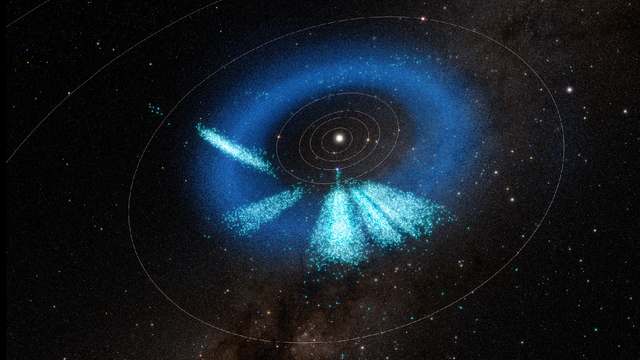
 Zorz Studios
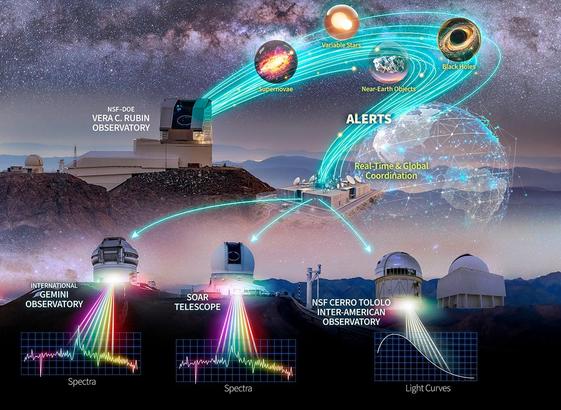
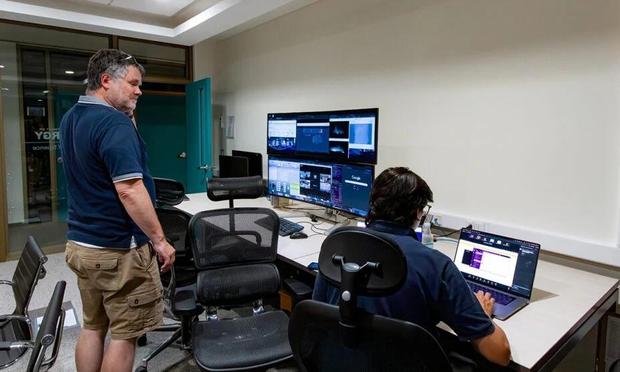
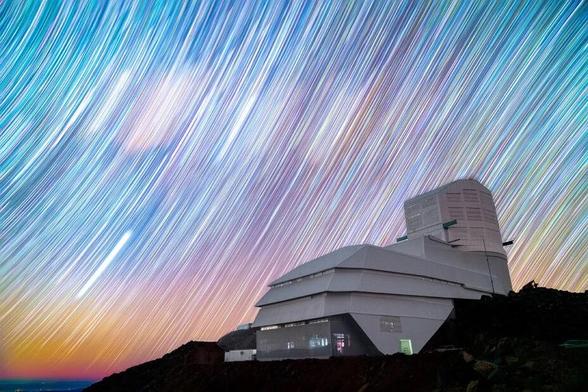
#RubinObservatory alert triggers first real-time follow-up observations: https://zorz.it/EiQCr
#SoumyadeepMukherjee #SpacePhotography #AlertStream #TelescopeObservations #NSFNOIRLab #LSSTCamera #SOARTelescope #SolarSystem
#RubinObservatory alert triggers first real-time follow-up observations: https://zorz.it/EiQCr
#SoumyadeepMukherjee #SpacePhotography #AlertStream #TelescopeObservations #NSFNOIRLab #LSSTCamera #SOARTelescope #SolarSystem
ASTEROID ALLEGATIONS MOUNT AS RUBIN OBSERVATORY SPINS EARLY HAUL
Rubin Observatory found over 11,000 new asteroids in early tests. This data helps scientists understand our solar system better. What does this mean for us?
#AsteroidDiscovery, #RubinObservatory, #SpaceScience, #SolarSystem, #AstronomyNews
https://newsletter.tf/rubin-observatory-finds-11000-new-asteroids-early/
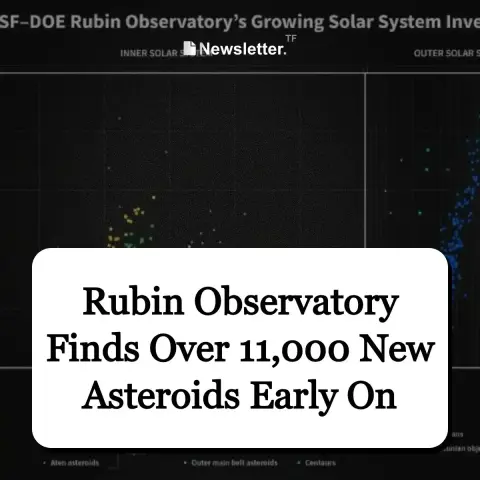
Rubin Observatory found over 11,000 new asteroids in early tests, which is a huge number. This data could change how we see our solar system.
#AsteroidDiscovery, #RubinObservatory, #SpaceScience, #SolarSystem, #AstronomyNews
https://newsletter.tf/rubin-observatory-finds-11000-new-asteroids-early/
Rubin Observatory team discovers 11,000 new asteroids
The Vera C. Rubin Observatory’s science team has discovered more than 11,000 new asteroids — a feat made possible by the Simonyi Survey Telescope’s advanced capabilities and data-crunching software developed at the University of Washington.
R
https://cosmiclog.com/2026/04/03/rubin-observatory-team-discovers-11000-new-asteroids/
#GeekWire #Asteroids #Astronomy #BigData #DIRACInstitute #RubinObservatory #Space #UniversityOfWashington
NOIRLab image of the week
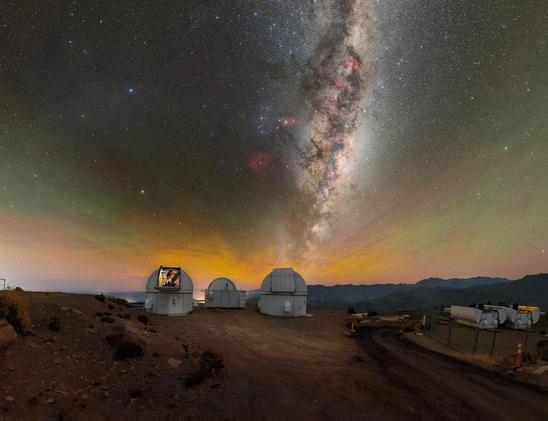
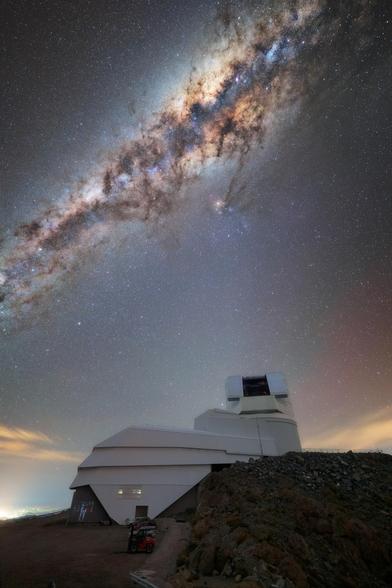
Rubin’s Eyes Wide Open
Credit: NSF-DOE Vera C. Rubin Observatory/NOIRLab/SLAC/AURA/H. Stockebrand
https://noirlab.edu/public/images/iotw2613a/
#NOIRLab #Astronmy #Rubin #RubinObs #RubinObservatory #Astrophysics #Astrodon #photography #astrophotography #nightphotography #Chile #MilkyWay
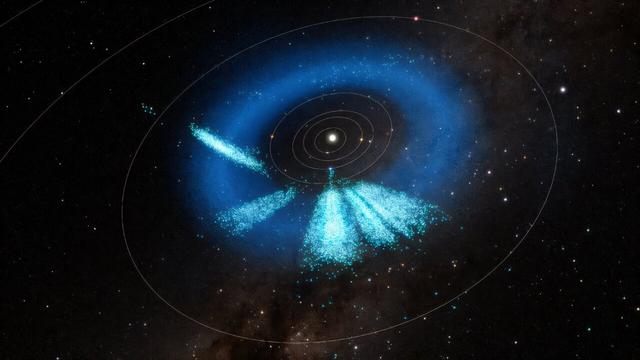
Using preliminary data from the Vera C. Rubin Observatory, scientists have discovered over 11,000 new asteroids. The data were confirmed by the International Astronomical Union's Minor Planet Center (MPC), making this the largest single batch of asteroid discoveries submitted in the past year. The discoveries were made using data from Rubin's early optimization surveys and offer a powerful preview of the observatory's transformative impact on solar system science.
Spot the Viscacha
Somewhere in this image of NSF-DOE Vera C. Rubin Observatory is a viscacha - a rabbit-like rodent related to chinchillas. The furry creature is well-camouflaged for the foothills of the Chilean Andes surrounding Rubin.
Credit: NSF–DOE Vera C. Rubin Observatory/NOIRLab/SLAC/AURA/I. Sullivan
https://noirlab.edu/public/images/XS205018-CC/
#Viscacha #RubinObservatory #Chile #Andes #ChileanAndes #Astronomy #Astrodon #science #photography #Chinchilla #rabbit

Astronomy has a new “eye”.
The giant camera of the Rubin Observatory (3.2 gigapixels, the largest ever built) will continuously scan the sky to better understand the formation of our solar system.
🔗 https://phys.org/news/2026-03-world-biggest-astronomy-camera-universe.html
#Astronomy #RubinObservatory #Cosmology #SpaceScience #SkySurvey
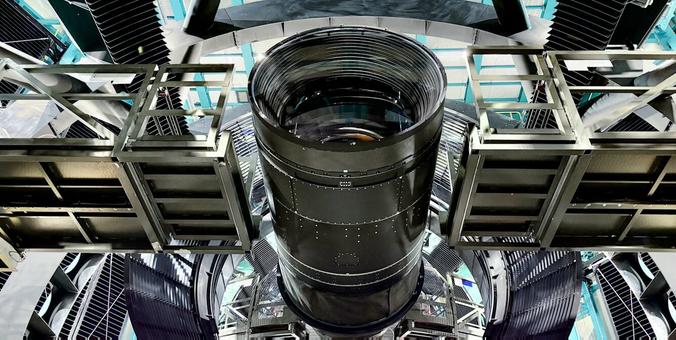
The Vera C. Rubin Observatory has started releasing its first discoveries: including supernovae, variable stars and asteroids, which will from now on be discovered at an astonishing rate as it begins its Legacy Survey of Space and Time, a ten-year survey probing the deepest reaches of the universe.
 NewsletterTF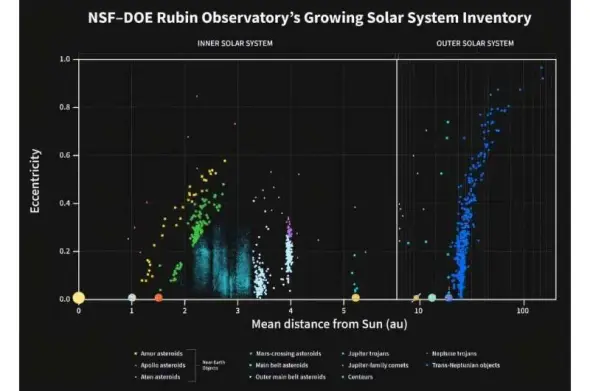
 Cosmic Log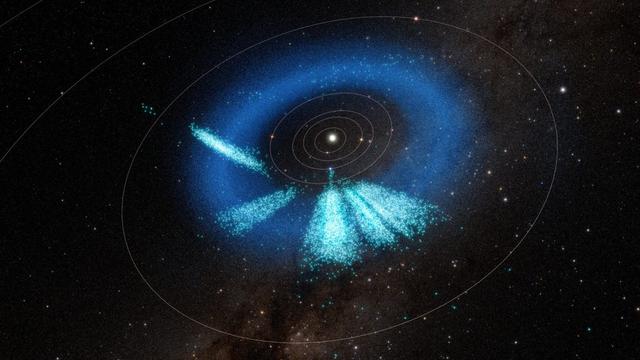
 Alan Boyle
 Daniel Pomarède
 matecurkovic
 LeidenForce