
The Gentleman’s Guide to Ham Radio: Unwritten Rules for Modern Operators

1,301 words, 7 minutes read time.

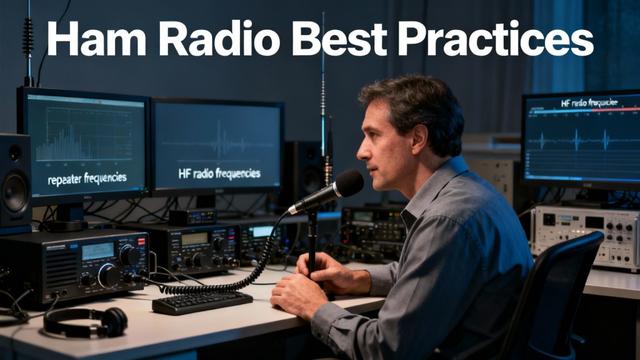
Amateur radio, or ham radio, is a unique hobby that combines technical skill, communication expertise, and community interaction. Success on the airwaves requires more than just a license—it demands understanding both regulations and the unwritten conventions that keep the hobby enjoyable and efficient for everyone. Operating responsibly ensures clear transmissions, prevents interference, and helps operators avoid being labeled a “lid,” a term for someone who makes avoidable mistakes on the air. This article explores the core practices that define effective ham radio operation.

Understanding Ham Radio Regulations

Every amateur radio operator is bound by regulations set forth by licensing authorities, and compliance is the first step in responsible operation. In the United States, for example, the Federal Communications Commission (FCC) enforces rules that prohibit broadcasting music, transmitting encrypted messages, or conducting commercial activities over amateur frequencies. Operators must also perform station identification at the start of a transmission, every ten minutes during prolonged contacts, and at the end of a conversation. These regulations are not merely formalities; they protect the integrity of the amateur radio spectrum and ensure that operators can communicate openly without interference from unauthorized sources.

Knowing the law is only the foundation. Equally important is understanding how to transmit responsibly. Operators must choose the correct calling frequency for their band, whether on VHF, UHF, or HF. For instance, in VHF operation, 146.52 MHz serves as the standard calling frequency in the Americas. HF operators must also be aware of band segments, using the upper portion for voice modes and the lower portion for data. Ignoring these guidelines and transmitting randomly can disrupt ongoing contacts and frustrate other operators. Listening before transmitting is critical; it prevents unintentional interference and helps operators gauge whether a frequency is active or clear.

Proper Repeater Etiquette and Communication Practices

Once you understand the rules, the next step is learning effective communication techniques, especially when using repeaters. Repeaters are shared resources, and using them incorrectly can annoy fellow operators or even create safety hazards during emergency communications. One of the most common mistakes for new operators is “chunking” the repeater—pressing the push-to-talk button without speaking. This generates unnecessary noise on the frequency and signals inexperience. If such an accident occurs, it should be acknowledged promptly to avoid being labeled a lid.

Operators should also avoid using the term “broadcast” to describe amateur transmissions. Amateur radio is inherently a two-way communication system. It is designed for interaction and connection, not one-way transmission of information. Similarly, operators should become familiar with repeater personalities. Some repeaters are formal and structured, with strict conversation protocols, while others are informal or casual. Observing the repeater’s tone and conventions before transmitting allows new operators to integrate seamlessly, reducing the risk of conflicts or misunderstandings. Listening, patience, and proper identification are key components of this stage of operation.

Calling Frequencies, Codes, and Phonetics

Another critical aspect of ham radio best practices is understanding how to make effective contact on a frequency. Calling frequencies are designated portions of a band where operators can announce their presence, such as calling “CQ” to signal availability for a conversation. On VHF repeaters, it is unnecessary to use traditional CQ calls. Instead, a simple identification or request for contact is sufficient. On HF, the situation is different. Operators may use CQ calls to reach others across longer distances, but even then, care must be taken to ensure the frequency is clear. Listening for a few moments, announcing presence, and waiting for responses prevents interference and shows respect for fellow operators.

Operators should also understand the proper use of codes. Common codes, such as QSL for confirmation of receipt or QTH for location, are derived from Morse code practices and are widely accepted. Other codes like QRZ (who is calling) and QSY (change frequency) serve specific functions. In addition, the phonetic alphabet is essential for clear identification, particularly on HF or during contests, where signal clarity is critical. On VHF repeaters, however, phonetics may be unnecessary unless the call sign is difficult to discern. Using codes and phonetics appropriately ensures that communications are efficient and understandable, maintaining professionalism on the air.

Advanced Best Practices for HF and Data Modes

HF operations introduce additional technical considerations, such as antenna tuning and signal management. Operators should never tune an antenna over an active conversation, as the tuning noise can disrupt ongoing contacts. Instead, move a few kilohertz away from an active frequency before initiating tuning procedures. Similarly, when engaging in data modes using software like FL Digi, operators should be aware of RSID tones and mode identification to prevent confusion for others receiving the signal.

Calling CQ on HF requires attentiveness and timing. Operators should first confirm that a frequency is free, announce their presence, and then issue a CQ call in a measured manner. Ragchewing, or extended conversational contact, requires awareness of the other operator’s signal strength and readability. Signal reports, often expressed using the RST system—Readability, Signal Strength, and Tone—allow operators to determine whether a conversation is feasible. Providing or interpreting an accurate RST ensures that communication remains clear and efficient, and prevents frustration caused by attempting contacts under suboptimal conditions.

Effective Interaction During Nets and Group Communications

Net operations, where one operator serves as a controller for a structured group conversation, demand disciplined communication. Operators should not transmit until called upon and must follow the net control protocol. Interrupting ongoing conversations is acceptable only under certain circumstances, such as emergencies or brief interjections. Understanding how to enter and participate in group discussions without dominating the channel is an advanced skill that reinforces professionalism.

Equally important is leaving adequate pauses between transmissions. Allowing time for other operators to respond or interject ensures that conversations remain orderly and inclusive. Misusing the seven-three shorthand, or incorrectly referencing handheld transceivers, may mark an operator as inexperienced. Observing these subtle conventions distinguishes proficient operators from novices and reinforces the culture of respect that underpins amateur radio.

Conclusion: Mastering Ham Radio Conduct

Operating a ham radio effectively requires a balance of technical knowledge, regulatory compliance, and interpersonal skill. By understanding regulations, respecting calling frequencies and repeaters, and mastering proper communication techniques, operators can avoid common mistakes and participate fully in the amateur radio community. Listening attentively, using codes and phonetics appropriately, and maintaining awareness of other operators on the frequency ensures clarity, efficiency, and respect.

Ham radio is as much about community and shared experience as it is about technology. Following best practices allows operators to make meaningful contacts, expand their skills, and enjoy the hobby without causing interference or frustration. Mastery of these principles ensures that every transmission contributes positively to the amateur radio environment, fostering both technical competence and professional conduct.

Call to Action

If this story caught your attention, don’t just scroll past. Join the community—men sharing skills, stories, and experiences. Subscribe for more posts like this, drop a comment about your projects or lessons learned, or reach out and tell me what you’re building or experimenting with. Let’s grow together.

D. Bryan King

Sources

Disclaimer:

The views and opinions expressed in this post are solely those of the author. The information provided is based on personal research, experience, and understanding of the subject matter at the time of writing. Readers should consult relevant experts or authorities for specific guidance related to their unique situations.

#amateurOperator #amateurRadio #amateurRadioAdvice #amateurRadioCommunity #amateurRadioEquipment #amateurRadioHobby #amateurRadioInstruction #amateurRadioKnowledge #amateurRadioNetwork #amateurRadioRules #amateurRadioSafety #amateurRadioSignals #amateurRadioStation #amateurRadioTraining #antennaTuning #callingFrequencies #communicationProtocol #contestOperation #cqCalls #cw #dataModes #digitalModes #effectiveRadioCommunication #emergencyCommunication #fccRegulations #flDigi #hamRadio #hamRadioBeginner #hamRadioBestPractices #hamRadioCommunity #hamRadioEtiquette #hamRadioGuide #hamRadioLicense #hamRadioOperations #hamRadioTips #handheldTransceiver #hfContacts #hfRadio #ht #morseCode #netControl #phoneticAlphabet #properCommunication #psk31 #pushToTalk #qCodes #qrz #qsl #qsy #qth #radioBestPractices #radioCallSigns #radioCheck #radioClarity #radioCodes #radioCommunicationSkills #radioContact #radioConversation #radioConversationEtiquette #radioEngagement #radioEtiquette #radioFrequency #radioGuidelines #radioHobbyist #radioInterference #radioLearning #radioLicense #radioListener #radioListening #radioMonitoring #radioOperation #radioOperationGuide #radioOperationTips #radioOperatorGuide #radioOperatorTips #radioSetup #radioSignal #radioTerminology #radioTransmission #ragchew #readability #repeaterCommunication #repeaterEtiquette #repeaters #rsidTone #rstReport #rtty #sevenThree #signalReport #signalStrength #toneReport #uhfCommunication #uhfContacts #vhfCommunication #vhfContacts
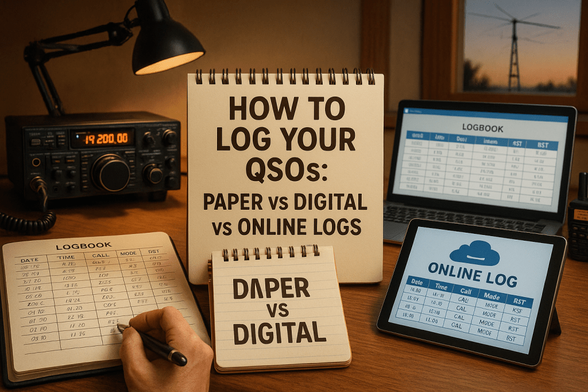
How to Log Your QSOs: Paper vs. Digital vs. Online Logs

1,753 words, 9 minutes read time.

Logging your QSOs, or contacts, is one of the most important practices in amateur radio. Beyond regulatory requirements, a QSO log is a personal record, a chronicle of your radio adventures, and a foundation for awards, confirmations, and future planning. Whether you are preparing for your first amateur license or refining decades of operating experience, understanding how to log your QSOs effectively is crucial. Choosing between paper, digital, and online logging methods influences not only how you track contacts but also how you engage with the broader amateur radio community.

Logging serves multiple functions beyond mere recordkeeping. At its core, a log captures the story of your activity on the airwaves. It tracks the stations you have contacted, the bands and modes you have explored, the contests you have entered, and even the propagation conditions you experienced. For many operators, a well-maintained log becomes a living history of their engagement with amateur radio. According to the American Radio Relay League (ARRL), a log provides a reference that supports award verification, contest scoring, and personal reflection, making it a cornerstone of serious operation (arrl.org).

Historically, logging has evolved alongside the hobby itself. In the early 20th century, operators relied exclusively on notebooks, meticulously recording each contact in pencil or ink. This practice was not only practical but also a matter of pride. Logs were often bound volumes, carefully preserved as personal artifacts. Some operators even decorated their logbooks with hand-drawn QSL cards and notes, making the log itself a work of art. These early logs were tangible connections to the worldwide community of amateur radio, long before computers or the internet made electronic logging possible.

Paper logs remain appealing today, despite the technological advances in digital and online logging. They are simple, reliable, and completely independent of software or electricity. Writing each QSO by hand encourages deliberate attention to detail. There is a satisfaction in physically recording a contact, in knowing that your logbook contains an unbroken record of your work. Paper logs are also incredibly robust; a notebook can survive field operations, power outages, and hardware failures, providing confidence that your contacts are permanently documented.

Nevertheless, paper logs have limitations. Searching for specific contacts or summarizing achievements is slow and labor-intensive. Storing years of logs requires space and careful organization. Manual entry is prone to human error, especially during long contests or in field conditions where fatigue and environmental factors come into play. To mitigate these issues, experienced operators often adopt standardized logging formats. These formats ensure that essential information—date, time, frequency, mode, call signs, signal reports, and operator notes—is recorded consistently. Some operators scan or transcribe paper logs into digital formats, preserving decades of QSO history while maintaining the original log as a tactile record.

The shift to digital logging brought a profound transformation to amateur radio operations. Digital logs allow operators to enter, store, and retrieve QSOs with unparalleled speed and accuracy. Modern logging software can track multiple stations simultaneously, handle automated data entry from digital modes, and even calculate award progress in real time. These capabilities have reshaped contesting and DXing, enabling operators to manage thousands of contacts efficiently and accurately.

Digital logging software ranges from simple programs for beginners to comprehensive suites for contesters and advanced operators. Ham Radio Deluxe is widely regarded for its integration with digital modes, award tracking, and robust logging capabilities (hamradiodeluxe.com). Logger32 provides a free, Windows-based solution that combines logging, contest management, and digital mode operation. N1MM Logger+ is renowned among contesters for real-time scoring, automated QSO entry, and its ability to interface with radios and rotators. The flexibility and power of digital logging allow operators to analyze trends, track propagation patterns, and plan operating sessions with unprecedented insight.

Digital logging is not without its challenges. It requires hardware, software knowledge, and disciplined maintenance. A crashed hard drive or corrupted database can erase months or years of records if backups are neglected. Operators must commit to regular data backups, software updates, and careful configuration to ensure accuracy and reliability. Despite these considerations, the efficiency and analytical capability of digital logs have made them indispensable for serious operators who seek precision and performance.

Online logging platforms have taken digital logging a step further, offering cloud-based storage and accessibility from anywhere with an internet connection. These platforms not only provide secure storage but also integrate directly with awards and confirmation systems. Logbook of the World (LoTW), administered by the ARRL, allows operators to submit electronic logs for verification and award confirmation (arrl.org). LoTW has transformed the way operators confirm QSOs, replacing the traditional exchange of paper QSL cards with secure, electronic confirmations.

Online logs offer unique advantages. Operators can access their records from multiple devices, ensuring that their logs are up to date regardless of where they operate. The cloud-based system provides redundancy and reduces the risk of data loss due to local hardware failures. Integration with award systems, such as DXCC, WAS, and VUCC, streamlines the process of tracking and confirming achievements. Additionally, platforms like QRZ.com Logbook and eQSL expand the digital ecosystem, allowing operators to maintain online records while engaging with a community of like-minded enthusiasts. These systems often include built-in search, reporting, and visualization tools, enabling operators to analyze their activity and track trends over time.

The limitations of online logging must be considered. A reliable internet connection is necessary, and some operators may have privacy concerns regarding cloud storage. Subscription fees may apply for advanced features or extended services. Effective use of online logging platforms requires an understanding of security practices, routine synchronization of logs, and attention to the platform’s policies to ensure data integrity and confidentiality. For many operators, online logging is not a replacement but a complement to traditional or digital logs, offering portability, backup security, and integration with global award systems.

Choosing the right logging method is highly personal. Paper logs provide reliability, a tangible record, and a connection to the historical roots of amateur radio. Digital logs offer efficiency, analytical power, and seamless integration with modern operating practices. Online logs provide convenience, redundancy, and direct connectivity to awards and confirmations. Many operators use a hybrid approach, maintaining a primary digital or online log while supplementing with paper logs during field operations or for archival purposes. Regardless of the method, consistency and attention to detail are paramount. Accurate logs ensure credibility, support awards, and contribute to the enjoyment and satisfaction of the hobby.

The evolution of logging also reflects the broader development of amateur radio. In the early days, operators would travel significant distances to establish contacts, often relying on Morse code and manual logging. The discipline of recording each contact accurately was both a technical requirement and a mark of professionalism. As technology advanced, logging software and digital modes enabled operators to make more contacts in less time, analyze propagation patterns, and participate in global contests with efficiency that would have seemed unimaginable to early hams. Today, online logs further connect operators across continents, allowing instant confirmation and recognition for achievements that once took months to verify through paper QSL exchanges.

Practical tips for logging QSOs emphasize accuracy, consistency, and redundancy. Always record the date, time, frequency or band, mode, call sign, signal report, and any operator notes. If using digital or online logging, take advantage of automated features but periodically review entries to catch errors. Regularly back up your logs to local drives, cloud storage, or both. When operating portable or in the field, a small paper notebook can serve as a backup to ensure that no QSO is lost. Over time, a well-maintained log becomes a treasure trove of personal history, a reflection of your growth as an operator, and a valuable tool for strategic planning in contests, DXing, and awards pursuits.

Logging also offers educational benefits. By analyzing trends in your log, you can learn about propagation patterns, understand which frequencies work best during different times of the day, and develop strategies for contacting distant stations. Studying your log can reveal which modes are most effective under varying conditions, helping you make informed decisions for future operating sessions. A QSO log is not just a record; it is a learning tool that enhances your skills, judgment, and efficiency as an operator.

For those aspiring to a lifelong engagement in amateur radio, logging is a skill worth mastering. It combines organization, attention to detail, and analytical thinking. By choosing the method that best fits your style and maintaining consistency in your entries, you set yourself up for a rewarding experience. Whether you are a casual operator recording weekend contacts or a dedicated contester aiming for global recognition, your log is an extension of your professionalism and dedication to the hobby.

Logging QSOs is a practice that combines tradition, technology, and personal expression. Paper logs connect us to the history of the hobby, digital logs empower us with modern tools and analytics, and online logs extend our reach across the globe. By understanding the strengths and limitations of each method, you can create a logging system that meets your needs, preserves your achievements, and enhances your enjoyment of amateur radio. A well-maintained log is more than a record; it is a reflection of your dedication, curiosity, and engagement with a community that spans continents and generations.

To continue enhancing your amateur radio experience, subscribe to our newsletter for regular tips, insights, and resources at https://wordpress.com/reader/site/subscription/61236952. Engage with the community by leaving a comment, or reach out directly through our contact form at https://bdking71.wordpress.com/contact/. Logging is a skill that grows stronger with practice, and by exploring different methods and sharing experiences, you contribute to a vibrant, connected, and thriving amateur radio community.

D. Bryan King

Sources

Disclaimer:

The views and opinions expressed in this post are solely those of the author. The information provided is based on personal research, experience, and understanding of the subject matter at the time of writing. Readers should consult relevant experts or authorities for specific guidance related to their unique situations.

Related Posts

Rate this:

#accurateLogs #amateurRadioContests #amateurRadioEducation #amateurRadioEfficiency #amateurRadioEngagement #amateurRadioExperience #amateurRadioLearning #amateurRadioLogs #amateurRadioProgress #amateurRadioRecords #amateurRadioTips #ARRLLogging #awardTracking #callSigns #cloudLogging #cloudBasedLogbook #contestLogging #contestManagement #digitalLog #digitalLoggingAdvantages #digitalModeLogging #DXCCTracking #DXing #effectiveQSOTracking #electronicQSL #fieldOperationLogging #fieldQSORecording #frequencyLogging #FT8Logging #hamRadioAwards #hamRadioBeginners #hamRadioCommunity #hamRadioExcellence #hamRadioGuide #hamRadioLogging #hamRadioNotebook #hamRadioTechnology #hamRadioTracking #hamRadioTutorial #HFLogging #historicalLoggingMethods #HRDLogbook #JT65Logging #logbookIntegration #LogbookOfTheWorld #logbookOrganization #logbookPreservation #logbookTemplate #Logger32 #loggingAccuracy #loggingAnalytics #LoggingBestPractices #loggingConsistency #loggingConvenience #loggingDiscipline #loggingEvolution #loggingExamples #loggingExpertise #loggingForBeginners #loggingHistory #loggingInsights #loggingReliability #loggingSoftware #loggingStrategies #loggingWorkflow #LoTW #modeLogging #N1MMLogger_ #onlineLog #onlineLoggingAdvantages #operatorEfficiency #operatorNotes #operatorReference #paperLog #paperVsDigitalLogging #portableLogging #QSLConfirmation #QSODocumentation #QSOLog #QSORecord #QSOTips #QSOTracking #QSOVerification #radioActivityRecord #radioHobbyMastery #radioHobbyistGuide #radioLogbook #radioLogsComparison #radioOperationTips #radioOperatorProductivity #radioOperatorTips #radioPropagationLogging #radioSkillsDevelopment #signalReports #UHFLogging #VHFLogging #VUCCTracking #WASTracking