 Kit Peters
UK holidaymakers warned to expect four‑hour queues as new EU border checks begin
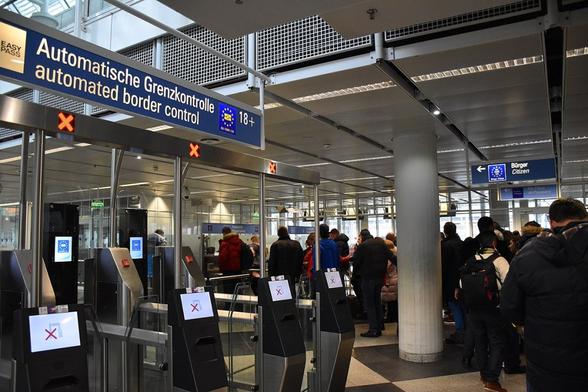
The system, which starts on Sunday 12 October, will require non‑EU visitors — including UK passport holders — to have their fingerprints and photograph taken when entering the Schengen area. It replaces the need for passport stamps and will apply across 29 European countries.
Travel industry warns of delays
Julia Lo Bue‑Said, chief executive of the Advantage Travel Partnership, said major airports in southern Europe could see “overwhelming volumes of travellers” during the initial roll‑out. She advised passengers to allow up to four hours to clear border controls.
Rory Boland, editor of Which? Travel, also warned that longer waits are likely on arrival, urging holidaymakers to book later transfers or onward travel to avoid missing connections.
The Home Office said the new checks should take “one to two minutes” per passenger but admitted that busy periods could still lead to longer waits.
Checks at UK departure points
For some routes, including London St Pancras, the Port of Dover and Eurotunnel Folkestone, the biometric checks will be carried out in the UK before boarding. New kiosks have been installed, though only some passengers will be required to use them at first.
What about travel to Ireland?
The new system does not apply to trips between the UK and Ireland, which remain covered by the Common Travel Area. That means passengers flying or sailing directly to Irish destinations will not face the new biometric checks. However, anyone travelling to Ireland via another EU country will go through EES checks at their first point of entry into the Schengen zone.
Phased roll‑out until April
The EU is introducing the system gradually, with countries only required to process a proportion of arrivals during the first six months. Full implementation is due by 10 April 2026.
Once registered, a traveller’s details will remain valid for three years, although verification will still be required on each trip.
Mark Tanzer, chief executive of travel trade body Abta, said: “In the longer term, EES should make processes quicker and simpler. But in the short term, there may be delays, particularly at peak travel times.”
Related stories from Swansea Bay News
Ex‑brewery boss takes over at Cardiff Airport amid funding rows and route cuts
Leadership change comes as the airport faces scrutiny over finances and flight options.
New ‘secret fares’ offer up to 50% off London–South Wales train travel
Discount scheme launched to make long‑distance rail journeys more affordable.
Bristol Airport legal teams demand detail of Welsh Government’s multi‑million pound Cardiff Airport subsidy
Cross‑border row intensifies over public funding for Wales’ national airport.
TUI announces new routes and increased frequency from Cardiff Airport
Holiday giant expands its programme with more flights from Wales.
#borderChecks #EU #EuropeanHolidays #EuropeanUnion #foreignHolidays #holidays #passport #passportChecks #tourism #travel
 Adrian J. Chung