 Christopher (Podcast host)
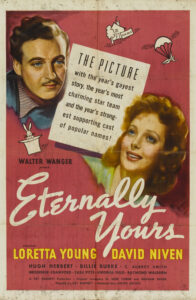
Eternally Yours (1939) - The movie that pulled a great magic trick on Lydia and Christopher! They both fell for the illusion of it being a good movie, but then they pulled back the curtain... #MovieReview #ClassicHollywood #Podcast #DavidNiven #LorettaYoung
 KillBait News
Loretta Young: Vintage Postcards Showcasing Her Career in the 1930s and 1940s
📰 Original title: 30 Vintage Postcards of Loretta Young in the 1930s and 1940s
🤖 IA: It's not clickbait ✅
👥 Users: It's not clickbait ✅
View full AI summary: https://en.killbait.com/loretta-young-vintage-postcards-showcasing-her-career-in-the-1930s-and-1940s.html?utm_source=mastodon_world&utm_medium=social&utm_campaign=killbait.mastodon_world

Loretta Young: Vintage Postcards Showcasing Her Career in the 1930s and 1940s
Loretta Young, born Gretchen Michaela Young on January 6, 1913, was a prominent American actress with a career spanning from childhood in 1916 until 1989. The article highlights a collection of 30 vintage postcards featuring the star during the 1930s and 1940s, showcasing her evolution as a Hollywood icon. In the early 1930s, Young worked extensively for Warner Bros. and 20th Century Fox, often appearing in up to six to nine films per year. This period captured a more raw and complex side of her acting before the Hays Code enforced stricter censorship in mid-1934. She took on challenging roles such as a gangster's moll in Midnight Mary (1933) and portrayed ethically ambiguous characters in films like Employees’ Entrance (1933). Young starred alongside leading men including Tyrone Power in five films and Spencer Tracy. Her personal life also made headlines, notably when she became pregnant while filming The Call of the Wild with Clark Gable. As a devout Catholic, she concealed the pregnancy and later presented the child, Judy Lewis, as adopted to protect her career. By the 1940s, Young transitioned to a freelance actress, a bold move that gave her more control over her roles. Her image shifted toward elegant and wholesome characters. Notable performances include her Academy Award-winning role as a Swedish-American maid running for Congress in The Farmer’s Daughter (1947) and her part in the holiday classic The Bishop’s Wife (1947) alongside Cary Grant. She also appeared in Orson Welles’ The Stranger (1946) and earned another Oscar nomination for Come to the Stable (1949), where she played a nun. Known for her poise, wardrobe, and grand entrances, Young built the foundation of her refined persona during this era, which later translated successfully to her television career in the 1950s. The vintage postcards offer fans a nostalgic glimpse into her glamorous Hollywood years and enduring legacy as one of classic cinema's most respected figures.
 KillBait
Loretta Young: Vintage Postcards Showcasing Her Career in the 1930s and 1940s
📰 Original title: 30 Vintage Postcards of Loretta Young in the 1930s and 1940s
🤖 IA: It's not clickbait ✅
👥 Users: It's not clickbait ✅
View full AI summary: https://en.killbait.com/loretta-young-vintage-postcards-showcasing-her-career-in-the-1930s-and-1940s.html?utm_source=mastodon_social&utm_medium=social&utm_campaign=killbait.mastodon_social
Loretta Young: Vintage Postcards Showcasing Her Career in the 1930s and 1940s
Loretta Young, born Gretchen Michaela Young on January 6, 1913, was a prominent American actress with a career spanning from childhood in 1916 until 1989. The article highlights a collection of 30 vintage postcards featuring the star during the 1930s and 1940s, showcasing her evolution as a Hollywood icon. In the early 1930s, Young worked extensively for Warner Bros. and 20th Century Fox, often appearing in up to six to nine films per year. This period captured a more raw and complex side of her acting before the Hays Code enforced stricter censorship in mid-1934. She took on challenging roles such as a gangster's moll in Midnight Mary (1933) and portrayed ethically ambiguous characters in films like Employees’ Entrance (1933). Young starred alongside leading men including Tyrone Power in five films and Spencer Tracy. Her personal life also made headlines, notably when she became pregnant while filming The Call of the Wild with Clark Gable. As a devout Catholic, she concealed the pregnancy and later presented the child, Judy Lewis, as adopted to protect her career. By the 1940s, Young transitioned to a freelance actress, a bold move that gave her more control over her roles. Her image shifted toward elegant and wholesome characters. Notable performances include her Academy Award-winning role as a Swedish-American maid running for Congress in The Farmer’s Daughter (1947) and her part in the holiday classic The Bishop’s Wife (1947) alongside Cary Grant. She also appeared in Orson Welles’ The Stranger (1946) and earned another Oscar nomination for Come to the Stable (1949), where she played a nun. Known for her poise, wardrobe, and grand entrances, Young built the foundation of her refined persona during this era, which later translated successfully to her television career in the 1950s. The vintage postcards offer fans a nostalgic glimpse into her glamorous Hollywood years and enduring legacy as one of classic cinema's most respected figures.
 Retro Reelworks
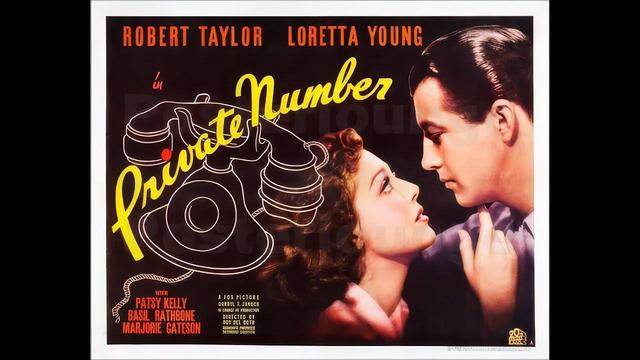
Private Number (1936) [4K] #classichollywood #LorettaYoung #roberttaylor #basilrathbone #1930scinema
https://retroreelworks.com/private-number-1936-4k-classichollywood-lorettayoung-roberttaylor-basilrathbone-1930scinema/?fsp_sid=3821
https://retroreelworks.com/private-number-1936-4k-classichollywood-lorettayoung-roberttaylor-basilrathbone-1930scinema/?fsp_sid=3821
The Stranger (1946) [4K] #OrsonWelles #EdwardGRobinson #LorettaYoung #FilmNoir #NoirClassic
https://retroreelworks.com/the-stranger-1946-4k-orsonwelles-edwardgrobinson-lorettayoung-filmnoir-noirclassic/?fsp_sid=3531
https://retroreelworks.com/the-stranger-1946-4k-orsonwelles-edwardgrobinson-lorettayoung-filmnoir-noirclassic/?fsp_sid=3531
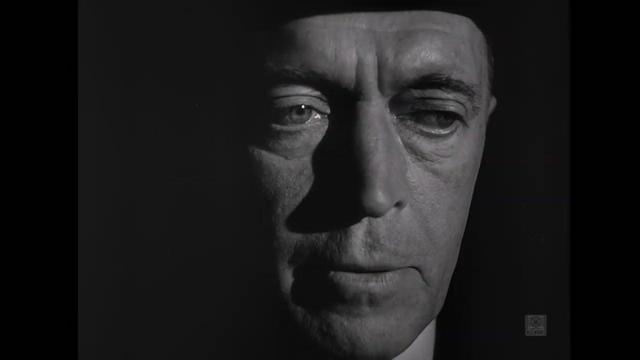
 Valtagliaferri
Il #film di oggi è #lostraniero di #orsonwelles #unofilm #cinema #unocinema #edwardgrobinson #lorettayoung #binacoenero #noir #filmastodon #recensioni
https://www.valeriotagliaferri.it/lo-straniero-di-orson-welles/
iscriviti gratis al #podcast #lafogliadacanto e ascolta tutta la #recensione
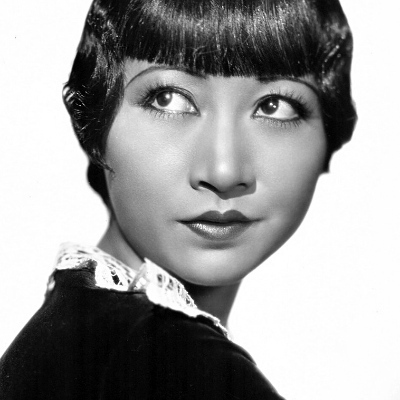 Vintage Cuties and Beauties
 hanktank61
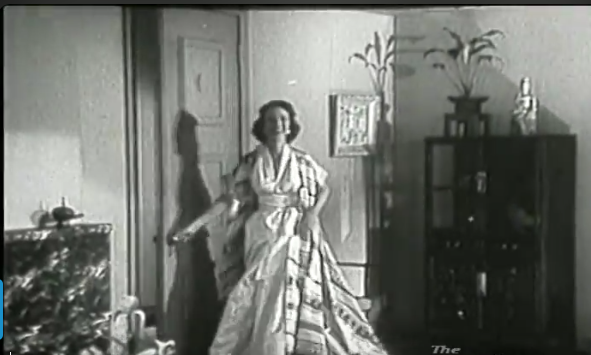
" The Loretta Young Show "
American , early 1950' s
Discovering The Loretta Young Show in 2018.
In The Netherlands just one TV channel in the early 1960' s.
Mainly American, plus some Italian, German, Dutch and British.
And Lucille Ball. Popular !
We never had The Loretta Young Show...
Early 1950' s : What a Powerhouse she was, and how good her shows !
Still as fresh as ever !
Exact the uplifting shows needed now 🙂
Example :
https://youtu.be/OsaZDY_F0h0


 Will McKinley
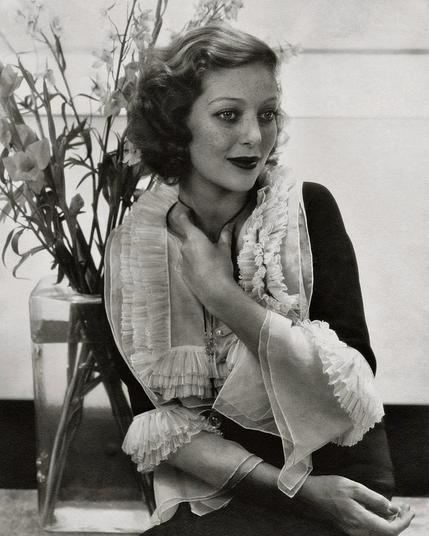
"Loretta had a light that shone from within.” — Marlo Thomas
Loretta Young (1913-2000) was born on this date.
Photo: Edward Steichen
#FilmMastodon #LorettaYoung