 Dr David Mills
#KitchenChemistry
4kg of chopped onions cooking down to make brown onion paste.
4kg of chopped onions cooking down to make brown onion paste.


Random #Thanksgiving #Food notes
if you pressure cook an unopened can of pumpkin puree (and then let it cool slow) before opening - you will get a richer deeper flavored caramelized pumpkin puree for pie or other use
Tonight I took a recipe my mom had for date oat bars and made a whole bunch of substitutions and tweaks to make a cranberry oat crumble that is dairy-free and gluten-free. It's delicious 😋
I have a lot of fun doing this sort of recipe tinkering. I keep a kitchen lab notebook for the recipes I create or modify. My spouse suggested that I show it to my chemistry students. I use a lot of the same habits
I'm incredibly blessed with so many great memories 👆🏽 of my late friend Bob Wolke (and we did meet late in our lives, much earlier in mine tho).
I knew of him before I moved to Pittsburgh - didn't realize he was here until just before I was introduced to him by a colleague.
You too can gain much, as I did, from his wisdom and expertise through his books on #Food + #Science
It's what led me (before we met) to use #KitchenChemistry to teach #Chemistry through food


Last one in what ended up as a short thread on umami response
Proteins breakdown and many of the amino acids, not just glutamate, produce an umami response.
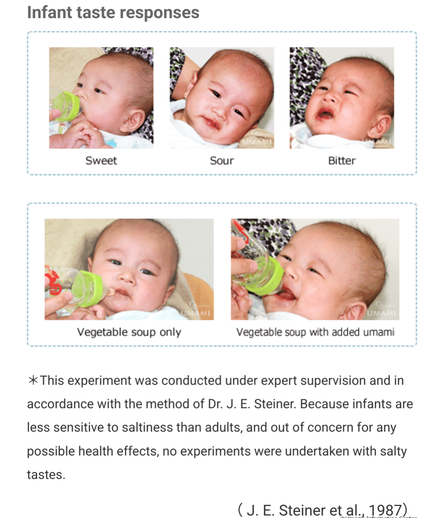
There's glutamate in mother's milk, and enhanced umami (glutamate) in say vegetable soup produces a more favorable response from babies
#Taste #KitchenChemistry
https://www.umamiinfo.com/what/whatisumami/#cont02_area


In case you know of umami but don't know about differences in response to glutamate (there's a lot in kombu) and inosinate (there's a lot in katsuoboshi) and guanylate (there's a lot in shiitake, especially dried) - know that there is a synergy between these.
Hence my mixing of the 3 for the dashi 👆🏽<technically 2 would have been ok>
Here's a good review article
https://pubmed.ncbi.nlm.nih.gov/26247011/


Three umami substances (glutamate, 5'-inosinate, and 5'-guanylate) were found by Japanese scientists, but umami has not been recognized in Europe and America for a long time. In the late 1900s, umami was internationally recognized as the fifth basic taste based on psychophysical, electrophysiologica …
 Das
Das B Haas
 Church of Jeff