 Plant Bear 🐻 Dublin
It’s never grown well for me in my house despite regular attempts but here’s my begonia which lives in my parents house. #houseplants #houseplanthour #begonias #canebegonia
 TeaFrancis
I had originally intended to plant this along with the others in a terrarium, but the empty cloche on top of my bookshelf has been calling to me for a while, so I made this temporary installation for it. The Macodes will outgrow this eventually, so it’s not permanent, but this will do for now! 🥰 #jewelOrchid #orchids #botany #terrarium #mossyMoment #mosstodon #lichensubscribe #nature #plants #houseplants #houseplanthour

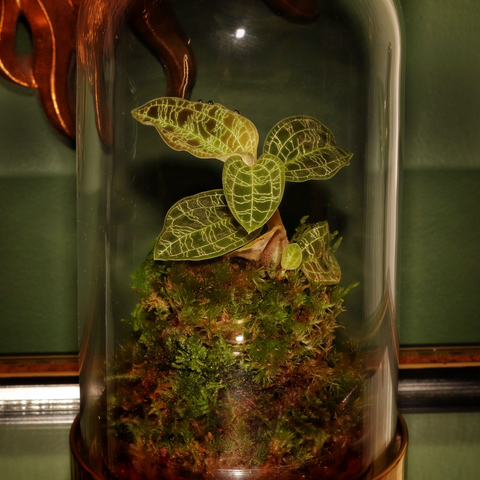
Some jewel orchids arrived today. Currently quarantined in a tub, but they’re so pretty! #houseplants #orchids #jewelOrchid #houseplanthour #nature #plants #botany #mosstodon #lichensubscribe #mossyMoment


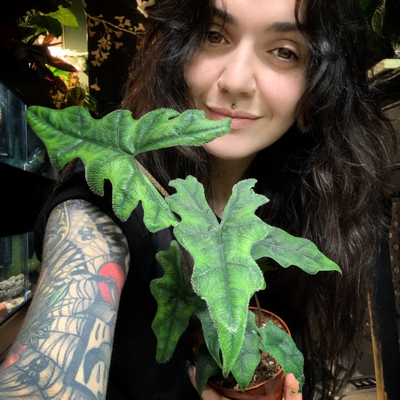
Ceropegia sandersonii … or alien plants from a galaxy far far away if you wish #ceropegia #houseplants #houseplanthour @plants
 Ash
Ashtobacco evolved nicotine as a defence against insects. you can also use it as a defence against insects!
first, a few caveats: do not use this on any member of the nightshade family (tomatoes, potatoes, etc.); they are susceptible to tobacco mosaic virus. do not use on any plants that flower. do not use this on anything you intend to eat. do not use on any plants that are going outside in the next six weeks; this is basically just for houseplants. do not use if you have pets. do not dispose of any leftovers by pouring down the drain, etc. (nicotine is an insecticide, and bees are insects, so this will kill them too.) wear thick rubber gloves when you do this.
fatal nicotine poisoning from this is very, very unlikely, but not impossible. it’s much more likely you’d just have a very uncomfortable afternoon, but trust me, nicotine poisoning is uncomfortable enough that you want to avoid it!!! yes, nicotine is pretty toxic, but so are all insecticides more or less, and this one you can do without taking your plants outside to spray, so i think just on that basis alone, it’s probably better for the environment than spraying pyrethrins everywhere. i am not a biochemist or a pest control expert; i claim no special knowledge; this is just what works for me.
first, how it works: acetylcholine is a chemical that your brain uses to tell your muscles when to fire. when an acetylcholine molecule hits a receptor, the muscle connected to that receptor contracts. (acetylcholine does other things, too, but this is what we care about right now.) too much acetylcholine and the receptors fire uncontrollably; too little acetylcholine and the receptors don’t fire at all. since you need muscles to breathe, both of these situations are bad. insects also have acetylcholine receptors, which is what just about every insecticide targets; although in their case, the receptors are only in their central nervous systems. nicotine is a receptor agonist for nicotinic acetylcholine receptors. (a receptor agonist is a substance that causes a receptor to become activated.) nicotine works by overstimulating receptors to the point where they can no longer respond to acetylcholine and shut down, which results in paralysis and death. this is, obviously, a vast oversimplification. but it’s true enough for our purposes.
now, how to use it as a pesticide: i’ve talked to a lot of different people about how they do this. perhaps unsurprisingly, this was a very common method of pest control amongst grandparents— a lot of people mentioned their grandma boiling cigarette butts, or their grandpa putting two cigarettes in a watering can, etc.
with some trial and error, i’ve cobbled together a method that works pretty well. first, get a pouch of loose (rolling) tobacco. you can probably do this with cigarette butts too, but i don’t know anybody who smokes cigarettes. next, get a gallon jug. do NOT use anything you’re going to put food in later. any container you use for this will become exclusively for this purpose. put a few big pinches of tobacco in the jug and fill it with water. leave it overnight. the next morning, strain the tobacco out and throw it away. i always wrap it up in a few plastic shopping bags and throw it in the trash. you should now have a gallon of tobacco tea! use this to water your plants directly (pour on the soil or bottom water, it makes no difference). your plants will take the nicotine up through their roots and into their stems and leaves, where any insect that feeds by biting/scraping/sucking the plant will get a mouthful and die.
this should provide residual control for 3-6 weeks, but you should combine this method with other methods of pest control: spray the leaves/stems with insecticidal soap and wipe down carefully; hang sticky traps; and put diatomaceous earth on the soil when it’s dry to the touch. give your plants a thorough wipe-down with soap once a week for three weeks; then keep a close eye for insect damage. good luck and happy bug killing 😤
Both taken today, 6 hrs apart. The female flower on my Begonia thelmae opened today so I decided to pollinate it. I’m still learning my way round Begonias as I go, so I wasn’t sure what to expect from this. Definitely not such a visible change so quickly! Usually the female flower closes up again after successful pollination, but not in all species, so I didn’t know if it would be apparent if my efforts worked or not. Here’s hoping! #HouseplantHour #houseplants #begonia #nature #botany #plants
Some new babies to add to the collection; there’s always ‘more room’ #houseplanthour #houseplant #gardening #plants @plants
Finally, I can share photos!
This Schlumbergera is thriving this year #houseplant #houseplanthour #christmascactus @plants
 Josef Davies-Coates
A #HouseplantHour thread on simple planty things to do indoors even if you don't have any houseplants right now.
1. Check your spice rack for seeds of coriander, fenugreek, mustard, and fennel. Soak for a few hours, then sow as microgreens. More info: https://www.janeperrone.com/on-the-ledge/2018/7/13/episode-57
🐦🔗: https://twitter.com/janeperrone/status/1240024015240126472
Episode 57: quick wins for indoor gardeners — Jane Perrone
Discover some really quick and easy projects for indoor growers that take two to five minutes to complete, and (mostly) use items that you may well have in your storecupboard, or can be bought from your local market. Plus a question about a neglected snake plant.