 JiKo
JiKo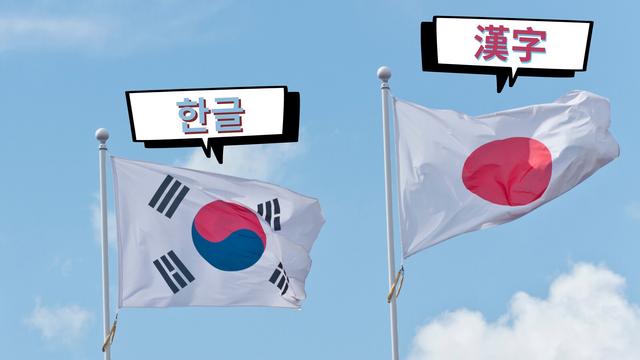
 MaskAndMantle
#Hanzi, the characters of the Chinese #language, and their counterparts #Hanja (of the #Korea s), the #Kanji (of #Japan) and #ChuHan (of #Vietnam) were all used between the four nations (before Vietnam adopted a #Latin -based #script) to conduct trade in ancient times.
#China
 David Grayless
#SongIn (#Korean: 송인; #Hanja: 宋仁; ? – 1126) was a civil official in the mid-#Goryeo era who became the intermediary founder of the #Jincheon #SongClan. His highest post was munha pyeongjangsa (문하 평장사). This was the highest government position in the period. Song In was responsible for administration, judicial affairs and economy in the district. As he performed meritorious deeds during the King, he was conferred with Chanhwagongsin and Jincheonbaek.

 Inhae
InhaeI’m trying out a flashcards app to learn the hanja, it’s called 한자 던전 (Hanja Dungeon).
My attempts to learn the hanja have all been short lived… the app looks great, flashcards are a bit too simple and options are limited, but if I can stick with it, it would be a big achievement for 2026 😌
#hanja #한자던전
 diaowinner
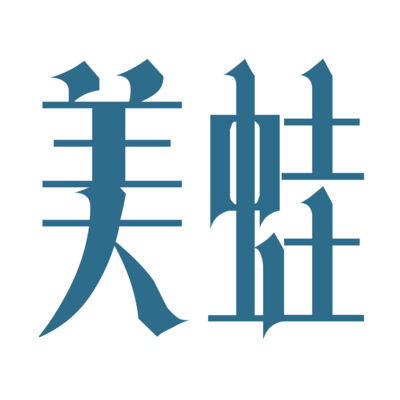
#hanzi #kanji #hanja
I made a library of #ids, easier to use.

 Michel Mariani
The latest version of the free BabelStone Han font (v.16.0.2), by Andrew West (魏安), has just been released. It includes more than 60,000 CJK unified ideographs, and supports a provisional set of 2,452 ideographic variation sequences (IVS) for 1,196 characters.
🔗 https://www.babelstone.co.uk/Fonts/Han.html
🔗 https://www.babelstone.co.uk/Fonts/BSH_IVS.html
 10원 Tips
 洪 民憙 (Hong Minhee)
 Homer S.
Lustig, wie die USA wieder die Zuständigkeit des Internationalen Strafgerichtshofs beurteilen, den sie aufgrund ihrer eigenen Verbrechensgeschichte ja gar nicht anerkennen.
#Kriegsverbrechen #VerbrechenGegenDieMenschlichkeit
#alSinwar #Netanjahu #Deif #Hanja #Gallant
 Author-ized L.J.
Here's a fun bit of #Chinese character origin: 創 (Mandarin chuàng/chuāng), commonly meaning creation and beginnings and used in such words as 创造 and 创作 signifying creative acts, has a blade (刀) radical. The origin of the letter is actually a bloodied blade, signifying a wounding, or cause of conflict. This led to the word coming to signify causes and beginnings, including creation. The letter has kept its alternate meaning of injury as well: Modern Mandarin actually reads the letter with different intonations depending on what it signifies, the third tone (chuàng) for "creation" and the first (chuāng) for injury.
So the next time you ask yourself why the act of creation hurts so much, remember that creativity and bleeding pain share the same letter in at least one writing system! #language #hanja
Source (Korean page, scroll down for illustration): https://hanja.dict.naver.com/#/entry/ccko/62d565c017cd40d495962354a91e1277