 Interledger Foundation
Thinking about applying for the Interledger Fellowship?
It supports researchers, builders, and advocates working to improve how money moves across networks and expand access to digital financial services.
Applications close June 15.
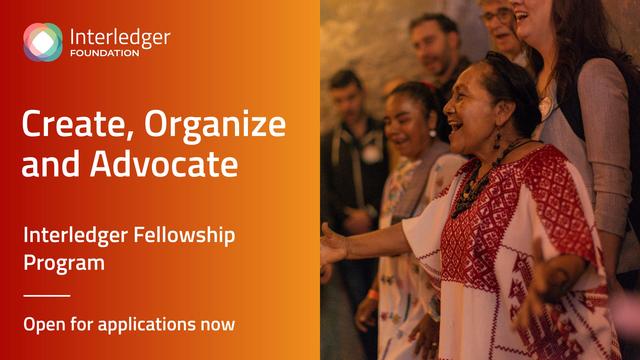
Thinking about applying for the Interledger Fellowship?
It supports researchers, builders, and advocates working to improve how money moves across networks and expand access to digital financial services.
Applications close June 15.
Open Payments is an open API standard designed to make that easier by enabling payments across wallets, banks, and mobile money platforms through a single integration.
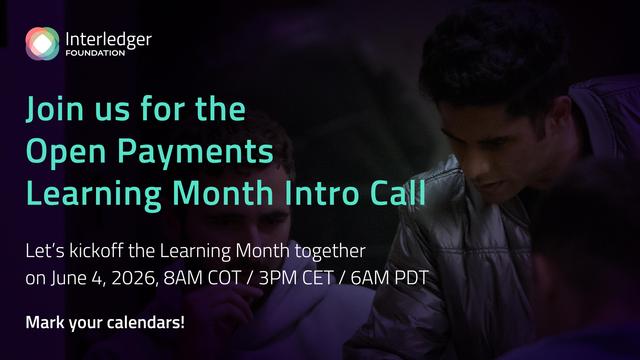
Join Open Payments Learning Month with Bibi Souza to explore the API, learn from the community, ask questions, and discover what's being built with Open Payments.
📅 June 4
⏰ 2pm WAT | 6am PST | 8am COT
🔗 https://meet.google.com/fcb-xamx-csr
#OpenPayments #Interledger #OpenSource #DigitalPayments #FinancialInclusion

Experiential learning helps students move beyond theory and into real-world financial innovation.
The Dollar Craft Program at Alabama A&M University brings business and engineering students together to design prototypes and explore how digital financial systems work in practice.
Supported by the Interledger Foundation’s NextGen Higher Education Grant.
 Headlines Africa
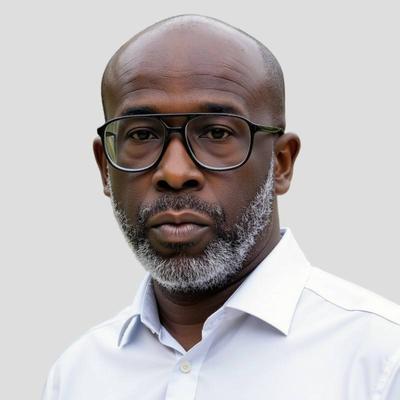 Niel Harper
 Mathrubhumi English