Nullingroots – Fourth Dimensional Dreamscape Review By Killjoy

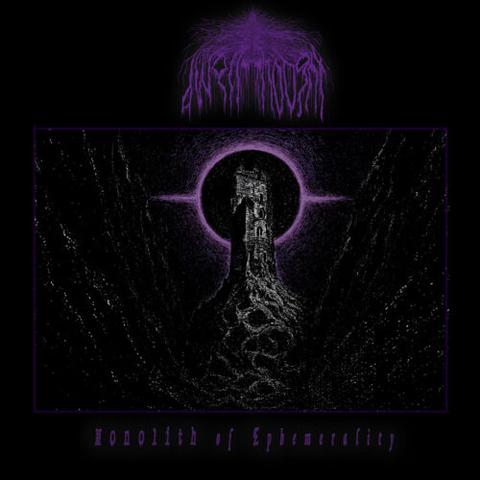
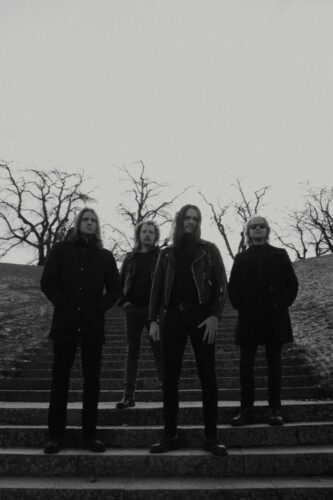
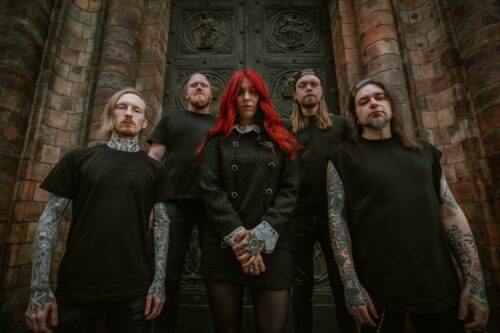
Here at AMG Industries, we strive to unearth as many underground gems as possible. Sometimes, though, we may get a bit carried away, as Master of Muppets once did in a TYMHM article wherein he crammed as many shoutouts to other groups as possible. As this solitary line1 has been the only coverage Nullingroots has received here so far, allow me to introduce them more formally. Based in Phoenix, Arizona, Nullingroots was originally formed by Cameron Boesch as an instrumental post-metal solo project. Various shades of black metal were added over time alongside additional band members. The current iteration of Nullingroots includes Alex Haddad, the founder of rising progressive death metal act Dessiderium.2 Now, Fourth Dimensional Dreamscape signals Nullingroots’ re-emergence after a six-year hiatus.

I don’t know the extent to which Alex Haddad participated in writing Fourth Dimensional Dreamscape, but it certainly sounds as if he had a hand in it. The breezy major key melodies that defined last year’s Dessiderium record can be easily discerned in the guitar, bass, and piano, albeit filtered through a post-black lens instead of progressive death. In this way, I prefer Fourth Dimensional Dreamscape to its 2019 predecessor, Malady’s Black Maw, which was much more uniformly blackened with fewer instances to breathe. The most compelling moments now come from the piano and various other keyboard effects, which add a crystalline luster much like the otherworldly stylings of Unreqvited.

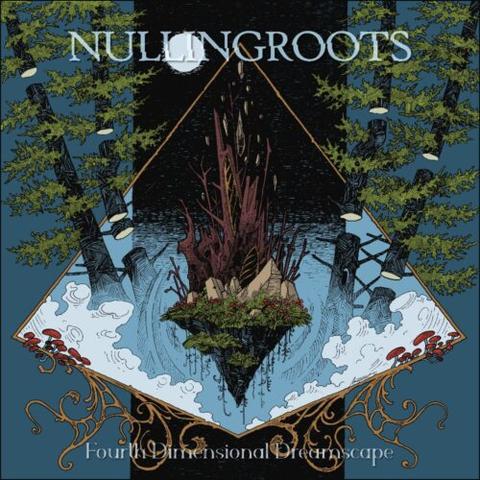
Fourth Dimensional Dreamscape by Nullingroots

Nullingroots packed a lot into the 55 minutes of Fourth Dimensional Dreamscape. The guitar chords often straddle the line between consonance and dissonance (“Fourth Dimensional Dreamscape,” “Remember My Name”). Drum tempo shifts are plentiful to the point of feeling erratic rather than progressive. The most intriguing track, “In Reverie’s Embrace,” combines a mystical keyboard tune with something almost resembling a rap beat played on the virtual drum kit. The vocals are the only area that can sometimes feel monotonous. The fierce rasps fit better within faster-paced songs like “Remember My Name,” but don’t mesh as well with the gentler “Memoir of a Frail Past,” though there are brief instances of smoother, gentler growls (“Life Thief”). The biggest missed opportunity is the complete absence of clean vocals, as Haddad’s singing would likely have complemented much of the instrumentation well if given the opportunity.

Despite its busyness, Fourth Dimensional Dreamscape doesn’t accomplish as much as it could. More often than not, it presents a jumble of independent moments as opposed to a fluid whole. Some of these moments are, admittedly, impressive, such as the guitar shredding partway through “The Optimist.” “Memoir of a Frail Past” and “In Reverie’s Embrace” fare better thanks to recurring keyboard melodies, but the rest of Fourth Dimensional Dreamscape is largely disjointed and at times nondescript. With a minimum track length of 7 minutes, the listener needs more reinforcement to stay grounded, especially in a setting where song intros and conclusions are regarded as optional. Ultimately, I don’t feel guided so much as roughly dragged through the majority of these long-form excursions.

Fourth Dimensional Dreamscape is a promising new sonic direction for Nullingroots after an extended absence, though it’s not without growing pains. I am convinced by the band members’ instrumental prowess, but less so by the songcraft. The first half goes down more smoothly than the second half, but the entire package isn’t sufficiently focused or cohesive. While it’s tough to wholeheartedly recommend Fourth Dimensional Dreamscape, with some tweaks and tightening, there’s a ton of potential for something really good to come. I’m (Nulling)rooting for them.

Rating: 2.5/5.0
DR: 8 | Format Reviewed: PCM
Label: Self-Release
Websites: nullingroots.bandcamp.com | facebook.com/nullingroots
Releases Worldwide: February 11th, 2026

#25 #2026 #AmericanMetal #BlackMetal #Dessiderium #Feb26 #FourthDimensionalDreamscape #Nullingroots #PostBlackMetal #PostMetal #ProgressiveBlackMetal #ProgressiveMetal #Review #Reviews #SelfRelease #Unreqvited
Karnivool – In Verses Review By Saunders

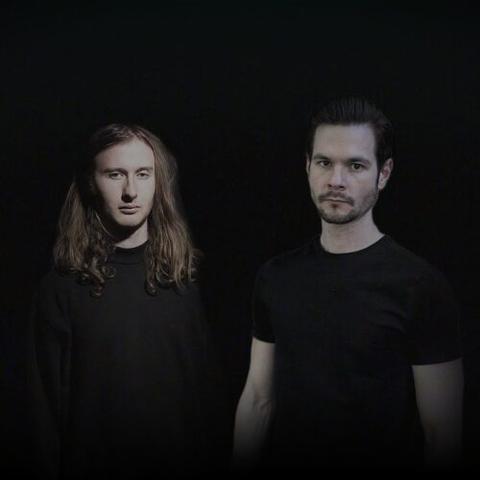
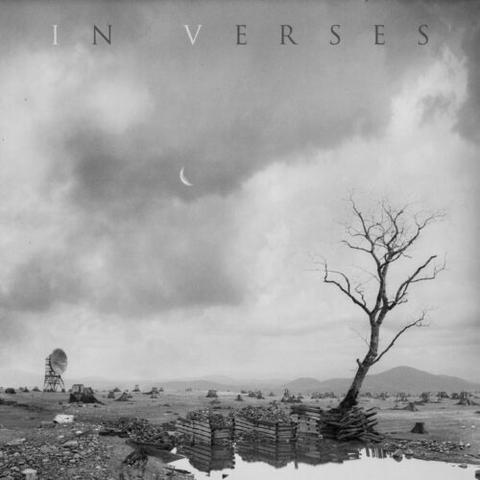
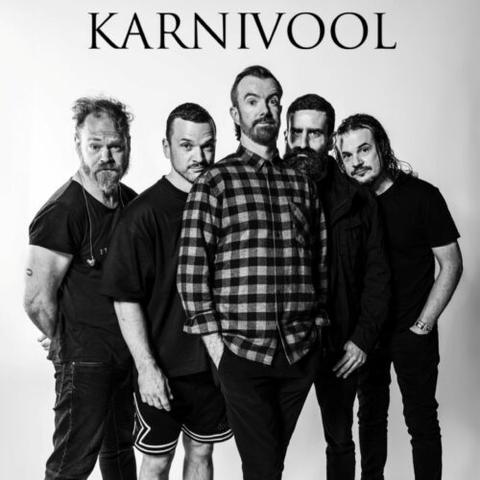
Following a string of setbacks, barriers, and logistical complications, Aussie progressive rock/metal juggernaut Karnivool finally return with their hotly anticipated fourth opus, In Verses. After nearly thirteen years between drinks, the crafty quartet, from the far reaches and musical hotbed of Perth, Western Australia, make a welcome return for prog aficionados and longtime fans of the veteran collective, who flourished from crunchy alt metal and nü flavored beginnings, into a revered progressive band through three previous LPs of high quality. From the clever arrangements and blockbuster hooks of 2005’s Themata, through to the accomplished, complex Toolisms and evolving textures of stunning sophomore platter Sound Awake (2009), to the rawer, experimental edge of 2013’s Asymmetry, Karnivool’s discography is sparse yet undeniably excellent.

Approaching In Verses feels a little strange initially. Karnivool’s curious decision to gradually drip-feed half the album’s songs across numerous months lends a familiarity to those without the willpower to give in to temptation, ensuring several of the songs are well lived in before giving the entire opus full attention. Take, for instance, the stormy rhythmic thrust and instantly gratifying hooks of lead single “Drone” (released in July 2025) or the revamped, stuttering crunch of “All It Takes,” originally released back in 2021. These higher energy songs are scattered throughout an album that pivots into more measured, subdued progressive pathways, courtesy of several longer form melodic odysseys, rich in detail, slow burning builds, and emotive, gorgeous vocals from silky voiced frontman Ian Kenny.

Opener “Ghost” unfurls at a relaxed pace, ramping up tension before a delightfully heavy, Middle Eastern-esque groove kicks in. After doing the rounds in their live shows, it is cool to finally hear the song in its studio form. Its complex arrangement and grinding edge lend a darker, off-kilter punch before the infectious burst of “Drone” makes its impressive mark. In Verses largely maintains momentum, sequencing quibbles aside. The softer material and prog power balladry roughly consume half the album, finding Karnivool snaking down introspective, heartfelt pathways, while compromising elements of Karnivool’s signature heavier, energetic fare, leading to pangs of initial disappointment. Over time, these feelings subsided as the brooding tones, glistening melodies, and gentle swells washed over. Soaring mid-album cut “Conversations” comes replete with delicate guitar work undercutting earworm hooks that cut deep. From noodling, melancholic builds, to crunchier undertones and hooks that eventually penetrate the brain and prove tough to dislodge, “Reanimation” culminates with an epic, soul-tingling solo from prog veteran Guthrie Govan (The Aristocrats, Steven Wilson).

Following the infectious grooves and bright melodies of “Remote Self-Control”, In Verses wraps up with a pair of wrenching, lighter in the air ballads (“Opal,” and haunting, bagpiped-adorned “Salva”). Again, displaying the slow-burning unfurl, structural subtleties and pop sensibilities featuring prominently across the album’s mellower cuts. Kenny’s powerhouse singing has been a staple of the Aussie music scene for decades now, both with Karnivool and high-profile rockers (now the questionably pop-inclined) Birds of Tokyo. It’s another highlight reel performance, bolstering Karnivool’s muscular, progressive rock/metallic core with blockbuster hooks, singalong anthems, and an emotionally raw delivery. Drummer Steve Judd and bassist Jon Stockman lay a mighty foundation, through a complex, tightly synced mix of tricky rhythms and driving grooves, paving way for guitarists Drew Goddard and Mark Hosking to delve into their bag of tricks. Supplementing crushing bursts of technical riffage and chunky grooves with understated layers of texture and noodling prog excursions, the duo perform impressively.

Over an hour-long runtime, Karnivool mostly get things right, though astute editing in patches and sequencing to more effectively disperse the mellower fare and energetic numbers, creates lingering nitpicks. Thus, In Verses proves difficult to score. Much of the material achieves, or at least teeters on the cusp of greatness, though the minor bloat, uneven pacing, and ballad-heavy approach compromise the album’s undeniable strengths. Regardless, In Verses marks a nuanced, introspective step in Karnivool’s evolution, rewarding patience, while retaining the signature hallmarks, intelligent songwriting, and hooky accessibility curated over the past couple of decades. Definitely a grower, In Verses won’t change the minds of listeners previously unmoved by Karnivool. Another singular entry into the band’s outstanding repertoire, In Verses stays true to the winning facets that have led to Karnivool’s revered status. Falling narrowly short of the lofty heights of Themata or Sound Awake, flaws and all, In Verses triumphs on its own merits.


Rating: 3.5/5.0
DR: N/A | Format Reviewed: Stream
Label: Cymatic Records
Websites: Official | Facebook
Releases Worldwide: February 6th, 2026

#2026 #35 #AustralianMetal #BirdsOfTokyo #CymaticRecords #Feb26 #InVerses #Karnivool #ProgressiveMetal #ProgressiveRock #Review #Reviews #SonyMusic #StevenWilson #TheAristocrats #Tool
Distorted Reflection – Doom Zone Review By Kenstrosity

Charm is a powerful drug. At the farthest extremes, charm can alter my perception at a fundamental level, warping what might otherwise be boring, unreliable, or even downright problematic things into something worth defending or even loving. But when it comes to music, charm—in measured doses, of course—allows me to fully enjoy the good in something flawed. This is what ultimately drew me to Greek doom startups Distorted Reflection in 2024, and now again in 2026.

2024’s Doom Rules Eternally introduced founding member Kostas Salodmidis’ new project to the world and established Distorted Reflection’s core of doom. Combining Candlemass riffs with Sorcerer drama and a touch of Sorrows Path shred, that core carries over unchanged into Doom Zone. Kostas’ beefy riffs and screaming solos remain as present as ever, and so does his shaky baritone croon. Vangelis gains greater presence with his bass here, which is a welcome improvement over the debut, burbling in lockstep with riffs and offering counterpoint during solo breaks. Filling out the lineup, Thomas Zen pounds the skins with a swinging stomp that suits this doom-laden material like a fitted suit, classy and reigned into the pocket at all times. It might not be the most exciting or unique formula, but it works.

Unfortunately, Doom Zone lacks the one thing that made Doom Rules Eternally worth covering: charm. Doom Zone isn’t completely soulless, but its flaws dominate my experience, leaving very little room for Distorted Reflection’s earnest delivery and competent riffcraft to shine. Evident from the onset of opener “3000 A.D.” and unrelenting throughout the runtime, Kostas’ vocals conspire to distract and detract at almost every opportunity. Unstable vibrato, strained upper range1, abysmal growls and repetitive melodic phrasing make tracks like “My Second Father,” “Gates of Paranoia,” “Tower of Dreams,” and “Morbid Reality” difficult to enjoy. Doom Zone’s songwriting is also noticeably weaker, suffering from a deeply repetitive structure and monotonous pacing that inevitably stalls any momentum individual elements (riffs, solos, choruses) initiate (“Asphyxiation,” “The Final Attempt”). It’s a good thing, then, that Doom Zone is short, clocking in at a responsible 39 minutes. Even so, it drags such that I routinely check my playback to see if I’m close to the end.

This is a shame, because Distorted Reflection are gifted musicians with great potential. Kostas filled Doom Zone with an arsenal of chunky riffs and high-octane solos (“3000 A.D.,” “Certain Death,” “Diminished,” “Morbid Reality”), many of which aptly reference the great works of the doom metal scene, though perhaps a bit too closely. Zen’s drumming is a perfect fit for this sound as well, and Vangelis’ bass noodling is a delight to hear with such clarity. More importantly, everybody understands their role and can play their instruments well enough to attract the spotlight without having to force it away from someone else. The overarching problem ultimately lies in the songwriting. With the exception of a few solid tracks at the album’s midpoint, like “Diminished,” Doom Zone wholly lacks the dynamics, the creativity, and the voice it needs to succeed.

Charm can go a long way to make me like something I would otherwise pass up. Distorted Reflection almost instantaneously lost the charm they once had after my time with Doom Zone. Unmemorable, uninspired, and at times downright irritating, Doom Zone fails to exhibit Distorted Reflection’s strengths in a way that overshadows their flaws. Instead, it accomplished the inverse. Flaws glare, making the process of picking out highlights a grind, and the experience of enjoying the good a chore. I still have hope that they can turn it around with album three, but as it stands, my recommendation is to leave Doom Zone behind while you traverse the doom zone.


Rating: Bad
DR: 6 | Format Reviewed: 320 kb/s mp3
Label: Iron Shield Records
Websites: distortedreflectiondoom.bandcamp.com | facebook.com/distortedreflectiondoom
Releases Worldwide: February 27th, 2026
#15 #2026 #Candlemass #DistortedReflection #DoomMetal #DoomZone #Feb26 #GreekMetal #IronShieldRecords #Review #Reviews #Sorcerer #SorrowsPath

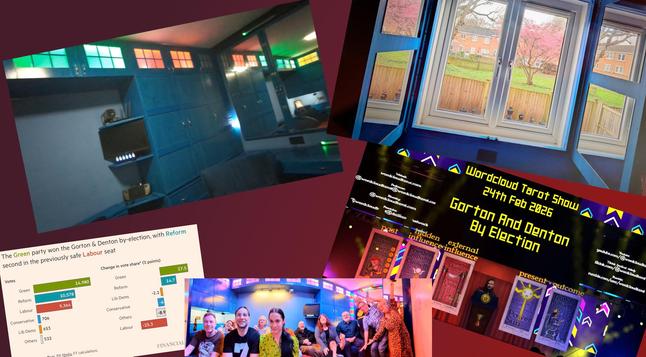
This month's slightly late newsletter for Feb is on it's way to the email box all the beautiful lovers who asked for that.

The rest of you dirty warmongers will have to read it here:

https://dalliance.net/blog/feb26/

Featuring Love, Lights, War, and Green party wins. It has bits about AI and enshitification and all that

#newsletter #digest #feb26

Borrower – Killerdemons Review By ClarkKent

Unlike some of our staff, I’ve never been in a band. However, I can imagine the feeling of satisfaction in putting together and releasing that first full-length record. For every band that achieves this milestone, countless more never do. Italy’s Borrower was nearly among that number. Formed in 1993, Borrower released three demos in the ’90s, a fourth in 2005, and then disappeared until 2018 with their debut EP. Whatever interrupted their musical career, the dream remained, and they finally released their first album (and signed to a label, to boot) 33 years later with their founding vocalist, Massano Ratano, and drummer, Frank Formoso, joined by new guitarists Matteo Marzo and Matteo Marini. Behold their vision, a story of killer, humanoid demons as told through music that harks back to some of the legends of ’80s and ’90s speed metal.

Granted, the concept of an album where each song tells a story about a distinctive demonic entity with its own unique “physical traits” and “specific weapon” is extremely silly, yet Killerdemons proves to be a catchy and cool affair. Borrower claim Motörhead, Judas Priest, and Dio as their main influences, and they write spare, riff-tastic tunes in their honor. The guitars carry much more heft than their influences, however, with enough reverb to take tunes dangerously close to stoner territory a lá High on Fire and Black Sabbath. This marriage between speed and stoner proves effective. “El Degollador” oscillates between lightning-fast, “Ace of Spades”-inspired riffs and slower, “War Pigs”-style stoner riffs in a performance that’s sure to give you whiplash. Taking a cue from AC/DC, Borrower keeps their song structures simple yet catchy. The rollicking “Stay Alive” best demonstrates this virtue with crisp songwriting and energetic pacing. Each track has distinctive riffs that are far more powerful than the demons it conjures.

In the eight years since their 2018 EP, A Plague Chapter…, Borrower has vastly improved their sound and instrumental prowess. The two Matteos have played a major role in this transformation. Marini’s fuzzy guitar tone adds heft where the EP’s guitars sounded tinny. His blending of Motörhead-style riffcrafting with the density of High on Fire and Mastodon adds an extra oomph to tracks like “Der Todessoldat” and “Tough Fight.” Marzo’s bass takes a commanding presence as well. He adds depth and backbone to the music, making his presence especially felt on the slower moments of “Knocking on the Coffins.” Formoso takes a restrained approach behind the kit, occasionally blasting the cymbals (“Dream on Fire”), but mostly setting the pace with an effective simplicity. The wild card of the group is vocalist Ratano. He seemingly channels Lemmy, Arnold Schwarzenegger, and Fozzie Bear in a truly strange, yet somehow endearing performance. His Italian accent, which drags out the words “kee-ler dee-mons” during the chorus of “Killerdemons,” adds a level of camp that contributes to the goofy fun.

While Borrower keeps Killerdemons to a concise 36 minutes, the record does falter on the two songs that stray from the 3-4 minute range. The first, “Knocking on the Coffins,” has some memorable riffs, including a cool, old school solo, but at over five minutes, it drags on a bit too long. Positioned between the album’s two best tracks, it also proves to be a major momentum killer. The biggest sore thumb, however, is the six-plus minute finale, “A Chaos Vortex.” Not only does it lack memorable riffs, but it falters in its final two minutes as the band sorely misjudges when to best wrap it up. Trimming 2-3 minutes from each of these songs would have immensely improved the album’s otherwise incredible pacing.

As I established last month, metal tends to invite some weird characters, and the killer demon universe created here is certainly an odd one. But that’s also what makes metal so much fun. Bands feel free to try out their off-the-wall ideas, from literary– or video game-inspired themes to the creation of fantasy or sci-fi realms. And sometimes these ideas actually work. Borrower finally sees through their vision, or at least the start of it, and presents it in such a catchy, cool way. I love to see original ideas performed with such care and passion, and I hope these guys continue to cultivate their ideas and musical talents.


Rating: 3.0/5.0
DR: 6 | Format Reviewed: 320 kbps mp3
Label: Argonauta Records
Website: Bandcamp | Facebook | Official Site
Releases Worldwide: February 13th, 2026

#2026 #30 #ACDC #ArgonautaRecords #BlackSabbath #Borrower #Dio #Feb26 #HeavyMetal #HighOnFire #ItalianMetal #JudasPriest #Killerdemons #Mastodon #Motörhead #Review #Reviews #SpeedMetal #StonerMetal
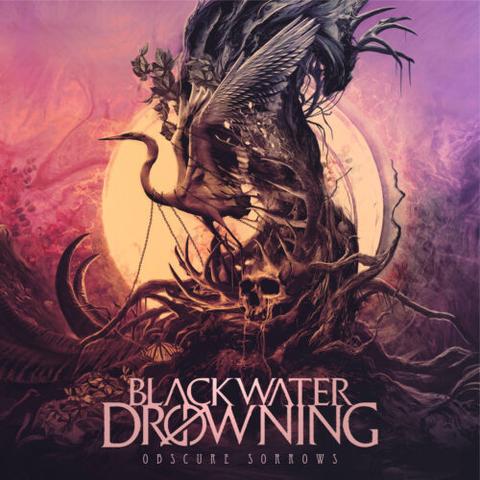
Blackwater Drowning – Obscure Sorrows Review By Lavender Larcenist

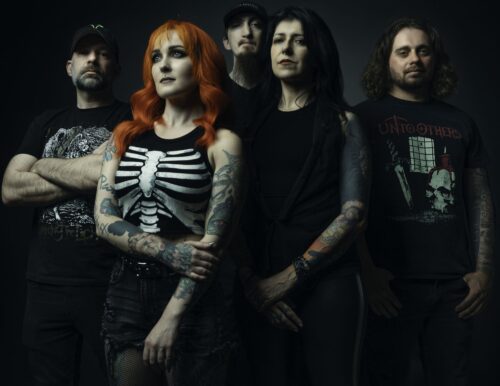
I’m going to come out and say it. Arch Enemy has done untold damage to female-fronted metal bands. While their influence is undeniable, every iteration of the band has featured monotone vocals, cringe-inducing lyrics, and leather-clad frontwomen. As a woman, I have no issue with these things in a vacuum, but in the larger music sphere, they created simultaneously high and absurdly low standards. Requiring frontwomen to be stereotypically hot, thin, and sport bright hair, while also plummeting standards on the musical side with their milquetoast melodeath slop. This is an ill omen for North Carolina’s Blackwater Drowning, seemingly following in Arch Enemy’s footsteps on a surface level, but do they make the same mistakes from a musical perspective, or are they influenced only in aesthetics?

Blackwater Drowning’s sophomore album, Obscure Sorrows, is at times a grab bag of popular metal cliches. Their latest is full of groovy, djent-laden riffs and chugging, staccato metalcore. Light orchestration adds obligatory bombast to intros and a few sections, while uninspired cleans occasionally show up as if they are a necessary evil. Vocalist Morgan Riley has more range and skill than their clear inspirations (Arch Enemy), but ultimately sits in the mid-range for far too long, and her clean singing lacks skill and panache. The highlight of Obscure Sorrows is guitarist Ron Dalton’s playing and the rich production (courtesy of Cryptopsy guitarist Christian Donaldson). Dalton’s riffs cover a wide range of styles, and the album highlight “Heir Of The Witch” is where the band should focus their sound, with its rolling energy and massive groove. Bassist Aria Novi shines due to the quality production, and frequently bolsters Dalton’s riffs and drummer Aamon Dalton’s technical hammering. There is no lack of talent across the band, but the whole crew seems too comfortable sitting in the mid-range, making for an album that bleeds together.

Obscure Sorrows’ biggest sin is its inability to shake things up. Across the ten tracks, they all sit in such similar spaces that they are hard to tell apart. Even song lengths are eerily similar, and they tend to reach for the same tired notes, making for music that lacks hooks. It feels harsh to lay so much at the feet of Blackwater Drowning, because the band clearly isn’t lacking in technical skill, but I think comparing songs to each other and treating the album as a whole shows a record that is far too safe and too middling in its soundscape. Clean singing makes occasional appearances but rarely stands out except on “Teeth and Claws,” which features some genuine atmosphere and brooding emotion.

Obscure Sorrows isn’t bad by any stretch, and the album opener, “The Sixth Omen,” features a roaring intro riff, even if it devolves into an uninspired chorus. The production elevates the album, and the clarity and crunch on display are admirable even if the source material doesn’t necessarily do it justice. “Washed Out, Washed Away” is backed by a crushing blackened death riff, and “Where Men Fear To Tread” showcases Morgan Riley’s skill on the low end alongside an anthemic chorus bookended by a teetering solo. “Teeth And Claws” evil lead riff helps the track ascend the mid-range soup and features some creative cleans from Riley.

In the end, Obscure Sorrows is an album I wanted to love, and with a bit of editing, variety, and focus on groove, Blackwater Drowning could truly stomp fools on their next record. As it stands, their latest is a competent, if safe, drop in the female-fronted melodeath bucket. Fans of the genre may get more out of it than I did, and they easily beat Arch Enemy at their own game, but Blackwater Drowning has a bit of work to do before they can truly drop the barn burner I know they are capable of. Luckily, this is a young band with a hopefully long career ahead of them, and as many say, the third time is the charm.

Rating: Mixed
DR: 6 | Format Reviewed: 320 kbps mp3
Label: Bleeding Art Collective
Websites: blackwaterdrowning.com | Facebook
Releases Worldwide: February 27th, 2026

#25 #2026 #AmericanMetal #ArchEnemy #BlackwaterDrowning #BleedingArtCollective #Feb26 #GrooveMetal #MelodicDeathMetal #Metalcore #ObscureSorrows #Review #Reviews
Abstracted – Hiraeth Review By Samguineous Maximus

Once upon a time, before I was a battle-jacket-wearing, corpse-paint-adorned, trve-metal warrior of the highest order, I was a high-school prog nerd. The djent wave was cresting just as I began to really delve deeper into music, and the hordes of technical, djenty bands with ultra-modern production and surprising amounts of melody still sit near and dear to my heart, even if I rarely reach back into the Sumerian-scented pile in my regular listening habits. 1 That’s why when I saw the promo for Hiraeth, the 2nd album by Brazilian prog metallers Abstracted, with comparisons to The Contortionist, The Human Abstract, and Between the Buried and Me, I couldn’t help but get a little excited at the prospect of newer music tapping into those formative sounds. Abstracted have been a band since 2013, and their long-gestating debut record, 2022’s Atma Conflux, was an effective and varied slab of djenty progressive death metal, marred by tepid production and less-than-stellar clean vocals. More than anything, though, it showed potential as a record brimming with ideas that was so close to being great. With Hiraeth, can the Brazilian group finally unify their influences into something more than the sum of their parts?

On Hiraeth, Abstracted demonstrates a thorough understanding of contemporary progressive metal styles and integrates them into something all their own. The band’s main sound is a djent-fueled take on modern progressive death metal, closest to early-era The Contortionist in its blending of odd-meter riffery, post-rock-influenced textures, and an enticing contrast between melancholic space-age cleans and technical 6-string chugs. Abstracted balance this with more traditional Haken-esque classic prog turnarounds and jazz breaks (“Sirens”), fast-paced Between the Buried and Me riff marathons (“To Quench This Insatiable Thirst”), and harmonic nuance within darker moments à la Persefone (“Requiem”). The result is a varied and dynamic set of tunes that glide effortlessly between impressive riff-fueled aggression and cathartic melodies. Songs like “The Utter End” and “The Barren Grave of God” demonstrate the band’s ability to naturally move from strength to strength without missing a beat, unfolding across expansive guitar arpeggios, delightfully off-kilter breakdowns, virtuosic solos, and powerful musical climaxes.

Hiraeth by Abstracted

This level of fluidity and genre cohesion on Hiraeth is only made possible by the high level of musicianship Abstracted display. Guitarists José Consani and Leonardo Brito give varied performances that successfully meld more djent-centric playing with classic death metal sensibilities and demonstrate keen melodic ears with dense jazz chords and powerful lead lines. Drummer Fernando Pollen blends Latin grooves with acrobatic modern metal flourishes, and the production’s more natural drum tone allows his dynamic nuances to guide several songs. 2 On bass, Riverton Alves turns in a thoroughly warm and jazz-based, Cynic-flavored performance that shines during quieter moments, while keyboardist Carol Lynn supplies plenty of atmosphere through subtle synth textures and steps to the forefront a few times with quirky, but effective synth lines reminiscent of Diego Tejeida. Together, this ensemble breathes plenty of life into a style of music that can often feel over-processed, and their performances help to unify this collection of songs into a cohesive whole.The only elements of Hiraeth that aren’t immediately impressive are the vocals and the production. Rosano Pedro Matiussi delivers an impassioned performance, and his vocal lines often fit the songs well, but his clean singing lacks a certain impact or personality to elevate good moments into great ones. Initially, this was enough to deter me from really digging deeper and appreciating the songcraft on display, but the singing grew on me quite a bit with time. Similarly, his death growls are solid, if not one-note, and they feel like they exist more so to fill a role than to accent particular sections. This could potentially be the production’s fault, as Hiraeth sounds generally good and more natural than the swaths of overproduced modern prog 3 but lacks a certain sonic clarity, occasionally making especially dense sections harder to parse. There’s a distinct lack of reverb on the harsh vocals, and I can’t help but wonder if a stronger mix could fit the layered clean singing a bit better. Matiussi’s vocals are far from bad, and there are parts like the somber intro to “Requiem” where he sounds great, but when everything else is operating at such a high level, they feel like a weak link.

With Hiraeth, Abstracted have delivered an impressive piece of modern progressive metal. This record is a grower for sure, with dense and layered compositions often revealing their clever construction and intense interconnectedness only after repeated spins. Even if the vocals leave a little to be desired, the Brazilian group has successfully combined the sounds of several of the best modern prog bands into something exciting and nuanced.

Rating: Good
DR: 5 | Format Reviewed: 320 kbps mp3
Label: M-Theory Audio
Websites: abstractedmetal.bandcamp | facebook.com/abstractedbr
Releases Worldwide: February 20, 2026

#2026 #30 #Abstracted #AnAbstractIllusion #BetweenTheBuriedAndMe #BrazilianMetal #Cynic #Djent #Entheos #Feb26 #Haken #Hiraeth #MTheoryAudio #Persefone #ProgMetal #ProgressiveDeath #ProgressiveMetal #Review #Reviews #TheContortionist #TheHumanAbstract
Dusk – Bunker Review By Kronos

Dusk have been at it for a while now, toiling in the shadows to scrape together an acid concoction of abrasive noise and screaming menace. But who hasn’t? Newcomers to the blog, or the metal scene in general, may not have enjoyed of the deep sadness of early-2010s underground metal, when the promo pit burst with bedroom black metal from a seemingly inexhaustible trove of men who owned a guitar and made up for their lack of talent, and bandmates, and vision by pure profligacy. Though we’re now blessed with far more in the way of interesting music, the Vardans of the world are still out there, now and again transformed by their toil into something worthy of remark. And the crisp mashup of industrial synthesizers and black metal intensity has been worth a listen for the last decade in which Dusk have operated. Now it’s worth a few more.

Bunker is the Costa Rican band’s seventh record, and sixth this decade, masterminded by the eponymous producer who has had the Dusk aesthetic down to a science; enveloping low-end rumbles, echoing synths, spares instructions for his attendant vocalist and string-slingers, and a grim sense of inevitability. With the sound palette sorted out, it’s up to Dusk’s compositional skill to make Bunker worthwhile. It’s all too easy for electronic music to lean heavily into repetition; the infinitely replicable nature of composition in the medium lends itself towards riding extended grooves while adding and subtracting new elements. While Dusk certainly use this to their advantage in the latter half of the album, Bunker is front-loaded with two exciting tracks that move much faster than their tonal palette would suggest. “BUNKER I” begins in noisy ambience before introducing an Author & Punisher beat as its other sounds warp and stutter. A sudden blast of tremolo picking by guitarist Implacable gives way to more complex industrial beats and a simple, martial guitar riff, and then it’s over, transitioning into the Anaal Nathrakh-meets-Bliss Signal “Bunker II,” which vacillates between electronic blasts and subdued keys, with a lonely sonar ping accompanying both. Neither element ever overstays its welcome, and just six minutes in to Bunker, I was hooked.

Dusk can pack detail into songs even when they’re allowed to stretch out, and Bunker succeeds on meticulous sound design. In the doomy, menacing “Bunker III,” Dusk re-uses beats and samples dozens of times, but never outright repeats the same combinations of elements, making full use of the tools available to them. Though the song is slow-moving, subtle crescendos, particular spacing of instruments across the sound stage, and slowly adjusting cutoffs that amplify the intensity of a clip of breaking glass combine to keep this reprieve interesting for as long as the first two tracks lasted.

At twenty-three minutes, Bunker is an exercise in restraint that pulls ahead of the band’s back catalog in part on the strength of its concision. These songs move through ideas quickly enough to never grow stale, but there’s also a nagging feeling that Dusk’s compositions are somewhat automatic; each new idea that the songs explore is a small one, introduced almost scientifically so as to see just what that little tweak will do in the context surrounding it. No bizarre riff, jarring melody, or impressive performance could maintain this paradigm. Bunker, like most records Dusk put out, is something of a mood piece, hewing closely to a particular exploration of what this industrial/black metal hybrid can be without producing standout songs that make the sound creatively compelling. I’m left wanting something a bit less well-considered, something vital that’s often difficult for me to find in electronic music.

Nevertheless, Bunker is a compelling introduction to Dusk for anyone who hasn’t encountered the group before, and it stands as a concise exploration of their sound. Its damp, brooding atmospheres contrast expertly with moments of screaming static, and it’s all bolstered by enveloping production. Among the band’s now lengthy back catalog, Bunker’s combination of concision and vision stands out, but it’s only the sum of its many intricate but unimpressive parts. For Dusk to break through, they’ll have to break their own carefully-constructed mold.


Rating: 3.0/5.0
DR: 5 | Format Reviewed: 320 kbps MP3
Label: Self-Released
Websites: duskvt.bandcamp.com
Releases Worldwide: February 20th, 2026


#2026 #30 #AltarOfPlagues #AnaalNathrakh #AuthorPunisher #BlackMetal #BlissSignal #Bunker #CostaRicanMetal #Dusk #Feb26 #IndustrialMetal #Review #Reviews
Malefic – Impermanence Review By Andy-War-Hall

A tabby cat is what you get when you let nature take its course. Nearly every stray is a tabby because, without selective breeding from human interference, cats just end up looking like that most of the time. Similarly, Atlanta’s Malefic feel to me what you’d get if you let the faster variants of extreme metal reach their natural conclusion. Playing a style that draws from thrash, black and death metal, Malefic formed in 2007 with the stated goal of modernizing black metal. In doing so, they’ve imbued in their slow-cooked debut Impermanence, an intensity and drive befitting a genre-forwarding record. But is Impermanence the cat’s meow, or did Malefic cough up a hairball?

Like how tabbies are genetically diverse but visually similar, Malefic’s many ingredients blend into a kind of extreme metal slurry on Impermanence, all present but difficult to identify individually. Sure, some riffs are more typically one thing than another, like the Testament-like thrash chops opening “In Darkest Dreams,” or the Dissectionesque blackened trems on “Blood of the Throne,” or the Opethian deathly grooves of “It Haunts.” But taken as a whole, Impermanence doesn’t lean towards one sub-genre over another. Instead, Malefic’s mutt-metal manifests into an off-kilter, volatile force of hostility, recalling heavily of the genre-blending approach Xoth take. Xoth are actually probably the best comparison to Malefic, as drummer Aaron Baumoel’s rasps and screams sound a lot like both of their vocal duo, and guitarists Jason Davila and Sam Williams’ solos follow the melodically rich, whammy-friendly stylings of Xoth (“Idiocracy”). Bolstered by a rhythm section of Baumoel and bassist Andy McGraw, who both know how to lay down some serious groove when needed (“Deserter”) and a dynamic mix, Impermanence shows that those years of honing their style have paid off for Malefic. It’s a good sound!

But what confuses me about Impermanence is that it feels aimless in many places, but not because Malefic can’t edit. To the contrary, every song on Impermanence is tight and focused, only running past five minutes on “It Haunts.”1 Malefic also aren’t indulging in extraneous instrumentals or soloing, as songs like “Of Gods and Man” and “Disembodiment” showcase the band’s restraint within their buck-wild playing. The issue is that Impermanence doesn’t stick with an idea long enough. “Blood of the Throne” and “Obsidian Earth” have, like, five riffs in their first minutes or so each; instead of expounding upon a few ideas, Malefic often churns through ideas before they’ve settled into something sticky. This pattern especially stinks when they land on something great and don’t develop it, like the swinging, discordant riff in the second verse(?) of “Echoes of Silence” or the guitar runs opening “Obsidian Earth.” Impermanence sees a band on a mission, but maybe also a band in too much of a hurry.

What this amounts to is that Impermanence possesses a sound I can’t say I’ve heard before, but also, confusingly, one that’s somewhat indistinct from other extreme metal albums. Malefic’s aforementioned style-soup is so dense with expansive inspirations and somewhat progressive tendencies (“Disembodiment,” “It Haunts”) that, besides some serious Xothisms here and there, it adds up to something not exactly like the sum of all of their influences. But at the same time, Impermanence’s loose structuring and lack of purposeful repetition hampers Malefic’s ability to craft lasting hooks. By and large, most songs start with some fanfare, rage for three-to-four minutes straight while Malefic tear through riffs with reckless abandon like a more evil, more succinct Trivium and end with little resolution. It can be very exciting and enjoyable in the moment, but I’m left with little to remember Impermanence by the time it’s over.

But there is nothing wrong with a tabby cat,2 and there’s nothing wrong with Malefic. They’ve carved out a great sound for themselves that more purposeful songwriting could harness into a truly hog-wild time. But where Impermanence excels in thrills, it lacks staying power, mostly in part to Malefic’s restless pursuit of riffs above all else. Fans of blackened thrash, blackened death, death thrash or bethrashened black death could do a lot worse than giving Impermanence a spin, but it’s probably not the genre-shaking game changer the band wanted. There’s always the sophomore album, however…


Rating: Mixed
DR: 9 | Format Reviewed: 320 kbps MP3
Label: Terminus Hate City
Websites: maleficband.com | malefic.bandcamp.com | facebook.com/MaleficBandATL
Releases Worldwide
: February 13th, 2026

#25 #2026 #AmericanMetal #BlackMetal #DeathMetal #Dissection #Feb26 #impermanence #Malefic #Opeth #Review #Reviews #TerminusHateCity #Testament #ThrashMetal #Trivium #Xoth
Hoaxed – Death Knocks Review By Maddog

Death Knocks isn’t the most extreme album out there, but it straddles the metal boundary more than enough to earn a spot here. While I hadn’t heard of Hoaxed before, their new release caught my eye through its album art and its impressive lead single, “Where the Seas Fall Silent.” This three-piece from Portland plays metal-edged occult rock that aims for an eerie atmosphere as much as for melodic gems. Simple and concise, Death Knocks isn’t revolutionary, but it’s a worthwhile half-hour coven excursion.

Hoaxed plays a familiar brand of bass-heavy, mid-paced doomy rock. In contrast with much of the genre, Hoaxed’s guitars might be the most understated part of their sound. Alternating between more aggressive riffs that recall Sumerlands and sparser melodies, Kat Keo’s guitar work is simple but tinged with evil. New bassist April Dimmick (Soul Grinder) brings her thrash experience to bear with aggressive thumping bass lines that often steal the show. Keo also handles lead clean vocals, while Dimmick alternates between clean harmonizing and harsh growls. These vocal melodies serve as a backbone, offering straightforward but engaging hooks to hold songs together. Rounded out by occasional synth backing, Death Knocks’ style of Gothic rock reminds me of Avatarium or a slowed-down Unto Others. It’s not an unheard-of style, but it’s one that works.

Death Knocks by Hoaxed

Death Knocks revels in its simplicity. Keo and Dimmick’s vocal work shines through its power rather than any technical gymnastics. The catchy melodies grab my attention throughout, even when other pieces falter; for instance, the rising and falling vocals of “Kill Switch” single-handedly redeem a track that struggles otherwise. Keo’s serene vocal approach sometimes reminds me of Myrkur’s folkier work (“The Fallen”). Similarly, Dimmick’s vocal harmonies aren’t earth-shattering, but they add a layer of depth throughout the album. Meanwhile, her bass riffs don’t hesitate to take center stage, adding oomph and variety (“Wretched”). But the real star of this show might be the drums. Kim Coffel’s tom-heavy and hi-hat-heavy kit attack displays a mastery of groove and creativity without feigning a technical clinic. The drums evolve constantly both within verses and between them, adding fluidity even in melodically simple moments (“Dead Ringer”). Coupled with a rich sound, Death Knocks’ drums are the most memorable part of the album, which I rarely ever say.

Straightforward songs are Hoaxed’s strength, but they can get old. Death Knocks’ song structures are cookie-cutter, with verses and choruses interspersed with instrumental interludes. While this poppy approach can work fine, it quickly loses me when the underlying melodies aren’t bulletproof (“Promised to Me”). Similarly, Hoaxed struggles to have creative outros even on their stronger tracks (“The Fallen”), making it seem like they came up with great ideas but weren’t sure how to stitch them together. Keo’s guitar melodies stand out on the opener “Where the Seas Fall Silent” and the fantastic “The Family,” but in the middle of the album, they tend to lose my interest through repetition. Death Knocks is consistently competent, but would benefit from more variety in its songwriting.

It’d be tough to argue that Death Knocks rewrites the book on anything. But with catchy vocal harmonies, engaging guitar and bass lines, and a stand-out drum performance, it’s a worthy addition to your collection. Death Knocks is also a triumph of conciseness; if this album had been 50 minutes long rather than 31, the bloat would have made it more of a chore to get through. As it stands, while Hoaxed has room to grow in their musical diversity, Death Knocks is a perfectly entertaining and ghoulish listen.

Rating: 3.0/5.0
DR: N/A | Format Reviewed: Stream
Label: Relapse Records
Websites: hoaxed.bandcamp.com | hoaxedband.com | facebook.com/hoaxedband
Releases Worldwide: February 13th, 2026

#2026 #30 #AmericanMetal #Avatarium #DeathKnocks #DoomRock #Feb26 #HardRock #HeavyMetal #HeavyRock #Hoaxed #Myrkur #OccultRock #RelapseRecords #Review #Reviews #Sumerlands #UntoOthers