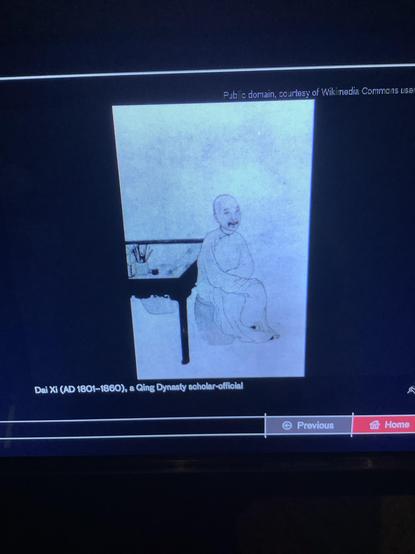
Rain-Coming Pavilion celebrates a pivotal moment of rebirth as it records Dai Xi's homage to nature and resilience. From drought to elegance, this handscroll encapsulates historical depth. What stories does this serene landscape whisper to you?
#ChineseArt #ClevelandArt #DaiXihttps://clevelandart.org/art/1979.54"Rain-coming Pavilion" beautifully captures a pivotal moment in history, showcasing the resilience of nature and spirit. Dai Xi's artistry invites viewers into a serene world, blending landscape with poignant narrative. What emotions does this scene evoke for you?
#DaiXi #ClevelandArt #ChineseArthttps://clevelandart.org/art/1979.54Explore the harmonious blend of nature and architecture in Dai Xi's "Rain-coming Pavilion." This ink landscape captures a pivotal moment in history, symbolizing hope after a drought. How does this fusion of art and history resonate with you?
#ClevelandArt #ChinesePainting #DaiXi #ArtHistoryhttps://clevelandart.org/art/1979.54Rain-Coming Pavilion captures a pivotal moment in 1838, reflecting resilience and cultural identity. This traditional landscape beckons viewers to explore the interwoven narratives of nature and history. What resonates most with you—art or story?
#ClevelandArt #DaiXi #ChineseArt
https://clevelandart.org/art/1979.54
Rain-coming Pavilion captures a historic moment on Mt. Tiantai, merging nature and architecture with masterful brushwork. Dai Xi's tribute to resilience and beauty invites us to ponder: how does art reflect historical narratives?
#ChineseArt #DaiXi #ClevelandArthttps://clevelandart.org/art/1979.54
Rain-coming Pavilion by the Stone Bridge at Mt. Tiantai | Cleveland Museum of Art
The subject is not just Mount Tiantai in Zhejiang Province, the ancient seat of the most powerful Buddhist sect of Sui and Tang dynasties, but records a specific occasion in 1838 when an official visited Tiantai and began the reconstruction of a historic pavilion. As this coincided with the end of a long drought, the building was auspiciously renamed the Yulai (Rain-Coming 雨來) Pavilion. Ten years later, Dai Xi painted this handscroll to commemorate the occasion.
Rain-coming Pavilion captures a moment where history, spirituality, and artistry intertwine beautifully. Dai Xi’s homage to resilience against turmoil serves as a reminder of nature's blessings. How does this blend of history and art resonate with you?
#ClevelandArt #DaiXi #ChineseArt #LiteratiStyle
https://clevelandart.org/art/1979.54
Rain-coming Pavilion by the Stone Bridge at Mt. Tiantai | Cleveland Museum of Art
The subject is not just Mount Tiantai in Zhejiang Province, the ancient seat of the most powerful Buddhist sect of Sui and Tang dynasties, but records a specific occasion in 1838 when an official visited Tiantai and began the reconstruction of a historic pavilion. As this coincided with the end of a long drought, the building was auspiciously renamed the Yulai (Rain-Coming 雨來) Pavilion. Ten years later, Dai Xi painted this handscroll to commemorate the occasion.
Rain-Coming Pavilion captures a moment of hope and renewal during a historic visit to Mt. Tiantai. Dai Xi's intricate brushwork harmonizes nature and narrative, while the calligraphy enhances its elegance. How does this piece resonate with your understanding of resilience?
#ChineseArt #DaiXi #ClevelandArt #ArtHistoryhttps://clevelandart.org/art/1979.54Rain-coming Pavilion by the Stone Bridge at Mt. Tiantai | Cleveland Museum of Art
The subject is not just Mount Tiantai in Zhejiang Province, the ancient seat of the most powerful Buddhist sect of Sui and Tang dynasties, but records a specific occasion in 1838 when an official visited Tiantai and began the reconstruction of a historic pavilion. As this coincided with the end of a long drought, the building was auspiciously renamed the Yulai (Rain-Coming 雨來) Pavilion. Ten years later, Dai Xi painted this handscroll to commemorate the occasion.
Rain-coming Pavilion beautifully captures the historical moment when nature and spirituality converged in 1838. Dai Xi's intricate brushwork and bold calligraphy invite viewers to reflect on resilience and renewal. What stories do you see in this masterpiece?
#ClevelandArt #DaiXi #ChineseArt #ArtHistoryhttps://clevelandart.org/art/1979.54Rain-coming Pavilion by the Stone Bridge at Mt. Tiantai | Cleveland Museum of Art
The subject is not just Mount Tiantai in Zhejiang Province, the ancient seat of the most powerful Buddhist sect of Sui and Tang dynasties, but records a specific occasion in 1838 when an official visited Tiantai and began the reconstruction of a historic pavilion. As this coincided with the end of a long drought, the building was auspiciously renamed the Yulai (Rain-Coming 雨來) Pavilion. Ten years later, Dai Xi painted this handscroll to commemorate the occasion.
The "Rain-Coming Pavilion" elegantly captures a moment in 1838, blending stunning landscapes with poetic calligraphy. Dai Xi's homage to resilience and beauty reminds us of art's power, even in turbulent times. What stories do you see in this masterpiece?
#ClevelandArt #DaiXi #ChineseInkPaintinghttps://clevelandart.org/art/1979.54Rain-coming Pavilion by the Stone Bridge at Mt. Tiantai | Cleveland Museum of Art
The subject is not just Mount Tiantai in Zhejiang Province, the ancient seat of the most powerful Buddhist sect of Sui and Tang dynasties, but records a specific occasion in 1838 when an official visited Tiantai and began the reconstruction of a historic pavilion. As this coincided with the end of a long drought, the building was auspiciously renamed the Yulai (Rain-Coming 雨來) Pavilion. Ten years later, Dai Xi painted this handscroll to commemorate the occasion.
 Hidden Gems
 charring auh