 FJ
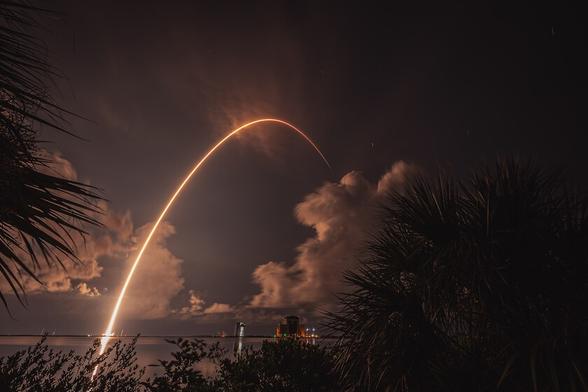
FJ¿Elon Musk, a través de SpaceX y sus satélites, están contaminando el aire del planeta? Según parece, puede ser así, según el artículo que os dejo, y que ha sido publicado en Xataka. Pero después de leer los comentarios a este artículo, veo más claro que, no solo se trata de Musk, si no de la cantidad de satélites, con la inmensidad de gasto energético "sucio" que se utiliza para que los satélites lleguen a su órbita, lo que hace que aumente la contaminación, porque, a mi parecer, ya es exagerado la cantidad de satélites que están en órbita (indistintamente del porcentaje de satélites de cada empresa y país, e indistintamente de la eficiencia de los cohetes utilizados para su puesta en órbita). Y eso me hace reflexionar... ¿Cual sería la cantidad máxima de satélites en órbita, para no perder eficiencia en las comunicaciones actuales, y que la contaminación sea mínima? Porque a este paso, con esta "Guerra Fría Comercial" de "A ver quien la tiene más grande" en las comunicaciones satelitales, acabaremos asados por el aumento del calor y envenenados por tener los pulmones llenos de micropartículas de aluminio. ¿O estoy siendo demasiado exagerado en mi conclusión sobre los efectos en la salud?
A título personal, este artículo se tendría que titular: Cuando el envio de satélites puede provocar el fin de este planeta por el aumento de la contaminación.
https://www.xataka.com/espacio/starlink-lleva-anos-arruinando-noches-astronomos-ahora-resulta-que-sus-lanzamientos-estan-dejando-huella-clima
PD: Y eso que estoy dejando de lado la vertiente política de este tema 😮💨
#cambioclimatico #satelites #climaticchanges #calentamientoglobal #climatechange #climatecrisis #clima #satellites #spacex #elonmusk #elon #musk #venenos #ambiental #medioambiente #aireContaminadoEfectosSalud #AireLimpioYa #comunicaciones #comunicacionessatelitales #cohetesespaciales #cohetesSpaceX #coheteschinos #eficienciatecnologica #SaludAmbiental
 Stefan F. Wirth


 Cluster ROOTS

 bacigalupe