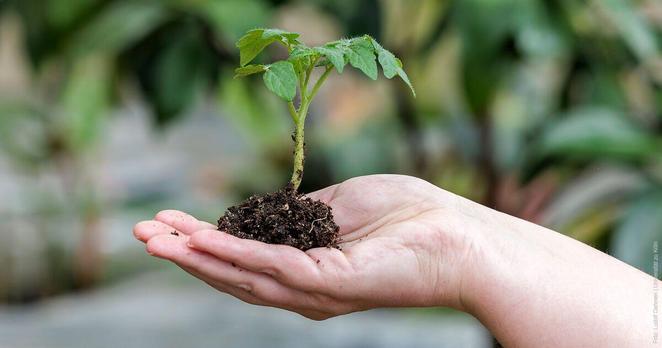
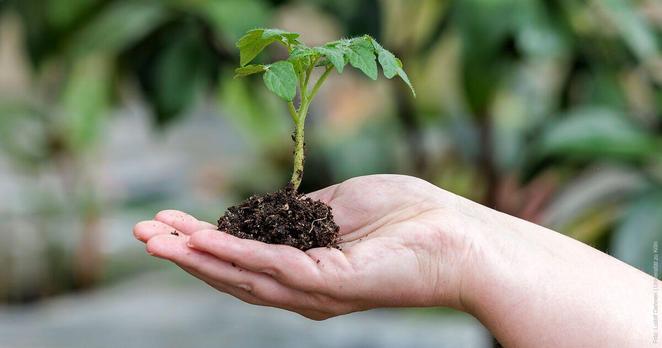
🌱🦠🧬 The Ultimate Team Players: How Microbes and Organisms Work Together

Invisible allies are pulling the strings: Bacteria and fungi form a symbiotic unit with animals and plants called the holobiont. But how do our microbial partners shape our health, medication—and even the fight against climate change? 🧵

Professor Filipe Cabreiro and Professor Bart Thomma provide a glimpse into their research in the latest issue of #Unimagazin ▶️ https://uni.koeln/EGTV3
#uniköln #unicologne #ceplas #cecad

🌱🦠🧬 Teamwork der Extraklasse: Wie Mikroben und Organismen zusammenarbeiten

Unsichtbare Helfer steuern mehr, als wir denken: Bakterien und Pilze bilden mit Tieren und Pflanzen eine symbiotische Einheit – den Holobiont. Doch wie beeinflussen Mikroben unsere Gesundheit, Medikamente und sogar den Kampf gegen Klimawandel?
Professor Filipe Cabreiro und Professor Bart Thomma geben im aktuellen #Unimagazin einen Einblick in ihre Forschung ▶️https://uni.koeln/NXSEN
#uniköln #unicologne #ceplas #cecad

🌍🌱 For a green future
The CEPLAS Cluster of Excellence on Plant Sciences tackles climate‑resilient crops, biodiversity preservation, and ecosystem functionality.

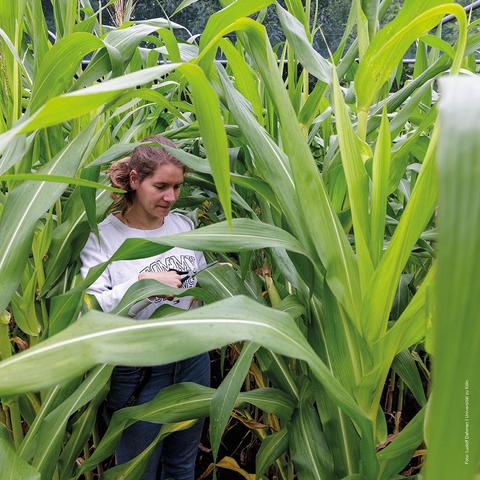
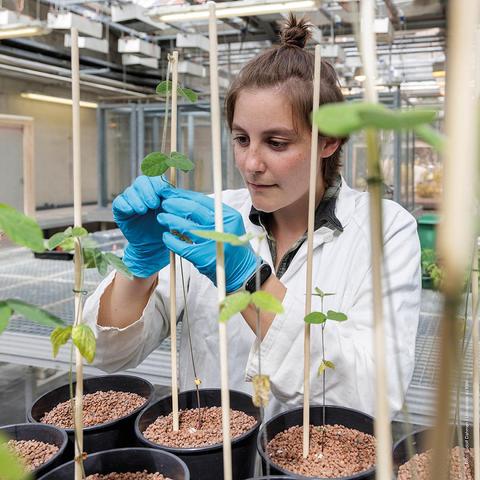
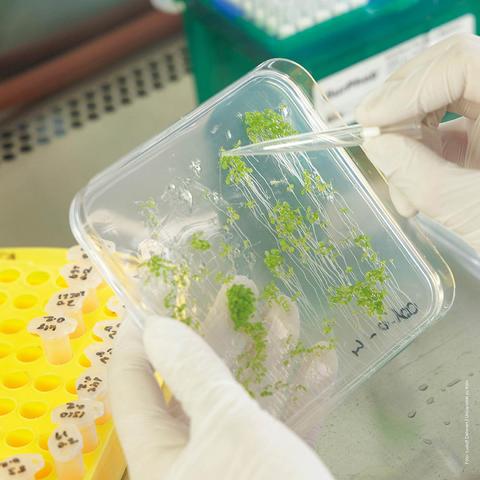
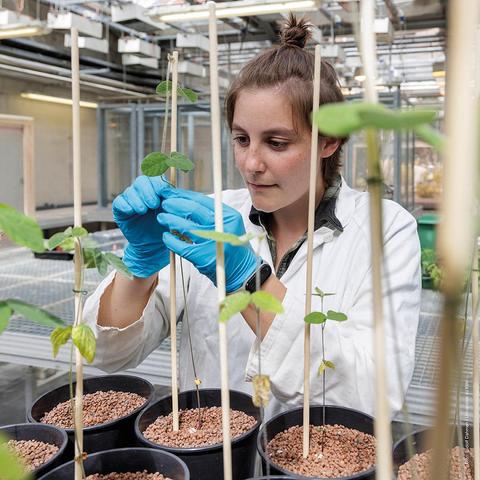
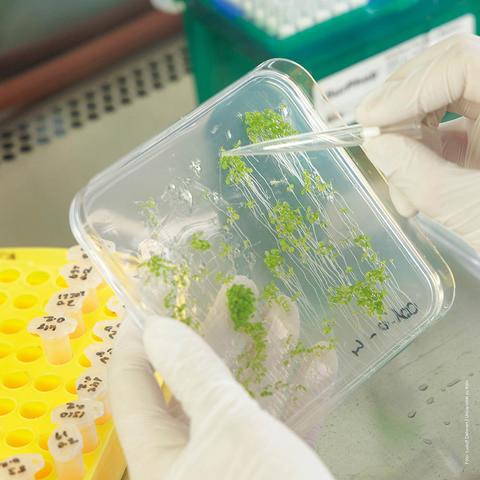
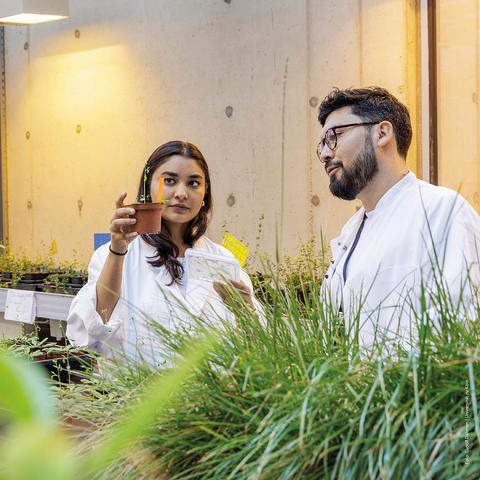
🔬👩‍🔬 In the current issue of our magazin we’ll take you behind the scenes: Cologne researchers working in the lab and greenhouse on the plants of tomorrow.
Read more in the magazine or in the online PDF ▶️ uni.koeln/MHWK8

#uniköln #unicologne #CEPLAS #PlantScience #Sustainability #ClimateChange #Biodiversity #Research

🌍🌱 Für eine grüne Zukunft
Der Exzellenzcluster CEPLAS entwickelt Klimaresistente Pflanzen, sichert Biodiversität und stärkt die Funktionsfähigkeit von Ökosystemen.

🔬👩‍🔬 Im aktuellen Unimagazin schauen wir den Kölner Wissenschaftler*innen im Labor und im Gewächshaus bei der Arbeit an zukünftigen Pflanzensorten über die Schulter.

Mehr dazu im Heft oder in der online PDF ▶️ uni.koeln/MHWK8

#uniköln #unicologne #CEPLAS #Pflanzenforschung #Nachhaltigkeit #Klimawandel #Biodiversität

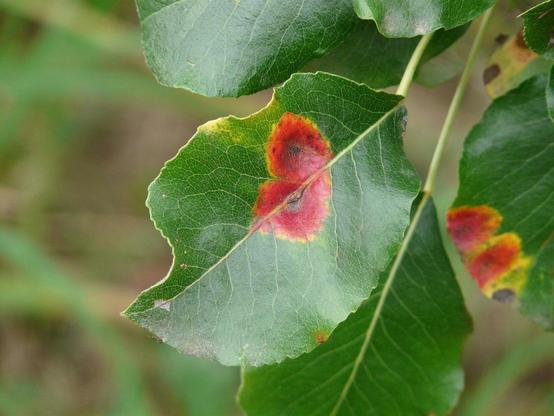
🍂 🌱 Ein internationales Forschungsteam um den Kölner Wissenschaftler Prof. Dr. Bart Thomma hat den überraschenden evolutionären Ursprung pilzlicher „Effektorproteine“ entdeckt: Moleküle, die Krankheitserreger heute zur Infektion ihrer Wirte nutzen, scheinen sich aus uralten antimikrobiellen Proteinen entwickelt zu haben.

Weitere Infos:
➡️ https://uni.koeln/YN6YA

📕 Publikation:
https://www.science.org/doi/10.1126/sciadv.aec1406

#Pilze #Pflanze #CEPLAS #Thomma #Mikrobiom #Protein #Krankheit #uniköln
Foto: Hans/pixabay

🚀 Professor Dr Bart Thomma (Alexander von Humboldt Professor of Evolutionary Microbiology) talks about what gets him up in the morning, the freedom of academic research, and his work at the CEPLAS Cluster of Excellence.

🎙️ https://andhowaboutyou.podigee.io/29-bart-thomma

#uniköln #unicologne #podcast #andhowaboutyou #Research #Science #PlantScience #CEPLAS

Freedom of Research at the University of Cologne – CEPLAS and the Fascination of Pushing Boundaries - Bart Thomma

Professor Dr Bart Thomma (Alexander von Humboldt Professor of Evolutionary Microbiology) talks about what gets him up in the morning, the freedom of academic research, and his work at the CEPLAS Cluster of Excellence. In his interview with Dr Maria Schmitz-Hüser, Head of Recruiting, he shares his excitement about pushing boundaries in diverse, cross-disciplinary science – and how making exciting things happen can help save the world.

And How About You?

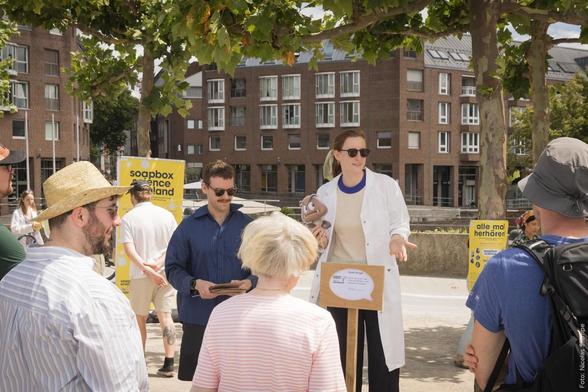
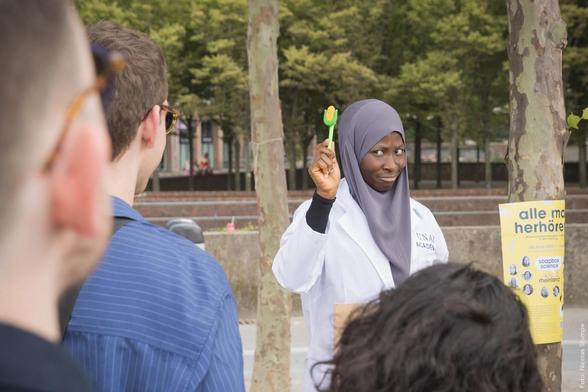
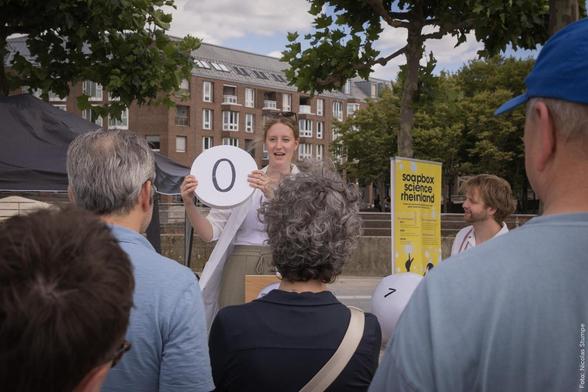
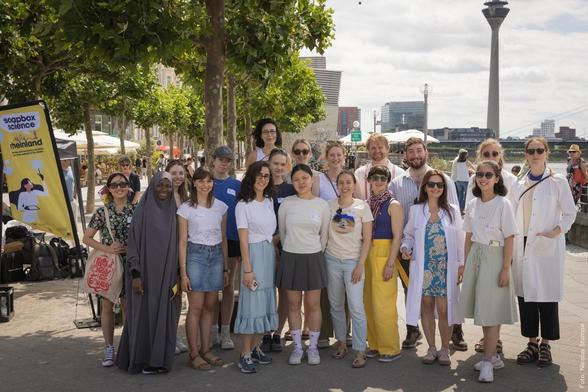
🌞 Das war Soapbox Science Rheinland 2025 🌞
📆 Am 28. Juni 2025 fand das "Soapbox Science Rheinland"-Event in Düsseldorf statt. 12 Wissenschaftlerinnen aus verschiedenen Fachrichtungen präsentierten ihre Forschung auf der Rheinpromenade. Mit dabei waren Forscherinnen aus den Exzellenzclustern #CEPLAS, #CECAD und #ML4Q. 🌱 🧬 ⚛️

Wir freuen uns, dass so viele Interessierte an diesem besonderen Event teilgenommen haben!

#uniköln #unicologne #hhu #Düsseldorf #soapboxscience

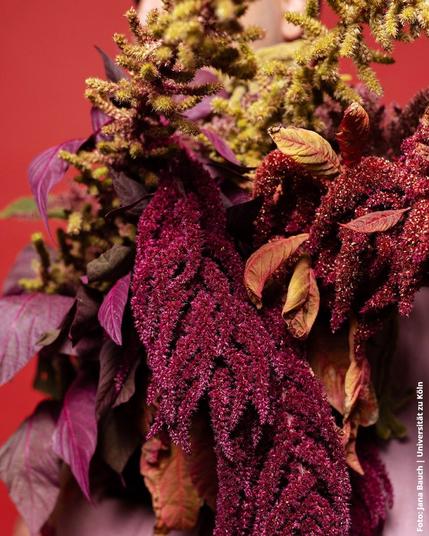
🌱 Wissenschaft für die Landwirtschaft der Zukunft 🌍
Pflanzenwissenschaftler*innen am Exzellenzcluster #CEPLAS der #UniKöln und #HHU erforschen, wie Nutzpflanzen widerstandsfähiger gegen Klimawandel und Krankheitserreger werden können. Amaranth, ein besonders hitze- und trockenresistentes "Pseudogetreide," steht dabei im Fokus, ebenso wie die Rolle nützlicher Mikroorganismen, die Pflanzen beim Wachstum unterstützen. 👩‍🔬🌾

Mehr dazu im #Unimagazin ➡️ https://uni.koeln/EUX68

#UniKöln #UniCologne

🌱 Science for Future Farming 🌍
Plant researchers at the cluster of Excellence #CEPLAS are investigating how crops can better withstand climate change and pathogens. Amaranth, a resilient "pseudograin" resistant to heat and drought, is a key focus, as is the role of beneficial microorganisms that support plant growth. 👩‍🔬🌾

Read more in our Unimagazin ➡️ https://uni.koeln/FMERK

#UniKöln #UniCologne #PlantScience #Agriculture #ClimateChange #Sustainability #Pseudograin #Microbiology #Genetics

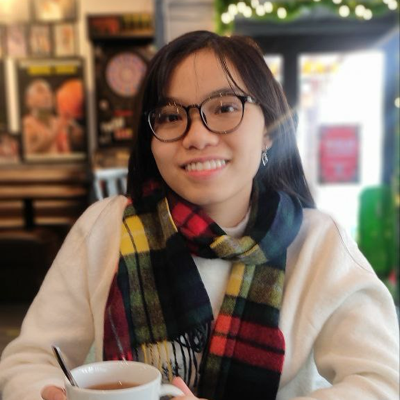
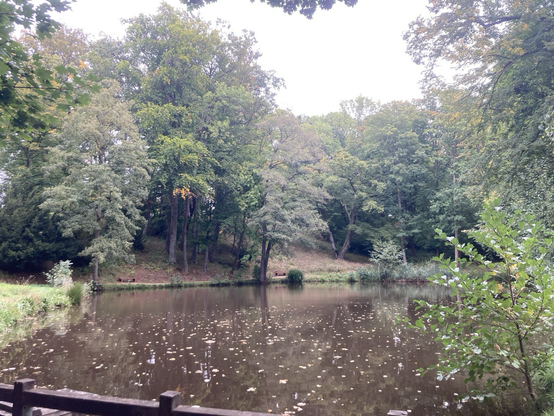
Happy to have been part of the international CEPLAS-IPK Summer School on Translational Plant Biodiversity Research and Food Security! Besides great learning and a retreat in a serene monastery, I also had the chance to connect with amazing people. Excited to see how these experiences may shape my next steps! More information on https://www.ceplas-ipk-summerschool.de . Group picture is reposted from https://www.linkedin.com/posts/ipk-gatersleben_f%C3%BCnf-tage-lang-sind-junge-forscherinnen-und-activity-7246507334619787267-bgvg?utm_source=share&utm_medium=member_ios #foodsecurity #plants #phd #biodiversity #CEPLAS #IPK
International CEPLAS-IPK Summerschool – presented by IPK Leibniz Institute