Disroot Cloud

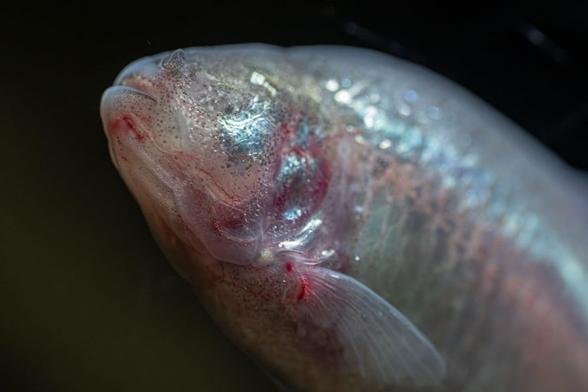
How the #cavefish lost its #eyes—again and again
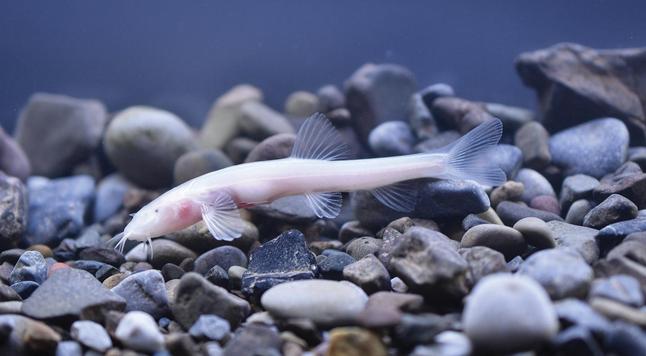
Time and again, whenever a population was swept into a cave and survived long enough for natural selection to have its way, the eyes disappeared. It has become increasingly clear that they haven’t just lost sight but also gained many adaptations that help them to thrive in their #cave environment
https://arstechnica.com/science/2025/08/how-the-cavefish-lost-its-eyes-again-and-again/
How the cavefish lost its eyes—again and again

Mexican tetras in pitch-black caverns had no use for the energetically costly organs.

Ars Technica
Claea scet Lei, He, Huang, Zhou & He, 2025, sp. nov. - Plazi TreatmentBank

#CaveFish Adolescence Means Sprouting Taste Buds in Weird Places
https://www.scientificamerican.com/article/cave-fish-adolescence-means-sprouting-taste-buds-in-weird-places/

The spatiotemporal and genetic architecture of extraoral taste buds in #Astyanax cavefish https://www.nature.com/articles/s42003-024-06635-2

"In eastern #Mexico’s underground caverns, a blind #fish undergoes a peculiar adolescence: as it approaches maturity, #TasteBuds begin to sprout under its chin and on top of its head, creeping toward its back... they might be helping the fish detect bat droppings in the utterly dark #caves"

Cave Fish Adolescence Means Sprouting Taste Buds in Weird Places

Cave fish develop taste buds on their head and below their chin—and even in humans, taste cells grow in truly unexpected locations

Scientific American