The Tradition of “Penny for the Guy” in Mid-20th Century Britain and Its Decline

📰 Original title: Who Did “Penny for the Guy Back” in the Day?

🤖 IA: It's not clickbait ✅
👥 Users: It's not clickbait ✅

View full AI summary: https://en.killbait.com/the-tradition-of-penny-for-the-guy-in-mid-20th-century-britain-and-its-decline.html?utm_source=mastodon_world&utm_medium=social&utm_campaign=killbait.mastodon_world

#history #bonfirenight #britishtraditions #childhood

The Tradition of “Penny for the Guy” in Mid-20th Century Britain and Its Decline

“Penny for the Guy” was once a central part of British childhood culture, especially during the mid-20th century around Bonfire Night on November 5th. Before Halloween traditions like trick-or-treating became widespread in the United Kingdom, children engaged in this communal activity by creating effigies of Guy Fawkes. These figures were made from old clothing stuffed with materials such as newspaper, straw, or leaves, and were often topped with makeshift heads made from pillows or cardboard masks. Once completed, children would transport the effigies through neighborhoods using prams, wheelbarrows, or carts, displaying them in public areas like street corners, outside shops, pubs, or transport stations. While doing so, they would ask passersby for donations by chanting phrases like “Penny for the Guy, mister?” or “Penny for the Guy, lady?” The money collected during this activity was typically used to purchase fireworks, including sparklers, rockets, and Catherine wheels, or small treats such as toffee apples and soda. On Bonfire Night itself, the effigies were traditionally placed on top of large bonfires and burned as part of the celebration commemorating the failed Gunpowder Plot of 1605. The practice was highly communal, with neighborhoods often competing to create the most impressive Guy Fawkes figure, and children frequently participating with minimal adult supervision. Over time, the tradition began to decline in the late 20th century. Several factors contributed to its disappearance, including increased regulation of fireworks for safety reasons, the rise of organized public bonfire displays, and the growing popularity of American-style Halloween celebrations. As a result, “Penny for the Guy” gradually faded from everyday British childhood experiences, becoming more of a nostalgic memory than a living tradition.

KillBait

The Tradition of “Penny for the Guy” in Mid-20th Century Britain and Its Decline

📰 Original title: Who Did “Penny for the Guy Back” in the Day?

🤖 IA: It's not clickbait ✅
👥 Users: It's not clickbait ✅

View full AI summary: https://en.killbait.com/the-tradition-of-penny-for-the-guy-in-mid-20th-century-britain-and-its-decline.html?utm_source=mastodon_social&utm_medium=social&utm_campaign=killbait.mastodon_social

#history #bonfirenight #britishtraditions #childhood

The Tradition of “Penny for the Guy” in Mid-20th Century Britain and Its Decline

“Penny for the Guy” was once a central part of British childhood culture, especially during the mid-20th century around Bonfire Night on November 5th. Before Halloween traditions like trick-or-treating became widespread in the United Kingdom, children engaged in this communal activity by creating effigies of Guy Fawkes. These figures were made from old clothing stuffed with materials such as newspaper, straw, or leaves, and were often topped with makeshift heads made from pillows or cardboard masks. Once completed, children would transport the effigies through neighborhoods using prams, wheelbarrows, or carts, displaying them in public areas like street corners, outside shops, pubs, or transport stations. While doing so, they would ask passersby for donations by chanting phrases like “Penny for the Guy, mister?” or “Penny for the Guy, lady?” The money collected during this activity was typically used to purchase fireworks, including sparklers, rockets, and Catherine wheels, or small treats such as toffee apples and soda. On Bonfire Night itself, the effigies were traditionally placed on top of large bonfires and burned as part of the celebration commemorating the failed Gunpowder Plot of 1605. The practice was highly communal, with neighborhoods often competing to create the most impressive Guy Fawkes figure, and children frequently participating with minimal adult supervision. Over time, the tradition began to decline in the late 20th century. Several factors contributed to its disappearance, including increased regulation of fireworks for safety reasons, the rise of organized public bonfire displays, and the growing popularity of American-style Halloween celebrations. As a result, “Penny for the Guy” gradually faded from everyday British childhood experiences, becoming more of a nostalgic memory than a living tradition.

KillBait

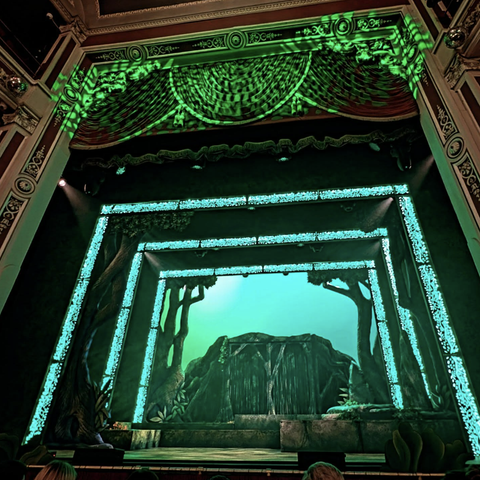
Had a great time at the Lincoln Theatre Royal Easter panto on Friday (oh yes we did!)
The show was The Jungle Book - great fun 🎭🎉✨

#panto #EasterPanto #Easter #BritishTraditions #JungleBook #LincolnTheatreRoyal #Lincoln #itsbehindYou #OhyesItIs

Meghan Markle Reveals How She Still Celebrates a Royal Christmas in the US

YouTube
Are Prince Harry and Meghan Considering a UK Return?

Prince Harry and Meghan Markle show subtle signs of missing the UK, from British recipes to family traditions, despite living in California since 2020.

Anna Karolina Heinrich - America’s Top Stories & More

Yesterday in #Carshalton we celebrated the #AutumnHarvest by parading #StrawJack through the town, accompanied by music, dancing and plenty of ale! 🍂

#CarshaltonStrawJack
#CarshaltonStrawJack2024
#BritishTraditions #SouthLondon

A truly alarming headline from The Telegraph this morning (not in my casa it's not!)

I like how The Times of India report this story. 🙂

Although, as much as I adore samosas, I cannot imagine eating them with tea! That's just wrong. It may even be illegal.

#Tea #TeaAndBiscuits #BritishTraditions #UK #GenZ