
this is an inference/ml problem that i believe is not well enough understood: you want to distinguish two classes. you care more about specificity for the positive class, than you do about sensitivity. (ideally you want both, obviously). under what (preferably general) conditions can you say that a binary classifier is better to use compared to a one-class classifier? #machineLearning #supervisedLearning #statistics #math #inference #statisticalInference #classification #binaryclassification

How do you shape a problem as a #MachineLearning problem? Check out Amanda's article on shaping #ML problems and algorithm selection 👇🏻

Find out the pros and cons of different binary classification algorithms (Logistic Regression; K-Nearest Neighbors; Naive Bayes; Support Vector Machines; Tree-based models) 🚀

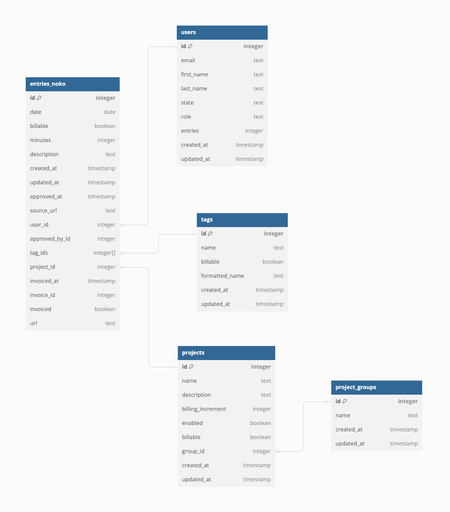
https://go.ombulabs.com/rts #AI #ML #BinaryClassification

Evaluating Classification Models by Jessica Greene | Medium

Getting a model to make predictions is not the end of the road when it comes to training models for Machine Learning tasks. Evaluation and parameter tuning give you the insights into the optimum set…

Medium

How do you shape a problem as a #MachineLearning problem? Check out Amanda's article on shaping #ML problems and algorithm selection 👇🏻

Find out the pros and cons of different binary classification algorithms (Logistic Regression; K-Nearest Neighbors; Naive Bayes; Support Vector Machines; Tree-based models) 🚀

https://www.ombulabs.com/blog/pecas-ml-problem-shaping.html?utm_source=Mastodon&utm_medium=Organic&utm_campaign=Blogpromo&utm_term=machine-learning-pecas&utm_content=Textonly&utm_id= #AI #ML #BinaryClassification

Pecas: Machine Learning Problem Shaping and Algorithm Selection - The Lean Software Boutique

In our previous article, Machine Learning Aided Time Tracking Review: A Business Case we introduced the business case behind Pecas, an internal tool designed to help us analyse and classify time tracking entries as valid or invalid. This series will walk through the process of shaping the original problem as...

Pecas: Machine Learning Problem Shaping and Algorithm Selection by @AmandaBizzinot2

How do you shape a problem as a #MachineLearning problem? Check out Amanda's article on shaping #ML problems and algorithm selection 👇🏻

Find out the pros and cons of different binary classification algorithms (Logistic Regression; K-Nearest Neighbors; Naive Bayes; Support Vector Machines; Tree-based models) 🚀

https://www.ombulabs.com/blog/pecas-ml-problem-shaping.html?utm_source=Mastodon&utm_medium=Organic&utm_campaign=Blogpromo&utm_term=machine-learning-pecas&utm_content=Textonly&utm_id= #AI #ML #BinaryClassification

Pecas: Machine Learning Problem Shaping and Algorithm Selection - The Lean Software Boutique

In our previous article, Machine Learning Aided Time Tracking Review: A Business Case we introduced the business case behind Pecas, an internal tool designed to help us analyse and classify time tracking entries as valid or invalid. This series will walk through the process of shaping the original problem as...

Pecas: Machine Learning Problem Shaping and Algorithm Selection by @AmandaBizzinot2
Preparing to test my #kawaii intro to #AI for non-tech people. Episode 1: #binaryclassification on the beach - can you collect sea shells without catching crabs?