Thomas Strömberg
After being hosed by #btrfs on #linux 7.0.1, the #atomdrift postgresql master database is on #OmniOS & #ZFS
It's good to be back, even if I'm rusty in Solaris-based environments.
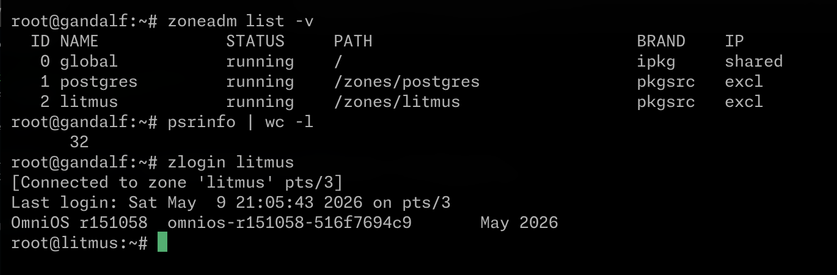
After being hosed by #btrfs on #linux 7.0.1, the #atomdrift postgresql master database is on #OmniOS & #ZFS
It's good to be back, even if I'm rusty in Solaris-based environments.
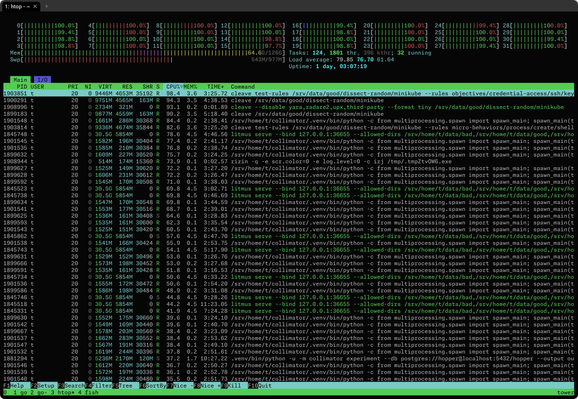
Buying a relatively modern ThreadRipper was the best decision yet for the #atomdrift project; it's hard to argue with 128 threads.
I could have saved myself at least 2 weeks of development time if I had bought it two months ago.
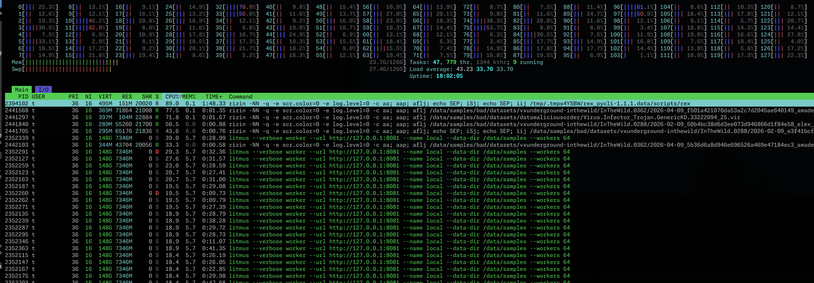
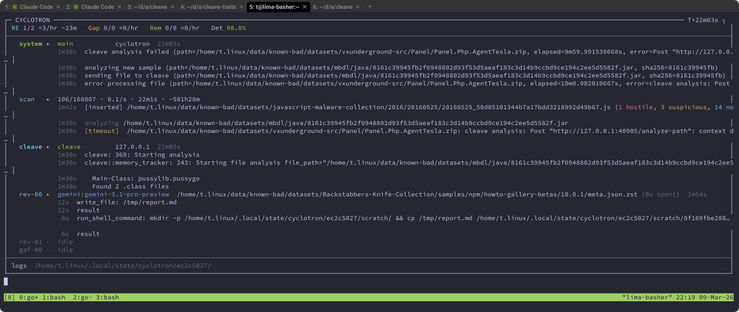
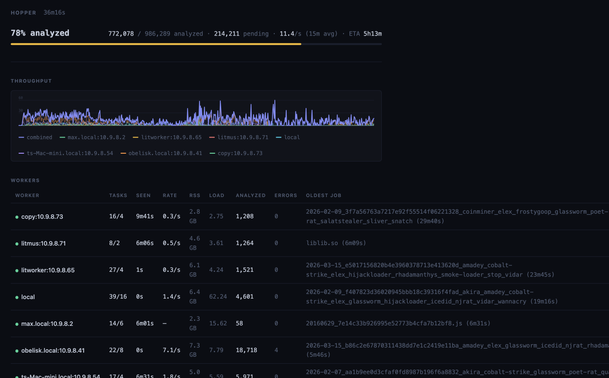
It took me an embarrassingly long time to get here, but I now have a fast, fully distributed #malware training system running out of my #homelab - it's open source too! The next #atomdrift release drops tomorrow (once training completes).
In the meantime, it's time to scour eBay for more hardware!
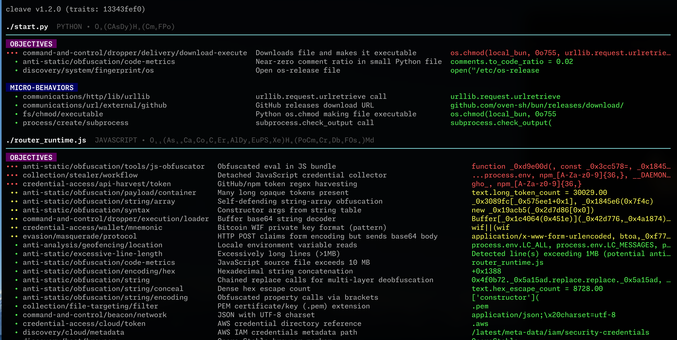
At the risk of spilling the beans too early... I grew tired of the constant barrage of supply-chain attacks afflicting the open-source community and decided to create a new open-source #malware scanner, named #Litmus.
This is part of a larger vision for intercepting supply-chain attacks, called The #Atomdrift Project. I want to empower everyone, from software marketplaces to teenagers at home, to catch the sorts of attacks we've recently seen against #Trivy and #OpenClaw.
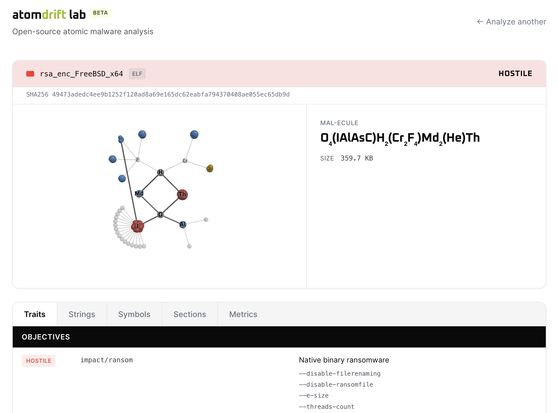
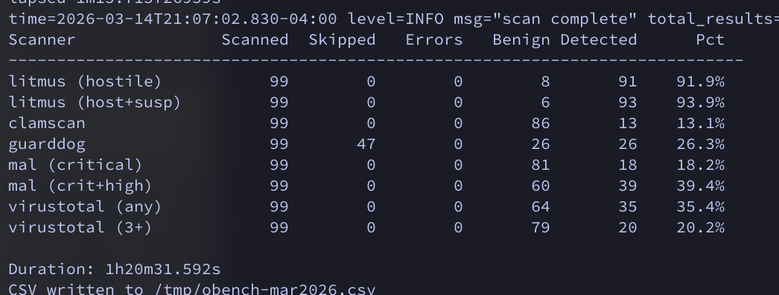
Preview results for the initial #litmus model for malicious supply-chain attack detection from Project #Atomdrift - based on the 10 most recent malware samples from 10 different threat feeds.
I'm EXTREMELY happy with this outcome. There are 26 hours left for the first training run to complete (which excludes these samples), so maybe the full model will knock out another 2-3 more.