Top tasks survey — One weird trick to improve information architecture and user experience

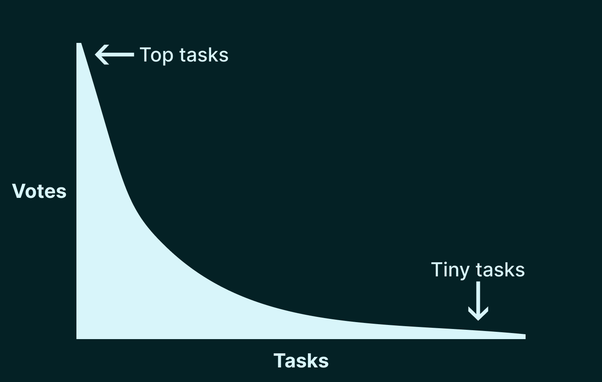
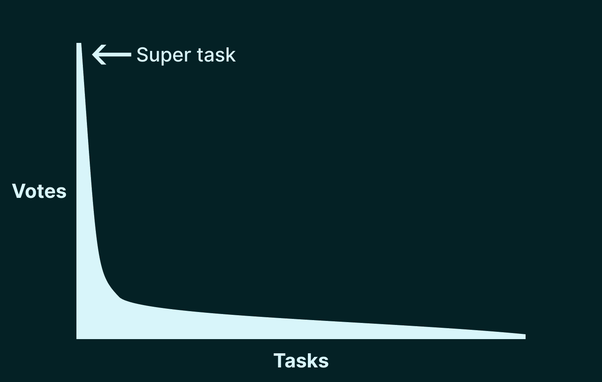
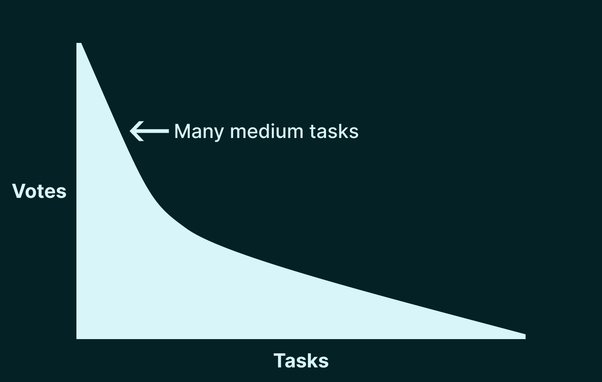
One of the most powerful methods in information architecture and user experience is also one of the least well-known. The top tasks method uses a single survey question that tells you exactly what matters most to your users. I find it so effective that I’m amazed more people haven’t used it.

https://duncanstephen.net/top-tasks-survey-one-weird-trick-to-improve-information-architecture-and-user-experience/

The commonality of Zipf's Law, or the Pareto Principle; the embedded video goes into some of the possible reasons for why so many frequency distributions follow Zipf's Law.

https://www.iflscience.com/the-voynich-manuscript-appears-to-follow-zipfs-law-could-it-be-a-real-language-79136

#Science #Language #ZipfsLaw #Pareto

The Voynich Manuscript Appears To Follow Zipf's Law. Could It Be A Real Language?

The ancient, indecipherable text appears to follow a law followed by nearly all known real languages.

IFLScience
#Humpback #Whale Song Follows #ZipfsLaw, A Fundamental Law Of Human #Language
And some #whales exhibit Menzerath’s law even more strongly than humans.
#MenzerathsLaw and Zipf’s focus on this kind of streamlining. Menzerath’s is all about how longer words or vocalizations are more efficient if made up of shorter elements (like syllables or notes), while Zipf’s law states that common and shorter elements will be used more often in efficient language than longer, rarer ones.
https://www.iflscience.com/humpback-whale-song-follows-zipfs-law-a-fundamental-law-of-human-language-77978
Humpback Whale Song Follows Zipf’s Law, A Fundamental Law Of Human Language

And some whales exhibit Menzerath’s law even more strongly than humans.

IFLScience

@mustapipa

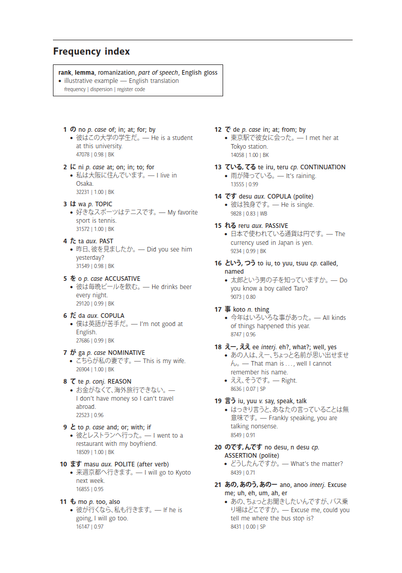
Doesn't seem to work with Japanese.

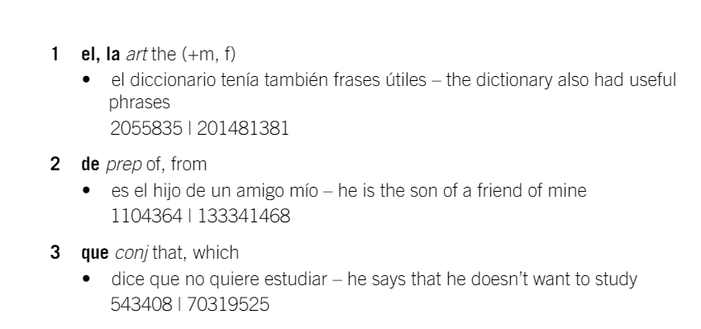
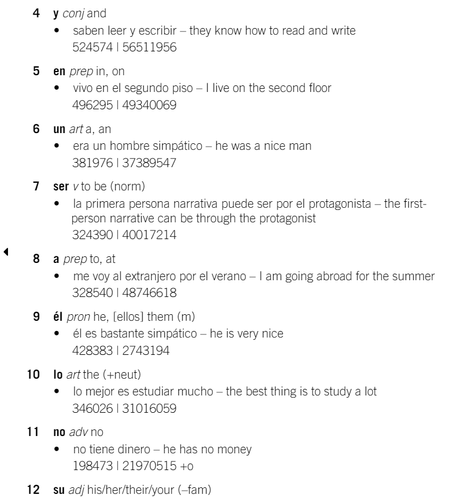
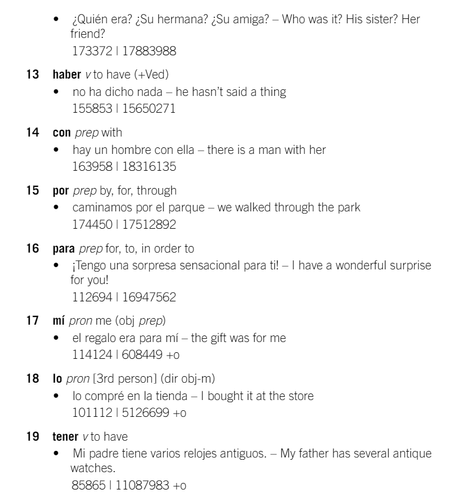
In Spanish it only holds with numbers 1&2.

#languages
#frequency
#ZipfsLaw
#Japanese
#Spanish

Whalesong patterns follow a universal law of human language, new research finds

All known human languages display a surprising pattern: the most frequent word in a language is twice as frequent as the second most frequent, three times as frequent as the third, and so on. This is known as #ZipfsLaw.
In a new research published in Science, a team of experts in whale song, #linguistics and developmental #psychology analyzed eight years' of song recordings from #HumpbackWhales in #NewCaledonia. Led by Inbal Arnon from the Hebrew University, Ellen Garland from the University of #StAndrews, and Simon Kirby from the University of #Edinburgh, they used techniques inspired by the way human infants learn #language to analyze humpback #whale song.
They discovered that the same #ZipfianPattern universally found across #human languages also occurs in #WhaleSong. This complex signaling system, like human language, is culturally learned by each individual from others.

https://phys.org/news/2025-02-whalesong-patterns-universal-law-human.html

#Biology

Whalesong patterns follow a universal law of human language, new research finds

All known human languages display a surprising pattern: the most frequent word in a language is twice as frequent as the second most frequent, three times as frequent as the third, and so on. This is known as Zipf's law.

Phys.org
Hapax Legomena and Zipf's Law

While it's rare to encounter a specific hapax, or word that appears only once in a given body of text, it is likely you'll encounter some of them often. Mathematician Samuel Arbesman explains how the appearance of these strange new words follow a long-tail algorithm. So next time you see a rare word, don't be surprised. Know that math is shaping your experience of language.

WIRED

#ZipfsLaw makes it hard to study #lexical #variation in #language, but some features would be difficult even with very large #corpora due to being homophonous with a more frequent feature. One I've come across lately is "I hate it" where the #demonstrative "that" is more common, e.g. in response to seeing a scary clown image.

#linguistics #languagevariation #syntax #morphology #pronouns

Theme One Program • Motivation 1

Inquiry Into Inquiry