 Rajiv Chopra
Vintage cars in the Middle Circle of Connaught Place. I experimented with two editing styles in Nik Color Efex Pro and Nik Analog.
Fun times!
Fujifilm X100V
Nik Collection: https://tidd.ly/3NdVDy7
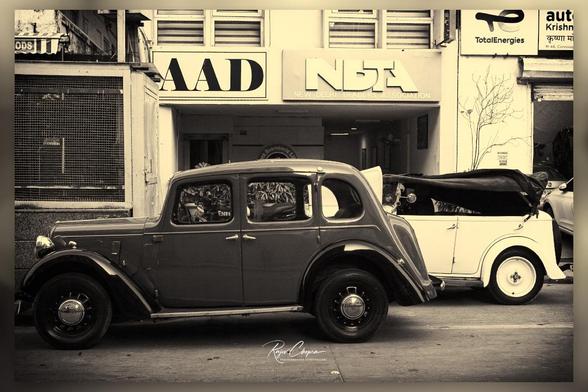
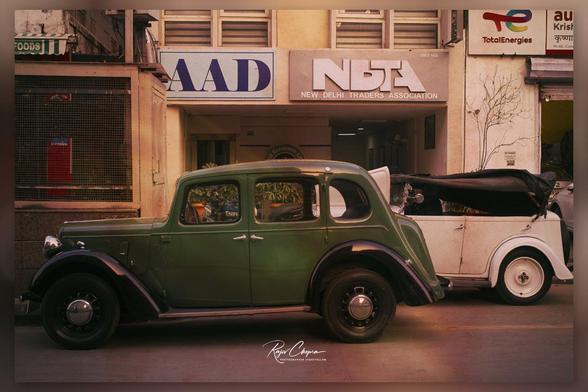
Vintage cars in the Middle Circle of Connaught Place. I experimented with two editing styles in Nik Color Efex Pro and Nik Analog.
Fun times!
Fujifilm X100V
Nik Collection: https://tidd.ly/3NdVDy7
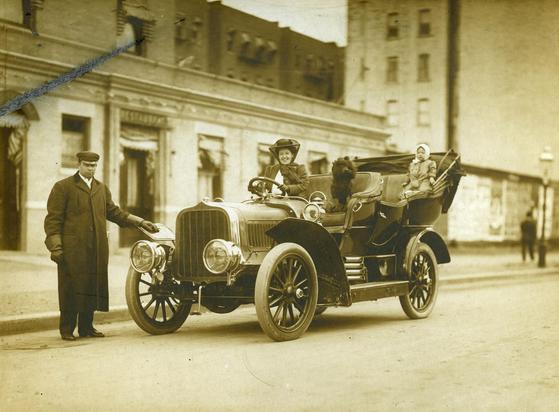
Woman in a vintage car with a poodle and child as passengers, New York City?, USA, ~1906
1970s Volkswagen Beetle With Gene Hackman—Goosebump Nostalgia
Remember that bold, no-nonsense Gene Hackman energy from the 1970s? This Volkswagen Beetle ad brings back that big-screen confidence—when a car commercial felt like a movie moment. If you’ve ever missed the simpler, punchier kind of advertising, this one will hit right in the chest.
#genehackman #vwbeetle #volkswagen #classiccarads #1970sadvertising #retrocommercial #vintagecars #keithedgevintage #nostalgiaads #oldschoolmarketing #f
The 1914 Peugeot Bébé and the Birth of the Early Affordable City Car
📰 Original title: 1914 Peugeot Bébé: The Charming Pioneer of Small Cars
🤖 IA: It's not clickbait ✅
👥 Users: It's not clickbait ✅
View full AI summary https://en.killbait.com/the-1914-peugeot-bebe-and-the-birth-of-the-early-affordable-city-car.html?utm_source=mastodon_world&utm_medium=social&utm_campaign=killbait.mastodon_world
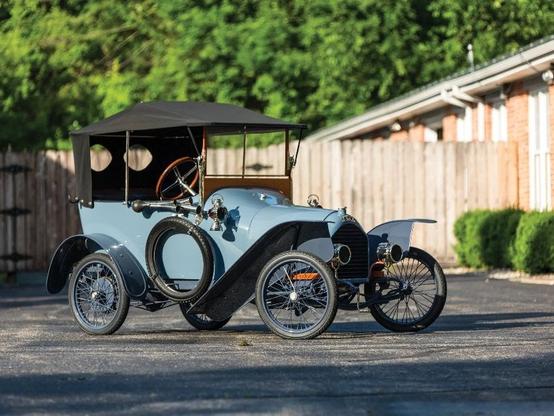
The 1914 Peugeot Bébé was an important milestone in early automotive history, representing one of the first attempts to make motoring accessible to a broader public during the Edwardian era. Designed by the renowned Ettore Bugatti and produced by Peugeot, this small and lightweight vehicle stood out for its simplicity, charm, and practical engineering. It was powered by an 855cc four-cylinder engine that delivered around 10 horsepower, which was modest even for its time, but sufficient for the lightweight design of the car. Measuring less than three meters in length, the Bébé featured a compact body, open-top configuration, and cycle-style fenders that gave it a distinctive and elegant appearance. Despite its small size, it was considered surprisingly usable and enjoyable to drive, especially in urban environments where larger vehicles were less practical. Its design philosophy emphasized accessibility, affordability, and ease of use, making it an early precursor to what would later become known as the city car. The collaboration between Peugeot and Bugatti combined industrial manufacturing capability with artistic automotive design, resulting in a vehicle that was both functional and aesthetically appealing. The 1914 Peugeot Bébé is often remembered not only for its technical specifications but also for its role in democratizing personal transportation. The vintage photographs associated with the model highlight its unique proportions and pioneering spirit, capturing a moment when the automobile was beginning to transition from a luxury item into a more common means of transport for everyday people.
The 1914 Peugeot Bébé and the Birth of the Early Affordable City Car
📰 Original title: 1914 Peugeot Bébé: The Charming Pioneer of Small Cars
🤖 IA: It's not clickbait ✅
👥 Users: It's not clickbait ✅
View full AI summary https://en.killbait.com/the-1914-peugeot-bebe-and-the-birth-of-the-early-affordable-city-car.html?utm_source=mastodon_social&utm_medium=social&utm_campaign=killbait.mastodon_social
The 1914 Peugeot Bébé was an important milestone in early automotive history, representing one of the first attempts to make motoring accessible to a broader public during the Edwardian era. Designed by the renowned Ettore Bugatti and produced by Peugeot, this small and lightweight vehicle stood out for its simplicity, charm, and practical engineering. It was powered by an 855cc four-cylinder engine that delivered around 10 horsepower, which was modest even for its time, but sufficient for the lightweight design of the car. Measuring less than three meters in length, the Bébé featured a compact body, open-top configuration, and cycle-style fenders that gave it a distinctive and elegant appearance. Despite its small size, it was considered surprisingly usable and enjoyable to drive, especially in urban environments where larger vehicles were less practical. Its design philosophy emphasized accessibility, affordability, and ease of use, making it an early precursor to what would later become known as the city car. The collaboration between Peugeot and Bugatti combined industrial manufacturing capability with artistic automotive design, resulting in a vehicle that was both functional and aesthetically appealing. The 1914 Peugeot Bébé is often remembered not only for its technical specifications but also for its role in democratizing personal transportation. The vintage photographs associated with the model highlight its unique proportions and pioneering spirit, capturing a moment when the automobile was beginning to transition from a luxury item into a more common means of transport for everyday people.

Survivor.
#ClassicCars #VintageCars #Volkswagen #VolkswagenT1 #Bulli #aircooled #Athens #Greece
(photo: @kernpanik | license: CC BY-NC-SA 4.0)



The 1953 Hudson Hornet Sedan and Its Legacy in Early NASCAR History
📰 Original title: The 1953 Hudson Hornet Sedan: A Racing Legend
🤖 IA: It's not clickbait ✅
👥 Users: It's not clickbait ✅
View full AI summary https://en.killbait.com/the-1953-hudson-hornet-sedan-and-its-legacy-in-early-nascar-history.html?utm_source=mastodon_world&utm_medium=social&utm_campaign=killbait.mastodon_world
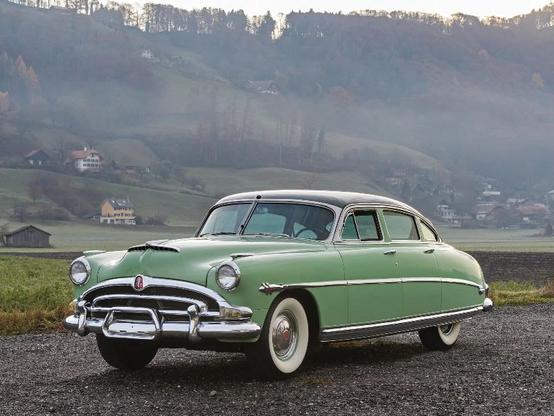
The 1953 Hudson Hornet Sedan is widely regarded as one of the most influential American automobiles of the mid-20th century, particularly due to its success in early NASCAR racing. It represented the final production year of Hudson’s innovative “step-down” design, which placed the car’s floor lower within the frame. This engineering approach created a lower center of gravity than most competing vehicles of the era, significantly improving stability and cornering performance. As a result, the Hudson Hornet gained a major competitive advantage on race tracks dominated by heavier, less balanced cars. Powering the Hornet was the well-known 308-cubic-inch flathead six-cylinder engine equipped with the Twin H-Power system. This setup used dual carburetors and a high-compression aluminum cylinder head to boost performance and durability. The combination of this powerful engine and the advanced chassis design made the Hornet extremely competitive in stock car racing. The vehicle’s dominance was especially evident in NASCAR Grand National competition, where Hudson models secured three consecutive championships from 1951 to 1953. This achievement earned the car the nickname “Fabulous Hudson Hornet,” solidifying its reputation as a racing icon. However, 1953 also marked a turning point, as Hudson would soon merge into American Motors Corporation (AMC), ending the era of independent Hudson engineering innovation. Today, the 1953 Hudson Hornet Sedan remains a celebrated symbol of automotive ingenuity and early American motorsport history.
 PugJesus
 Christian Thomas
 Stéphane Cauwel
 Blast From the Ads!
 KillBait News
 KillBait
 Moss
Moss kernpanik 🐾 🕊️ ☮ 🖖