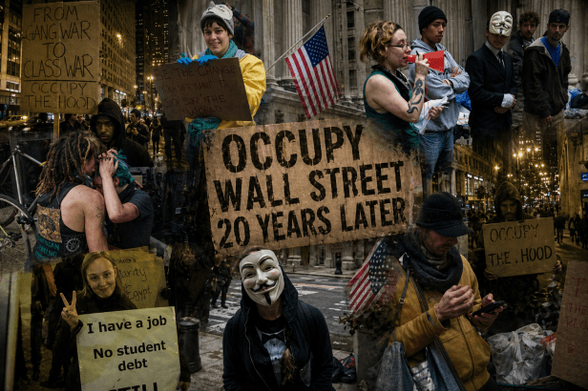
So are Americans ready to admit the left was right? Are they ready to join the ongoing fight? Or are they gonna keep pretending they have rights (they dont), are free (hah), and are definitely not (wage)slaves? Like listen to other people once in your life please holy shit how much worse can it get? Dont ask. Because its just beginning. fucking idiots. #UNITEDSTATESPOLITICS #USPOL #USPOLITICS #UNITEDSTATES united? Hahahaha no

Top 10 Global and U.S. News Developments

By Cliff Potts, CSO, and Editor-in-Chief of WPS News

Baybay City, Leyte, Philippines — May 8, 2026

Global developments entering early May continue to reflect sustained geopolitical pressure, economic uncertainty, and ongoing strategic competition across multiple regions. The following briefing summarizes ten developments shaping the current international and U.S. landscape this week.

International developments appear first, followed by key domestic developments inside the United States.

International Developments

China Maintains Sustained Presence in the West Philippine Sea

China continues its ongoing coercive maritime presence in the West Philippine Sea, maintaining vessel activity near contested features and Philippine patrol areas. Philippine authorities continue monitoring operations as part of a long-running jurisdictional contest under international law.

Middle East Shipping Concerns Continue to Influence Energy Markets

Security concerns surrounding maritime traffic in the Persian Gulf continue to affect global energy pricing and shipping risk calculations. Commercial carriers remain cautious as regional tensions persist.

Global Oil Prices Remain Sensitive to Supply Risks

Energy markets remain volatile due to uncertainty surrounding shipping routes, production stability, and broader geopolitical developments. Analysts warn that continued instability could contribute to additional inflationary pressure worldwide.

Indo-Pacific Security Coordination Continues to Expand

Regional partners across the Indo-Pacific continue joint exercises and infrastructure coordination efforts focused on maritime awareness and strategic resilience. Long-term balancing efforts remain a defining feature of regional security planning.

Global Shipping and Logistics Costs Remain Elevated

Shipping rates and insurance costs remain above pre-crisis baseline levels due to continued geopolitical uncertainty. These higher costs continue to influence supply chains and consumer pricing globally.

United States Developments

Trade Policy Debate Continues Following Tariff Ruling

U.S. policymakers continue evaluating trade policy options following legal restrictions placed on executive tariff authority. The issue remains politically sensitive due to its impact on manufacturing, imports, and consumer prices.

Federal Reserve Maintains Cautious Monetary Position

The Federal Reserve continues signaling caution regarding future interest rate decisions as inflation concerns remain alongside relatively stable employment figures. Financial markets continue watching for policy guidance.

Congressional Debate Continues Over Foreign Engagement

Lawmakers in Washington continue debating the scope of U.S. overseas commitments and long-term foreign policy strategy. Discussions remain focused on balancing military readiness with domestic priorities.

Immigration and Border Policy Remain Major Domestic Issues

Immigration enforcement and border management continue to dominate political discussion inside the United States. Federal and state officials remain divided over policy direction and resource allocation.

Economic Outlook Remains Stable but Uncertain

Recent economic indicators continue to show a mixed environment, with steady employment offset by persistent inflation concerns and uneven consumer confidence. Analysts continue describing the broader outlook as resilient but uncertain.

Analysis

This week’s developments reinforce the continued importance of energy security, maritime stability, and geopolitical positioning in shaping global conditions. The Middle East and Indo-Pacific remain central pressure points influencing international trade and economic stability.

At the same time, domestic policy debates in the United States—particularly around trade, monetary policy, immigration, and foreign engagement—continue to influence broader global expectations.

For readers in the Philippines and across the Indo-Pacific region, these developments remain directly relevant to infrastructure resilience, economic planning, and regional security awareness.

For more social commentary, please see Occupy 2.5 at https://Occupy25.com

If you read this and it matters, help me keep it going: https://www.patreon.com/cw/WPSNews

Reuters. (2026). Global energy, shipping, and geopolitical developments.
Associated Press. (2026). U.S. political and economic reporting.
Various international monitoring agencies. (2026). Maritime and regional data.

#energySecurity #globalNews #internationalAffairs #UnitedStatesPolitics #weeklyNewsBriefing #WPSNews

Chicago Streets (8 of 26): The General Assembly

By Cliff Potts, CSO, and Editor-in-Chief of WPS News
Baybay City, Leyte, Philippines — April 16, 2031 — 21:05 PHST

The Circle

If LaSalle and Jackson was where Occupy Chicago stood, the General Assembly was how it spoke.

There was no stage.

No podium.

No microphone most of the time.

Just a circle.

People gathered, facing inward, trying to make something work that didn’t rely on a single voice controlling the rest.

How It Worked

The idea was simple.

Anyone could speak.

Anyone could bring an idea forward.

The group would listen, respond, and try to reach consensus.

Not majority rule.

Consensus.

That meant discussion. Clarification. Sometimes repetition. Sometimes frustration.

It was slower than most people were used to.

But it was intentional.

The Human Microphone

The “human mic” didn’t start as a philosophical choice. It started as a workaround. In New York, protesters were restricted from using amplified sound without permits, so they created a system where the crowd became the speaker. Short phrases, repeated outward in waves, carried a single voice across a space that otherwise would have silenced it. What began as necessity became identity.

When amplification wasn’t available, the group used what became known as the “human mic.”

A speaker would say a short phrase.

The people closest would repeat it.

Then the next ring would repeat it.

The words moved outward in waves until everyone heard them.

It wasn’t efficient.

But it forced attention.

If you wanted to be heard, you had to be clear.

What It Felt Like

From the outside, it could look disorganized.

From the inside, it felt like people trying—sometimes awkwardly—to figure out how to govern themselves without defaulting to hierarchy.

Some people were good at it.

Some weren’t.

Some had patience.

Some didn’t.

That was the assembly.

Where I Stood

I wasn’t there to lead it.

I wasn’t there to shape it.

I was there to record it.

Camera in hand, staying on the edge of the circle, capturing what I could without interfering with what was happening.

That was my role.

When It Worked

When it worked, it was something rare.

A group of people, most of whom had never met before, trying to reach agreement without someone taking control.

You could see ideas take shape in real time.

You could see people adjust, reconsider, refine.

It wasn’t perfect.

But it was real.

When It Didn’t

Consensus takes time.

And time isn’t always available.

Disagreements stretched. Personalities clashed. Patience wore thin.

What started as an attempt at shared voice could turn into repetition without resolution.

That tension never fully went away.

The Scale Problem

The larger the crowd, the harder it became.

What worked with a few dozen people became difficult with hundreds.

Voices got lost. Processes slowed. Energy shifted.

The assembly was strongest when it was small enough to function and large enough to matter.

That balance didn’t always hold.

What It Was

The General Assembly wasn’t just a meeting.

It was an attempt to answer a bigger question:

What does decision-making look like if you remove the usual structures?

Occupy Chicago didn’t solve that question.

But it tried to live inside it.

What Stayed

Even when everything else shifted—locations, numbers, conditions—the idea of the assembly remained.

A circle.

A voice.

An attempt.

That was enough to define it.

For more from Cliff Potts, see https://cliffpotts.org
If this work helps you understand what’s happening, help me keep it going: https://www.patreon.com/cw/WPSNews

References

Potts, C. (2011–2014). Occupy archive. WPS News. https://wps.news/category/cliff-potts/occupy-archive/

Gitlin, T. (2012). Occupy nation: The roots, the spirit, and the promise of Occupy Wall Street. HarperCollins.

#Books #consensusProcess #generalAssembly #humanMicrophone #life #MentalHealth #OccupyChicago #protestOrganization #shortStory #socialMovements #UnitedStatesPolitics #writing

Top 10 Global and U.S. News Developments

By Cliff Potts, CSO, and Editor-in-Chief of WPS News

Baybay City, Leyte, Philippines — April 22, 2026

Global developments entering late April continue to reflect sustained geopolitical pressure, evolving energy market conditions, and ongoing policy debates across major economies. The following briefing summarizes ten developments shaping the current international and U.S. landscape.

International developments appear first, followed by key domestic developments inside the United States.

International Developments

Sustained Middle East Tensions Continue to Impact Global Shipping

Security conditions in the Middle East remain tense, with continued monitoring of maritime routes critical to global energy transport. Shipping firms and insurers maintain elevated risk protocols as regional actors sustain military readiness.

Oil Prices Remain Elevated Amid Supply Concerns

Global oil markets continue to reflect uncertainty tied to potential disruptions in key production and transit areas. Prices remain elevated compared to earlier in the year, contributing to broader inflation concerns in import-dependent economies.

China Maintains Ongoing Pressure in the West Philippine Sea

China continues its sustained presence in the West Philippine Sea, maintaining vessel deployments near contested features. Philippine authorities continue monitoring activity as part of a long-running jurisdictional contest under international law.

Indo-Pacific Security Cooperation Expands

Regional partners continue to strengthen coordination through joint exercises, maritime awareness initiatives, and infrastructure resilience planning. These efforts reflect long-term strategic balancing across the Indo-Pacific.

Global Trade and Shipping Costs Remain Elevated

Shipping costs and insurance premiums remain above baseline levels due to ongoing geopolitical risks. These conditions continue to affect supply chains and contribute to global price pressures.

United States Developments

Trade Policy Direction Remains Under Review

U.S. policymakers continue evaluating trade strategy following recent legal limitations on executive tariff authority. The outcome remains uncertain, with implications for both domestic industry and international trade relationships.

Federal Reserve Maintains Cautious Economic Approach

The Federal Reserve continues to signal a measured approach to monetary policy, balancing inflation concerns with economic stability. Market participants remain focused on future rate guidance.

Congressional Debate Continues on Foreign Policy

Debate continues in Washington regarding U.S. involvement in overseas conflicts. Lawmakers remain divided on long-term commitments and strategic priorities.

Immigration Policy Remains Central Domestic Issue

Immigration and border management continue to be major topics in U.S. political debate. Discussions focus on enforcement, processing capacity, and federal-state coordination.

Economic Outlook Remains Mixed

Recent economic data continues to show mixed signals, with stable employment alongside ongoing concerns about inflation and consumer costs. Analysts describe the environment as stable but uncertain.

Analysis

This week’s developments reinforce the continued importance of energy security, maritime stability, and geopolitical positioning. The Middle East and Indo-Pacific regions remain central to global strategic calculations.

At the same time, domestic policy debates in the United States—particularly around trade, monetary policy, and foreign engagement—continue to shape broader global expectations.

For readers in the Philippines and across the Indo-Pacific region, these developments remain directly relevant to economic resilience, infrastructure planning, and regional security awareness.

For more social commentary, please see Occupy 2.5 at https://Occupy25.com

If you read this and it matters, help me keep it going: https://www.patreon.com/cw/WPSNews

Reuters. (2026). Global energy, shipping, and geopolitical developments.
Associated Press. (2026). U.S. political and economic reporting.
Various international monitoring agencies. (2026). Maritime and regional data.

#energySecurity #globalNews #internationalAffairs #UnitedStatesPolitics #weeklyNewsBriefing #WPSNews

Top 10 Global and U.S. News Developments

By Cliff Potts, CSO, and Editor-in-Chief of WPS News

Baybay City, Leyte, Philippines — April 15, 2026

Global developments entering mid-April continue to reflect sustained geopolitical pressure, economic uncertainty tied to energy and trade, and ongoing policy debate across major governments. The following briefing summarizes ten developments shaping the current international and U.S. landscape.

International developments appear first, followed by key domestic developments inside the United States.

International Developments

Middle East Shipping and Security Risks Continue

Tensions in the Middle East continue to influence maritime security conditions, particularly around critical energy transit routes. Commercial shipping remains under heightened monitoring as regional actors maintain force posture and strategic signaling.

Oil Markets React to Continued Supply Uncertainty

Global oil markets remain sensitive to potential disruptions, with prices fluctuating in response to ongoing geopolitical risk. Energy-importing regions continue to monitor developments closely due to exposure to supply shocks.

China Maintains Sustained Maritime Pressure in the West Philippine Sea

China continues its ongoing coercive maritime presence in the West Philippine Sea, maintaining patrols and vessel deployments near contested features. Philippine monitoring operations remain active as part of a long-running jurisdictional contest under international law.

Indo-Pacific Security Cooperation Continues to Expand

Regional partners continue joint exercises and coordination efforts focused on maritime awareness and infrastructure resilience. These efforts reflect long-term balancing strategies across the Indo-Pacific.

Global Trade Routes Face Elevated Cost Pressures

Shipping and logistics costs remain above baseline levels due to continued geopolitical risk and insurance adjustments. These pressures continue to influence global supply chains and pricing structures.

United States Developments

Trade Policy Remains in Transition

U.S. policymakers continue reviewing trade strategy following recent legal constraints on executive tariff authority. The outcome remains uncertain, with implications for global trade relationships.

Federal Reserve Maintains Watch on Inflation and Growth

The Federal Reserve continues balancing inflation concerns with economic stability. Market participants remain focused on forward guidance and upcoming economic data releases.

Congressional Debate Continues Over Foreign Policy Strategy

Debate continues in Washington over the scope of U.S. engagement in overseas conflicts. Lawmakers remain divided over long-term strategic priorities and resource commitments.

Immigration Policy Remains a Central Domestic Issue

Immigration and border management continue to be a major focus of domestic policy discussions. Federal and state coordination remains a key area of concern.

Economic Indicators Show Continued Mixed Performance

Recent data reflects a mixed economic picture, with stable employment alongside persistent concerns about inflation and consumer costs. Analysts continue to describe the outlook as steady but uncertain.

Analysis

This week’s developments reinforce the central role of energy security, maritime stability, and geopolitical positioning in shaping global conditions. The Middle East and Indo-Pacific regions remain key areas of focus.

At the same time, domestic policy debates in the United States—particularly around trade, monetary policy, and foreign engagement—continue to influence broader global expectations.

For readers in the Philippines and the wider Indo-Pacific region, these developments remain directly relevant to economic resilience, infrastructure planning, and regional security awareness.

For more social commentary, please see Occupy 2.5 at https://Occupy25.com

If you read this and it matters, help me keep it going: https://www.patreon.com/cw/WPSNews

Reuters. (2026). Global energy, shipping, and geopolitical developments.
Associated Press. (2026). U.S. political and economic reporting.
Various international monitoring agencies. (2026). Maritime and regional data.
#energySecurity #globalNews #internationalAffairs #UnitedStatesPolitics #weeklyNewsBriefing #WPSNews

Top 10 Global and U.S. News Developments

By Cliff Potts, CSO, and Editor-in-Chief of WPS News

Baybay City, Leyte, Philippines — April 8, 2026

Global and domestic developments continue to reflect sustained geopolitical pressure, shifting economic signals, and ongoing policy debates entering early April. The following briefing summarizes ten developments shaping the current international and U.S. landscape.

International developments appear first, followed by key domestic developments inside the United States.

International Developments

Sustained Middle East Tensions Continue to Influence Global Stability

Military and strategic tensions in the Middle East remain elevated, with continued monitoring of key maritime routes and regional force posture. The situation continues to influence global risk assessments across energy and shipping sectors.

Global Energy Markets Remain Sensitive to Supply Risks

Oil markets remain volatile as traders respond to ongoing uncertainty surrounding supply routes and production stability. Energy-importing regions in Asia and Europe remain particularly sensitive to price fluctuations.

China Maintains Ongoing Coercive Presence in the West Philippine Sea

China continues its sustained pressure operations in the West Philippine Sea, maintaining vessel deployments near contested maritime features. Philippine monitoring operations remain ongoing as part of a long-running jurisdictional contest under international law.

Indo-Pacific Security Coordination Continues Among Regional Partners

Regional partners in the Indo-Pacific continue coordination efforts focused on maritime awareness, joint exercises, and infrastructure resilience. These efforts reflect long-term strategic balancing in the region.

Global Shipping Costs Reflect Continued Risk Environment

Shipping rates and maritime insurance costs remain elevated due to persistent geopolitical risks in key transit corridors. The cost pressure continues to affect global supply chains and trade flows.

United States Developments

U.S. Trade Policy Remains in Transition Following Legal Ruling

Federal policymakers continue evaluating next steps after the Supreme Court decision limiting executive tariff authority. Trade policy direction remains uncertain as legal and economic considerations are weighed.

Federal Reserve Maintains Cautious Economic Positioning

The Federal Reserve continues signaling a measured approach to interest rate decisions as inflation concerns persist alongside stable employment indicators. Markets remain attentive to forward guidance.

Congressional Debate Continues Over Foreign Engagement

Lawmakers continue to debate U.S. involvement in overseas conflicts, particularly in relation to long-term commitments and strategic priorities. The discussion reflects broader divisions in foreign policy outlook.

Immigration Policy Remains Central Domestic Issue

Immigration enforcement, asylum processing, and border resource allocation remain central topics in U.S. political debate. Federal and state coordination continues to be a point of discussion.

U.S. Economic Outlook Shows Mixed Signals

Recent economic indicators reflect a mixed environment, with continued job stability offset by ongoing concerns about inflation and consumer costs. Analysts continue to describe the outlook as stable but uncertain.

Analysis

This week’s developments reinforce the continued importance of energy security, maritime stability, and long-term geopolitical positioning. The Middle East and Indo-Pacific remain central to global strategic calculations.

At the same time, domestic policy debates in the United States—particularly around trade, monetary policy, and foreign engagement—continue to shape broader global expectations.

For readers in the Philippines and across the Indo-Pacific region, these developments remain directly relevant to economic resilience, infrastructure planning, and regional security awareness.

For more social commentary, please see Occupy 2.5 at https://Occupy25.com

If you read this and it matters, help me keep it going: https://www.patreon.com/cw/WPSNews

Reuters. (2026). Global energy, shipping, and geopolitical developments.
Associated Press. (2026). U.S. political and economic reporting.
Various international monitoring agencies. (2026). Maritime and regional data.
#energySecurity #globalNews #internationalAffairs #UnitedStatesPolitics #weeklyNewsBriefing #WPSNews
https://www.wacoca.com/news/2807843/ パニックに陥ったトランプ氏(79)、午前1時のメルトダウンで最高裁判所で激怒 #politics #USPolitics #UnitedStates #UnitedStatesPolitics
https://www.wacoca.com/news/2807652/ トランプ大統領の健康主張をめぐってホワイトハウスは2日目も崩壊 #politics #USPolitics #UnitedStates #UnitedStatesPolitics
https://www.wacoca.com/news/2807476/ トランプ大統領が合衆国憲法修正第25条までに解任される可能性が高まる #politics #USPolitics #UnitedStates #UnitedStatesPolitics
https://www.wacoca.com/news/2807301/ トランプ内閣、大統領に対して憲法修正第25条の発動を要請 #politics #USPolitics #UnitedStates #UnitedStatesPolitics